Category Biology/Biotechnology

How High-Intensity Interval Training can Reshape Metabolism

Exercise equipment. Image credit: Public domain

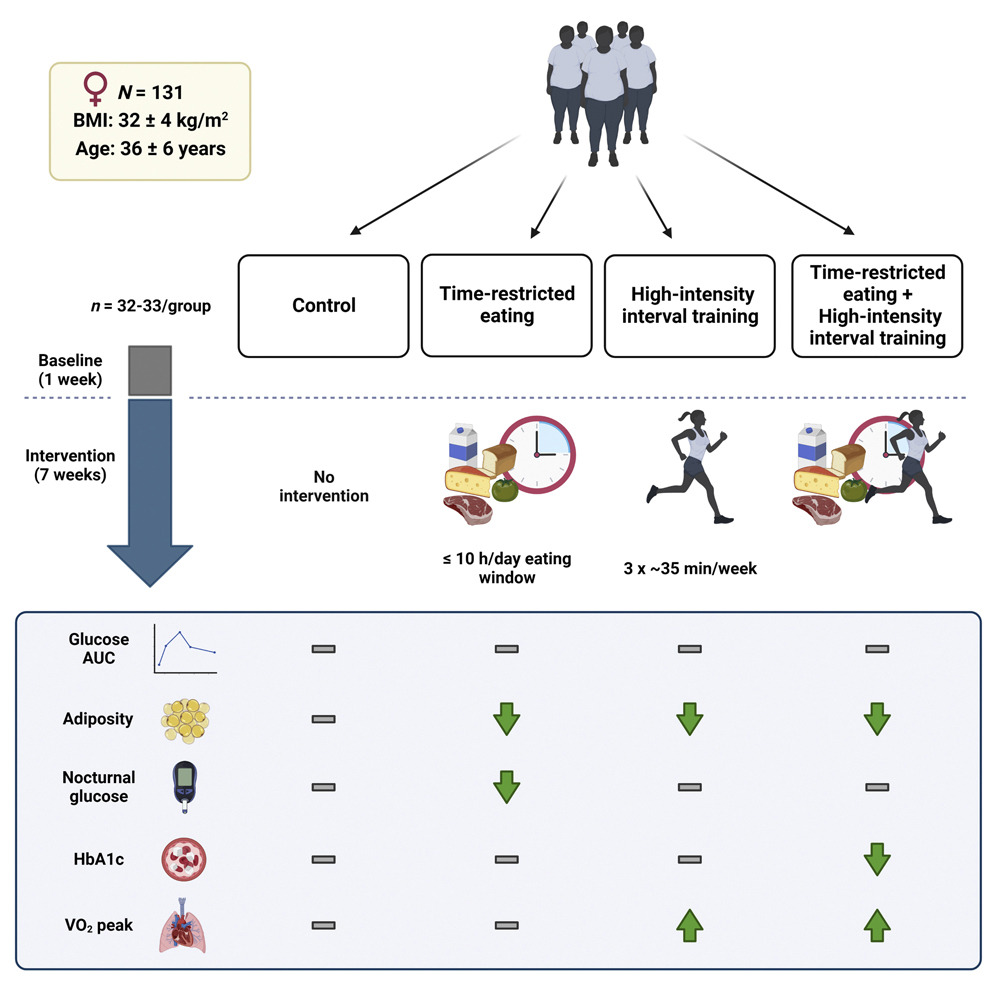
Scientists have shed new light on the effects that high-intensity interval training (HIIT) has on human skeletal muscle, according to a study in men published today in eLife.

The findings suggest that HIIT boosts the amount of proteins in skeletal muscle that are essential for energy metabolism and muscle contraction, and chemically alters key metabolic proteins. These results may explain the beneficial effects of HIIT on metabolism and pave the way for additional studies exploring how exercise impacts these processes.

“Exercising has many beneficial effects that can help prevent and treat metabolic diseases, and this is likely the result of changes in energy use by skeletal muscles...

Read More

T cell warriors need their R&R

T cell warriors need their R & R

T cells, biology textbooks teach us, are the soldiers of the immune system, constantly on the ready to respond to a variety of threats, from viruses to tumors. However, without rest and maintenance T cells can die and leave their hosts more susceptible to pathogens, Yale scientists report May 27 in the journal Science.

“We may have to change how we teach T cell biology,” said Lieping Chen, the United Technologies Corporation Professor in Cancer Research at Yale and professor of immunobiology, of dermatology, and of medicine and senior author of the study.

Until pathogens are detected, T cells remain in a quiescent state. However, the molecular mechanisms that keep T cells inactive were previously unknown.

In the new study, Yale researchers show that a protein known as CD8a — ...

Read More

New Vaccine Type Overcomes Cancerous Tumor Defenses

vaccine
Credit: Pixabay/CC0 Public Domain

A team of researchers affiliated with multiple institutions in the U.S. and one in Japan has developed a new type of vaccine that helps the immune system destroy cancerous tumors by overcoming their defense system. In their paper published in the journal Nature, the group describes the new vaccine and its effects in mouse and rhesus macaque models.

Until recently, the only tools available to doctors treating cancer patients have been chemotherapy, radiation treatment and surgery. More recently, medical researchers have been exploring vaccines in the fight against cancer—the development of a vaccine against HPV-related diseases, for example, has reduced the risks of cervical and other types of cancers...

Read More

Researchers find New Mechanism to turn on Cancer-killing T cells

Over the past decade, researchers have made great strides in the development and administration of cancer immunotherapies, which use the body’s own immune system to treat disease. However, the therapies don’t work for every person or with every type of cancer, and gaps in our understanding of exactly how the body mounts an anti-cancer immune response has slowed progress toward making them universally effective.

In a new study, researchers at the University of Chicago Medicine Comprehensive Cancer Center and the University of Amsterdam have brought insight into one crucial step in the anti-cancer immune response process: T cell priming.

Previous studies implied that a single mechanism—antigen cross presentation—is responsible for priming T cells, the immune system’s disease fight...

Read More