


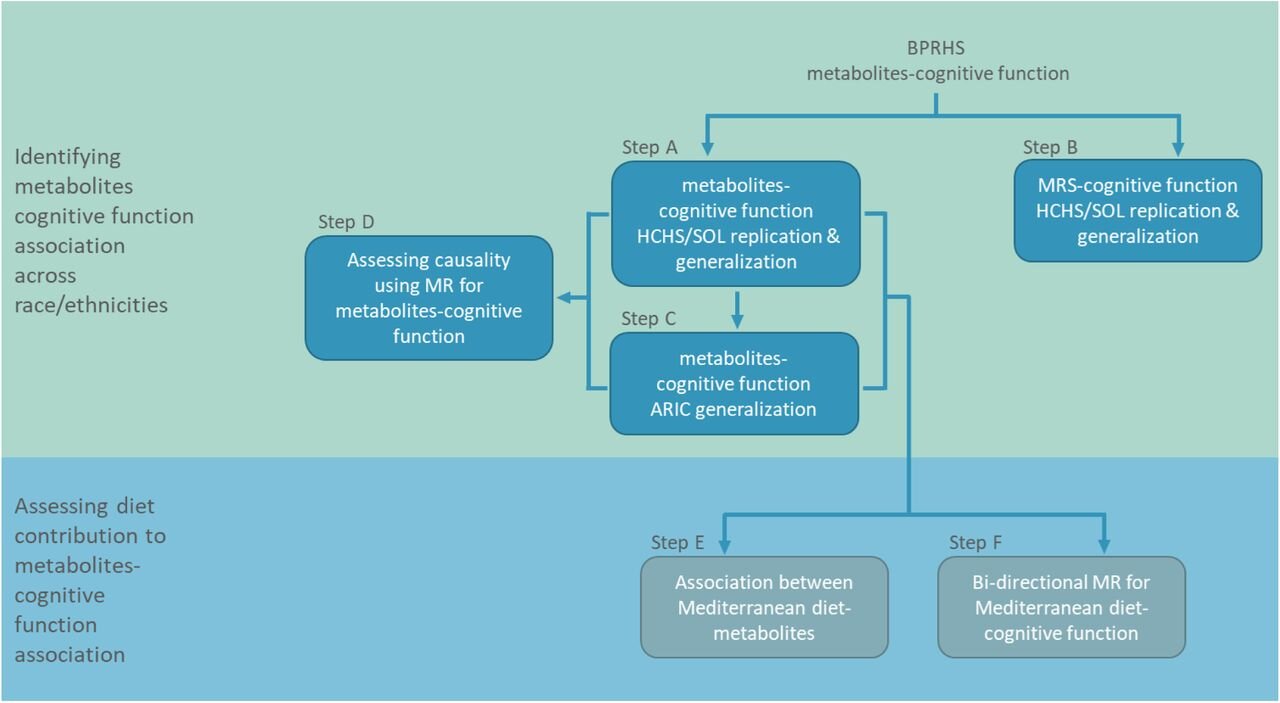
Category Biology/Biotechnology
Diet could play a role in Cognitive Function across Diverse Races and Ethnicities
September 19, 2022,
 Health/Medical, Biology/Biotechnology
A New Holographic Microscope allows Scientists to See Through the Skull and Image the Brain
September 19, 2022,
Health/Medical, Biology/Biotechnology
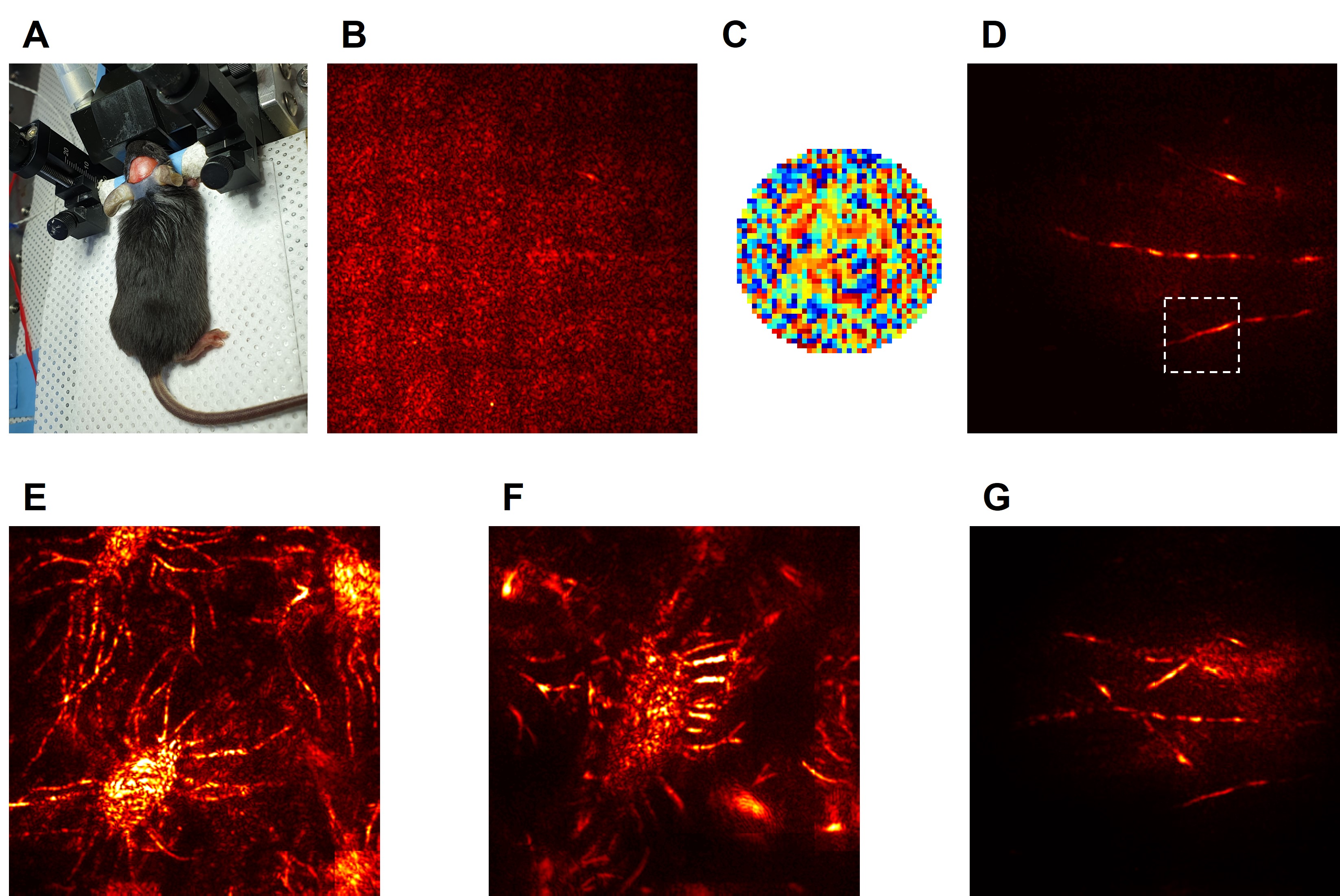
The new label-free deep-tissue imaging with the wave correction algorithm retrieves the fine neural network of the mouse brain with the intact skull by focusing the light and filtering out undesired multiple scattered light waves.
Researchers led by Associate Director CHOI Wonshik of the Center for Molecular Spectroscopy and Dynamics within the Institute for Basic Science, Professor KIM Moonseok of The Catholic University of Korea, and Professor CHOI Myunghwan of Seoul National University developed a new type of holographic microscope...
Read MoreDaily Multivitamin may Improve Cognition and Possibly Protect Against Decline, study suggests
September 16, 2022,
Health/Medical, Biology/Biotechnology
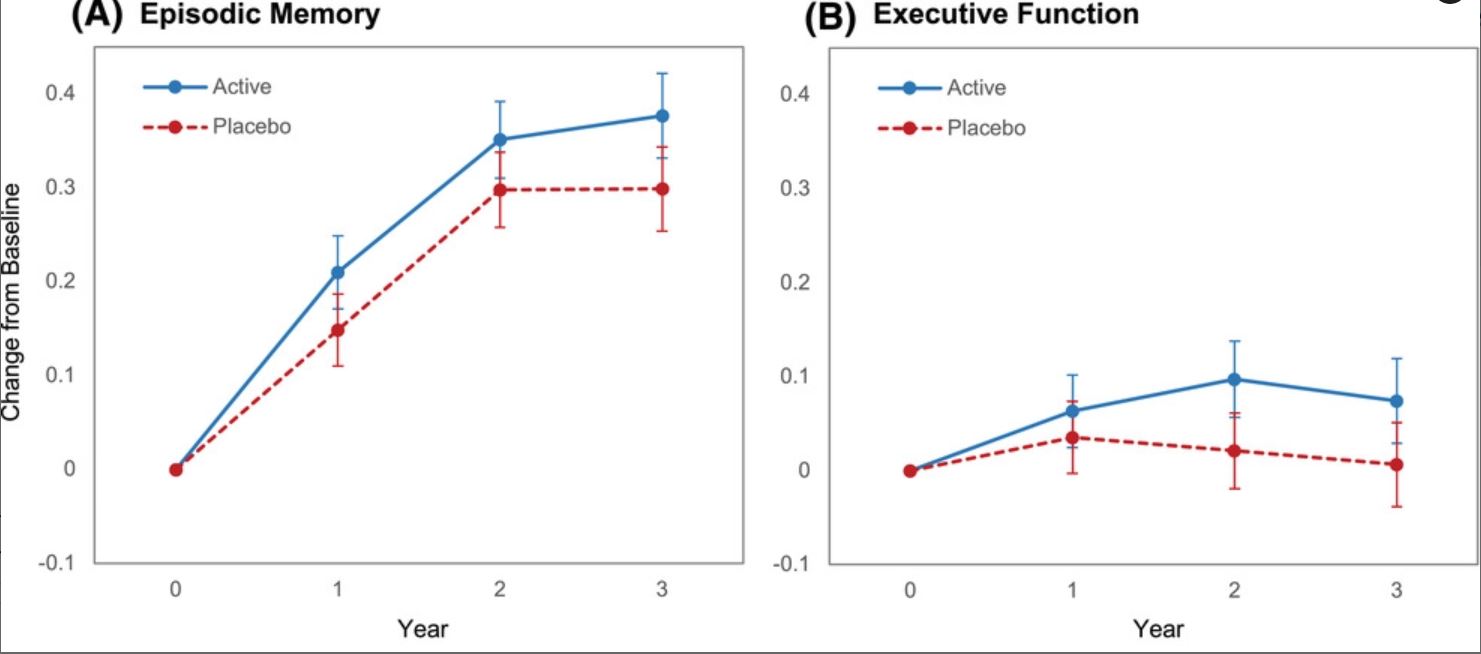
In the study, researchers estimated that three years of multivitamin supplementation roughly translated to a 60-percent slowing of cognitive decline (about 1.8 years).
Could taking a daily multivitamin help maintain cognitive health with aging and possibly prevent cognitive decline? According to new research from Wake Forest University School of Medicine, conducted in collaboration with Brigham and Women’s Hospital in Boston, taking a daily supplement may improve cognition in older adults, but additional studies are needed to confirm these findings before any hea...
Read MoreRisk Factor for developing Alzheimer’s Disease Increases by 50-80% in Older Adults who caught COVID-19
September 14, 2022,
Health/Medical, Biology/Biotechnology

Older people who were infected with COVID-19 show a substantially higher risk — as much as 50% to 80% higher than a control group — of developing Alzheimer’s disease within a year, according to a study of more than 6 million patients 65 and older.
In a study published today in the Journal of Alzheimer’s Disease, researchers report that people 65 and older who contracted COVID-19 were more prone to developing Alzheimer’s disease in the year following their COVID diagnosis. And the highest risk was observed in women at least 85 years old.
The findings showed that the risk for developing Alzheimer’s disease in older people nearly doubled (0.35% to 0.68%) over a one-year period following infection with COVID...
Read More
Recent Comments