Category Biology/Biotechnology

How the Gut Communicates with the Brain

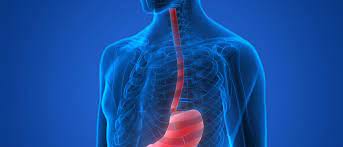
New research has discovered how the enteric nervous system — or ‘second brain’ — can communicate with both the brain and spinal cord, which up until now had remained a major mystery. The study found specialized cells within the gut wall release serotonin when stimulated by food, which then acts on the nerves to communicate with the brain. The authors say as there is a direct connection between serotonin levels in our body and depression and how we feel, understanding how the gut communicates with the brain is of major importance.

How the ‘second brain’ — the enteric nervous system in our gut — communicates with our first brain has been one of the most challenging questions faced by enteric neuroscientists, until now.

New research from Flinders University has discovered how speci...

Read More

Neuroscientists Identify Mechanism for Long Term Memory Storage

People working in Ted Abel’s lab in PBDB.

A University of Iowa neuroscience research team has identified a fundamental biochemical mechanism underlying memory storage and has linked this mechanism to cognitive deficits in mouse models of Alzheimer’s Disease and Related Dementias.

While working to understand how memories are formed and stored in the brain, the team identified a novel protein folding mechanism in the endoplasmic reticulum that is essential for long term memory storage. They further demonstrated that this mechanism is impaired in a tau-based mouse model of Alzheimer’s disease and that restoring this protein folding mechanism reverses memory impairment in this mouse model for the study of dementia...

Read More

Cryo-EM reveals how ‘911’ Molecule Helps Fix Damaged DNA

When something goes wrong during DNA replication, cells call their own version of 911 to pause the process and fix the problem—a failsafe that is critical to maintaining health and staving off disease.

Now, scientists at Van Andel Institute and The Rockefeller University have for the first time revealed how a key piece of this repair process—appropriately called the 911 DNA checkpoint clamp—is recruited to the site of DNA damage. The findings, published today in Nature Structural and Molecular Biology, illuminate new insights into the way cells ensure genetic instructions are properly passed from one generation of cells to the next. The project was led by the study’s co-corresponding authors Huilin Li, Ph.D., of VAI, and Michael E. O’Donnell, Ph.D...

Read More

How Sugar Promotes Inflammation

Expression of GLUT3 on activated T cells. GLUT3 (green) is localised on the cell surface, the mitochondria (violet) and the nucleus (blue) were also shown. Photo: AG Väth (Image: AG Väth)

People who consume sugar and other carbohydrates in excess over a long period of time have an increased risk of developing an autoimmune disease. In affected patients, the immune system attacks the body’s own tissue and the consequences are, for example, chronic inflammatory bowel diseases such as Crohn’s disease and ulcerative colitis, type 1 diabetes and chronic inflammation of the thyroid gland.

New targets for therapy

The underlying molecular mechanisms that promote autoimmune diseases are multilayered and complex...

Read More