Category Biology/Biotechnology

Hit the Sleep ‘Sweet Spot’ to keep Brain Sharp

Older adults who sleep short or long experienced greater cognitive decline than those who sleep a moderate amount, even when the effects of early Alzheimer’s disease were taken into account, according to a study by researchers at Washington University School of Medicine in St. Louis. Getty Images

Too little and too much sleep linked to cognitive decline. Like so many other good things in life, sleep is best in moderation. A multiyear study of older adults found that both short and long sleepers experienced greater cognitive decline than people who slept a moderate amount, even when the effects of early Alzheimer’s disease were taken into account. The study was led by researchers at Washington University School of Medicine in St. Louis.

Poor sleep and Alzheimer’s disease are both a...

Read More

Drug helps Sensory Neurons Regrow in the Mouse Central Nervous System

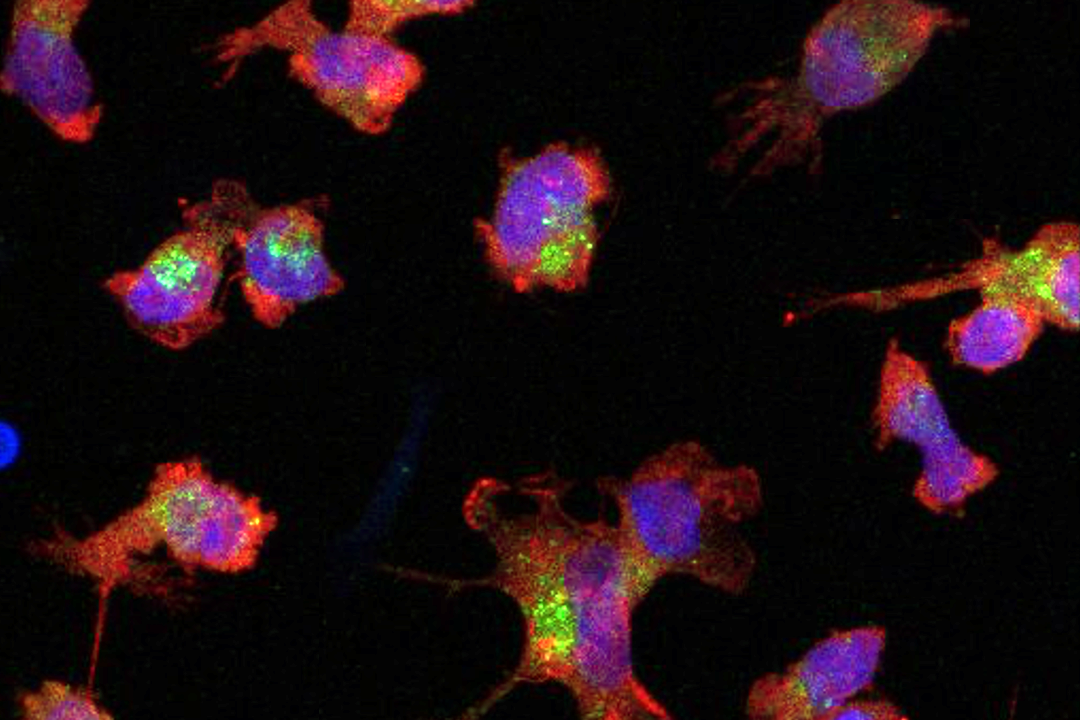
Sensory neurons regrow more after injury when treated with the drug fenofibrate (lower panel) than when given a placebo (top panel; arrows indicate site of injury). Researchers at Washington University School of Medicine in St. Louis have discovered that an FDA-approved drug acts on support cells in the central nervous system to encourage sensory neurons to regrow after injury. Credit: RUI FENG

Targeting support cells with cholesterol drug could improve recovery after spinal cord injury. Researchers have discovered that an FDA-approved drug acts on support cells in the CNS to encourage sensory neurons to regrow after injury.

A spinal cord injury damages the lines of communication between the body and brain, impeding the signals that drive movement and sensation...

Read More

Scientists gain new understanding of how Brain Cells Talk

-which could help in the Treatment of Mental Health conditions and Memory diseases

Experts from the University of Nottingham have discovered that reversing the modification of molecular messages at synapses in the human brain, may contribute to reversible mental health conditions such as anxiety, and memory diseases such as dementia.

The findings , published in Molecular Psychiatry, are a major step in our understanding how brain cells communicate, and could help to identify new treatments for neurological and psychiatric conditions.

The research was led by Dr Helen Miranda Knight in the School of Life Sciences at the University of Nottingham, along with researchers across the Schools of Medicine, Life Science, and Bioscience...

Read More

A New Treatment for Glaucoma?

Injection prevented severe pediatric form of disease in mice, could be used to treat adult glaucoma. A Northwestern Medicine study in mice has identified new treatment targets for glaucoma, including preventing a severe pediatric form of glaucoma, as well as uncovering a possible new class of therapy for the most common form of glaucoma in adults.

In people with high pressure glaucoma, fluid in the eye doesn’t properly drain and builds up pressure on the optic nerve, leading to vision loss. It affects 60 million people worldwide and is the most common cause of blindness in people over 60 years old.

While there are a few treatments available for open angle glaucoma, the most common form of glaucoma in adults (eye drops, oral medication, laser treatments), there are no cures, and ...

Read More