Category Biology/Biotechnology

How many people get ‘Long COVID’? More than Half, researchers find

More than half of the millions of people who have been diagnosed with COVID-19 worldwide since December 2019 will experience post-COVID symptoms up to six months after recovering, according to a study by Penn State College of Medicine researchers. 
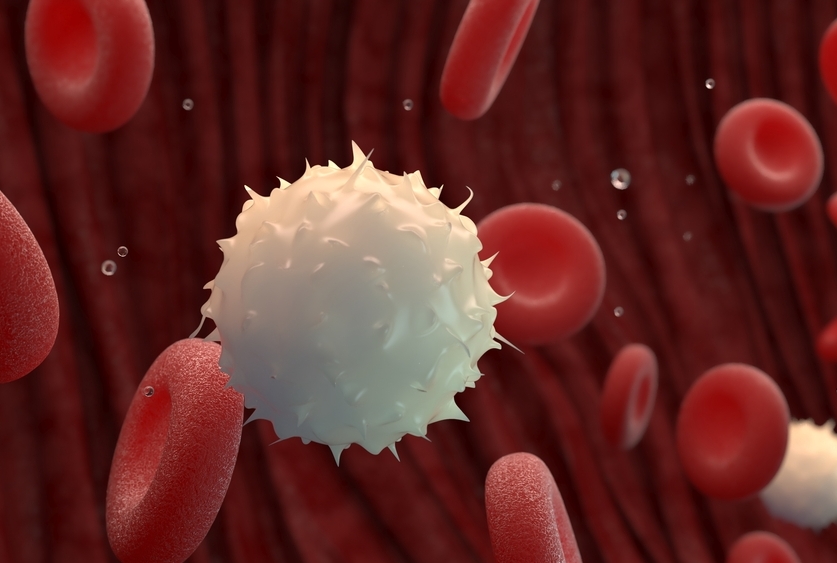
 IMAGE: GETTY IMAGES | ECLIPSE_IMAGES

Half of COVID survivors experience lingering symptoms six months after recovery. More than half of the 236 million people who have been diagnosed with COVID-19 worldwide since December 2019 will experience post-COVID symptoms — more commonly known as “long COVID” — up to six months after recovering, according to Penn State College of Medicine researchers...

Read More

Mushroom Consumption may Lower Risk of Depression

Two hands hold mushrooms that are ready to be prepared as part of a meal.
New research by Penn State College of Medicine shows that eating mushrooms may benefit a person’s mental health. 
 IMAGE: GETTY IMAGES | GINGAGI

Mushrooms have been making headlines due to their many health advantages. Not only do they lower one’s risk of cancer and premature death, but new research led by Penn State College of Medicine also reveals that these superfoods may benefit a person’s mental health.

Penn State researchers used data on diet and mental health collected from more than 24,000 U.S. adults between 2005 and 2016. They found that people who ate mushrooms had lower odds of having depression.

According to the researchers, mushrooms contain ergothioneine, an antioxidant that may protect against cell and tissue damage in the body...

Read More

Stem Cell Population identified that is Key for Bone Regeneration

image picture
Image by Praisaeng/Shutterstock

Researchers from the University of Tsukuba, in collaboration with the University of Bonn, Germany, identify a subpopulation of mesenchymal stem cells with enhanced fracture healing and differentiation abilities

Mesenchymal stem cells (MSCs) are thought to have great potential in the field of regenerative medicine, which has the aim of restoring damaged tissues. However, not much was known about in vivo plasticity of them — until now. Researchers have identified a subpopulation of MSCs that promote the healing of bone fractures and show an enhanced ability to differentiate into various cell types.

MSCs are found in bone marrow, and are “multipotent,” meaning that they can both renew themselves and develop into a variety of specialized cell types, such a...

Read More

Tiny Bubbles can be Future Treatment for Inflammation

Multimeric decoy receptor EV-sorting protein chimaera is functionalized on several EV subpopulations.

Scientists hope that tiny sacs of material excreted by cells — so-called extracellular vesicles — can be used to deliver drugs inside the body. Researchers at Karolinska Institutet now show that these nanobubbles can transport protein drugs that reduce inflammation caused by different diseases. The technique, which is presented in Nature Biomedical Engineering, shows promising results in animal models.

Extracellular vesicles (EVs) are important in inter-cellular communication as carriers of biological signals. They are nanometre-sized membrane-coated packages excreted by cells that can deliver fatty acids, proteins and genetic material to different tissues.

The tiny bubbles are f...

Read More