Category Biology/Biotechnology

The Brain’s Secret to Life-Long Learning can now come as Hardware for Artificial Intelligence

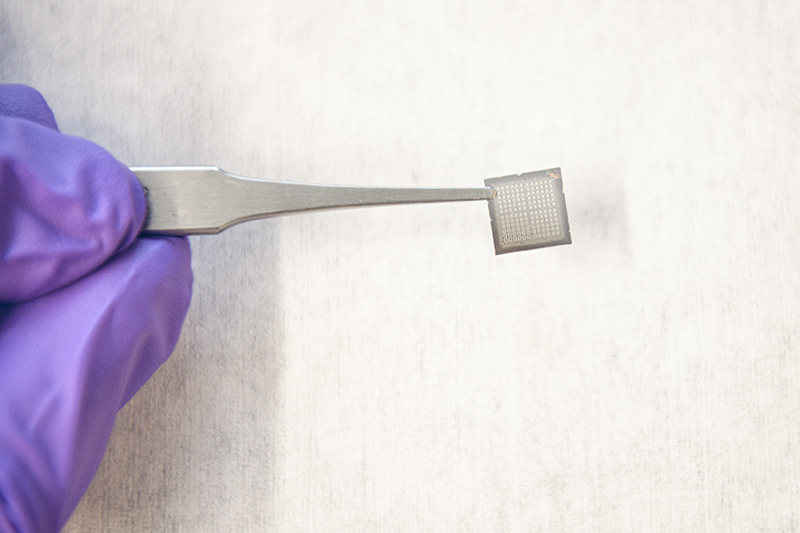
An electronic chip that can be reprogrammed on demand may enable artificial intelligence to learn more continuously like the human brain does, researchers have discovered. (Purdue University photo/Rebecca McElhoe)

When the human brain learns something new, it adapts. But when artificial intelligence learns something new, it tends to forget information it already learned.

As companies use more and more data to improve how AI recognizes images, learns languages and carries out other complex tasks, a paper publishing in Science this week shows a way that computer chips could dynamically rewire themselves to take in new data like the brain does, helping AI to keep learning over time.

“The brains of living beings can continuously learn throughout their lifespan...

Read More
Scientists unveil Promising New Approach to Diabetes Prevention

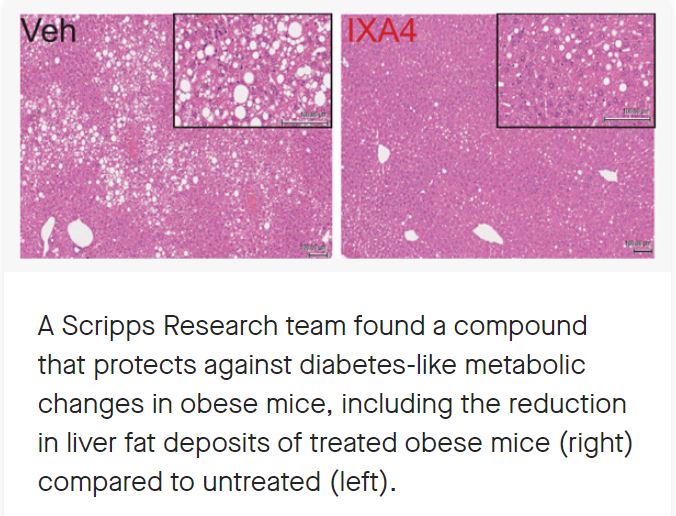
A team of scientists from Scripps Research has conducted promising early tests of a new strategy that might one day be used to prevent or treat type 2 diabetes.

The scientists, whose results are reported in Nature Communications, tested an experimental compound called IXA4 in obese mice. They showed that the compound activates a natural signaling pathway that protects the animals from harmful, obesity-driven metabolic changes that would normally lead to diabetes.

“We were able to activate this pathway in both the liver and the pancreas with this one compound, and that added up to a significant overall improvement in metabolic health of obese animals,” says Scripps Research’s Luke Wiseman, Ph.D.

“This is the first time anyone has shown that a small molecule activating this pat...

Read More

Compound in the Herb Rosemary may be useful against COVID-19 and other Inflammatory Diseases

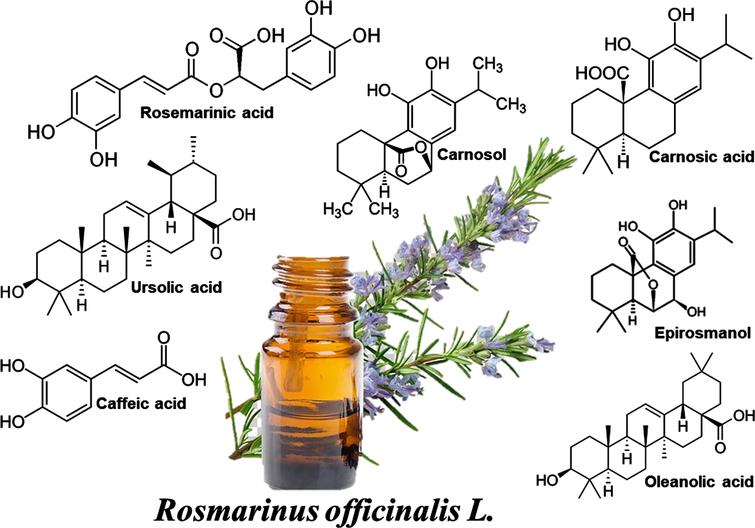
The chemical structures of the ingredients of Rosemary extract.

A team co-led by scientists at Scripps Research has found evidence that a compound contained in the medicinal and culinary herb rosemary could be a two-pronged weapon against the SARS-CoV-2 coronavirus that causes COVID-19.

The scientists, in experiments described in a paper published January 6, 2022 in the journal Antioxidants, found that the compound, carnosic acid, can block the interaction between the SARS-CoV-2 outer “spike” protein and the receptor protein, ACE2, which the virus uses to gain entry to cells.

The team also presented evidence, and reviewed evidence from prior studies, that carnosic acid has a separate effect in inhibiting a powerful inflammatory pathway—a pathway that is active in severe COVID-19 ...

Read More

Researchers identify Key Regulator of Blood Stem Cell Development

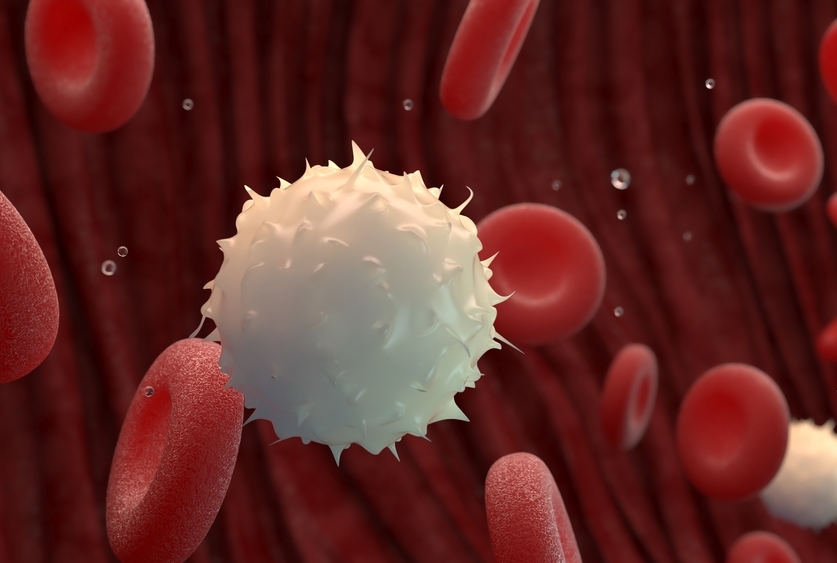
Illustration of red and white blood cells. Credit: Shutterstock

A protein that masterminds the way DNA is wrapped within chromosomes has a major role in the healthy functioning of blood stem cells, which produce all blood cells in the body, according to a new study from researchers at Weill Cornell Medicine.

The protein, known as histone H3.3, organizes the spool-like structures around which DNA is wrapped in plants, animals and most other organisms. Histones enable DNA to be tightly compacted, and serve as platforms for small chemical modifications – known as epigenetic modifications – that can loosen or tighten the wrapped DNA to control local gene activity.

The study, which appeared Dec. 27 in Nature Cell Biology, examined H3...

Read More