


- Undergraduate student may have solved puzzle regarding isolated galaxies that have stopped producing stars
- Levitating glass sphere becomes entangled with light at room temperature
- Alcohol in space: Exotic methanol discovered in planet-building zones
- Scientists may have found a “unifying theory” of chronic fatigue
Category Biology/Biotechnology
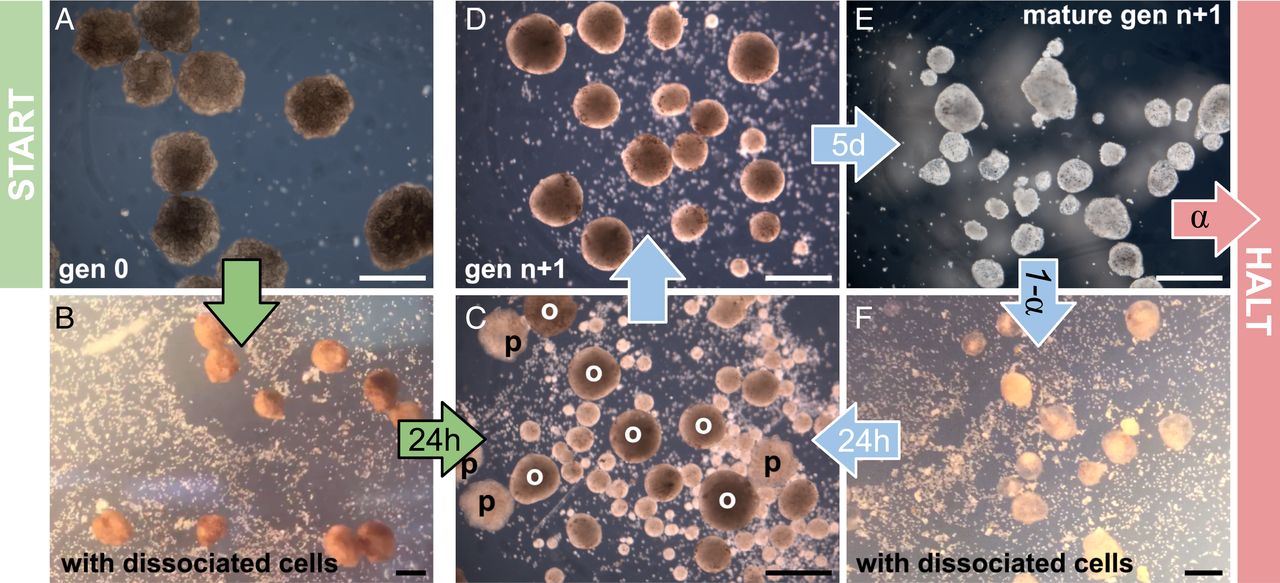
Team builds First Living Robots that can Reproduce
December 1, 2021,
 Health/Medical, Biology/Biotechnology
Deleting Dysfunctional Cells Alleviates Diabetes
November 30, 2021,
Health/Medical, Biology/Biotechnology
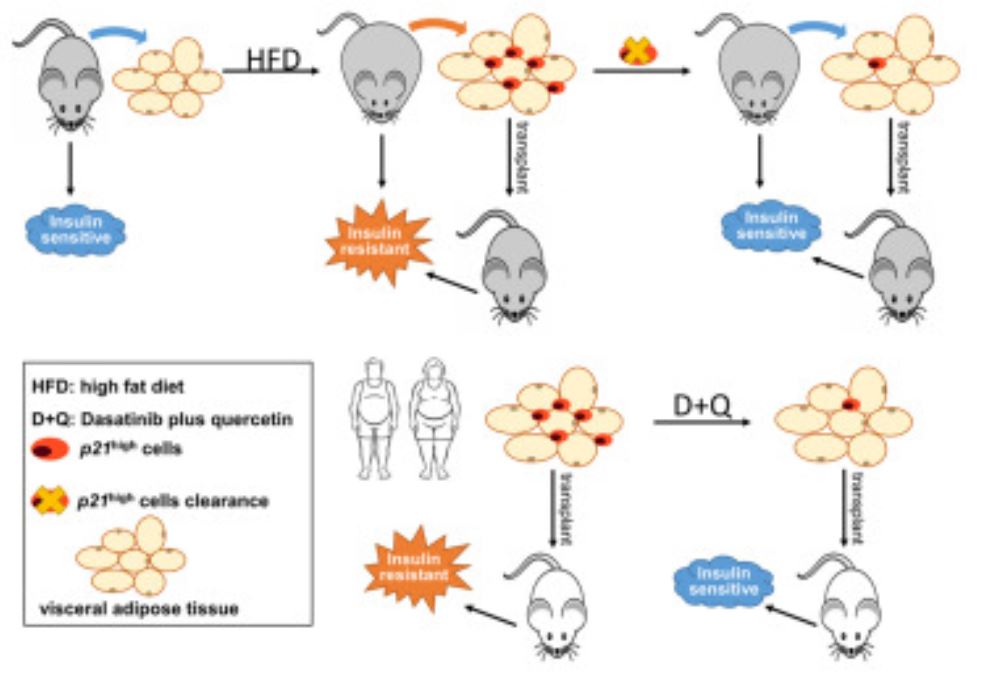
The discovery could lead to game-changing new treatments for metabolic diseases. Eliminating old, dysfunctional cells in human fat also alleviates signs of diabetes, researchers from UConn Health report. The discovery could lead to new treatments for Type 2 diabetes and other metabolic diseases.
The cells in your body are constantly renewing themselves, with older cells aging and dying as new ones are being born. But sometimes that process goes awry. Occasionally damaged cells linger. Called senescent cells, they hang around, acting as a bad influence on other cells nearby...
Read MoreBiologists reveal how Obesity Damages the Skeletal Muscle Metabolism
November 29, 2021,
Biology/Biotechnology, Health/Medical
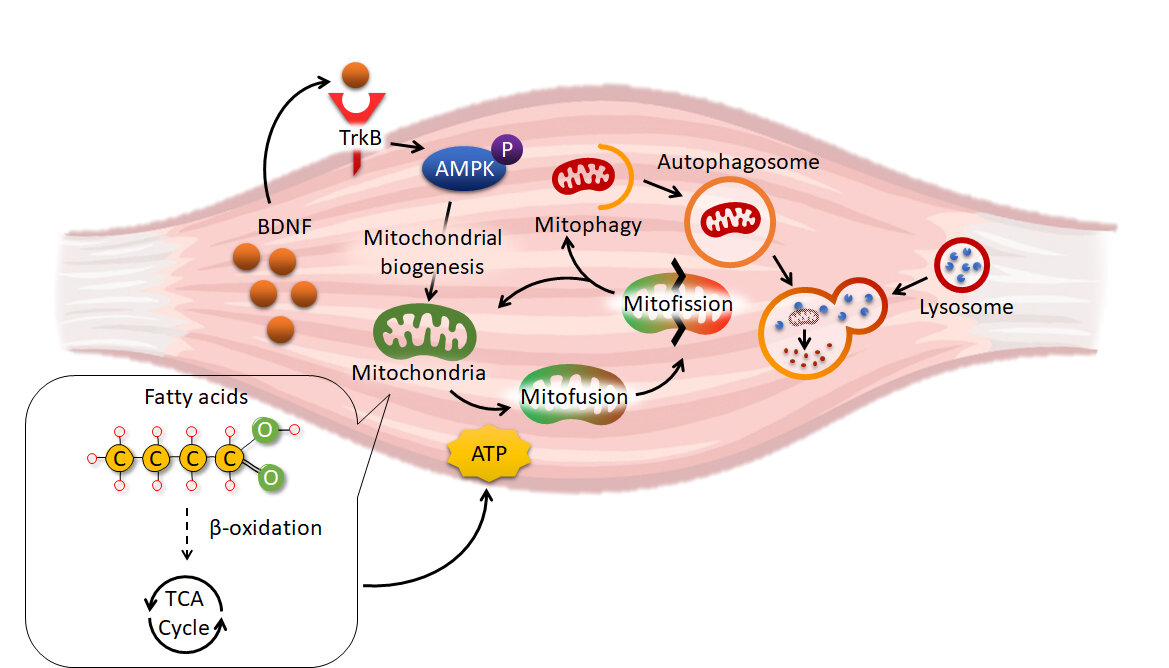
A decline in metabolism and endurance of skeletal muscle is commonly observed in obese patients, but the underlying mechanism is not well-understood. A research team led by Dr. Chi Bun Chan, Assistant Professor from School of Biological Sciences, Faculty of Science, the University of Hong Kong (HKU), uncovers a new mechanism to explain how obesity jeopardizes the functions of skeletal muscle and provides a potential treatment against the disease. The research findings have recently been published in the journal Autophagy.
Obesity is a metabolic disorder with increasing prevalence in modern society...
Read MoreQuantum Brain Sensors could be crucial in Spotting Dementia after scientists find they can Track Brain Waves
November 26, 2021,
Physics, Health/Medical, Biology/Biotechnology
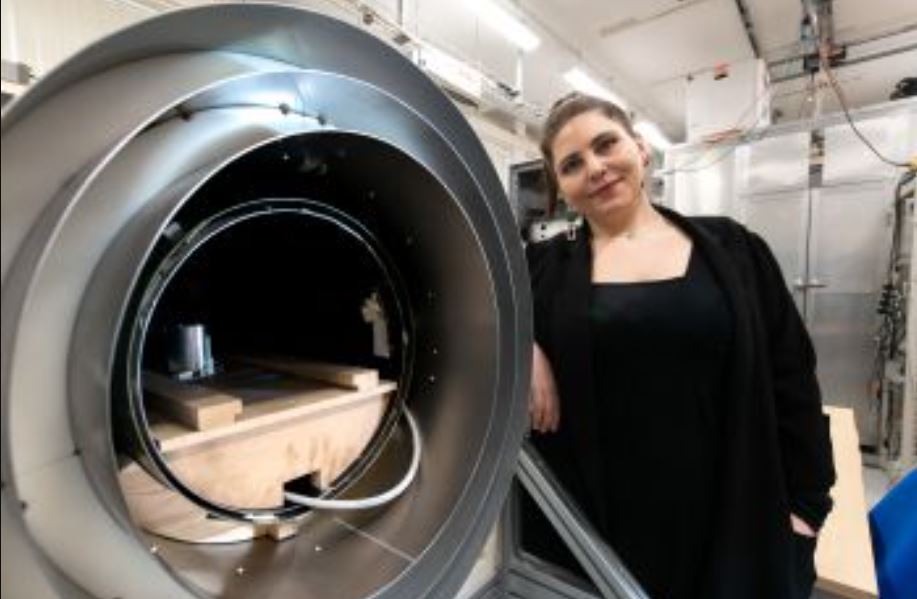
New highly sensitive quantum sensors for the brain may in the future be able to identify brain diseases such as dementia, ALS and Parkinson’s, by spotting a slowing in the speed at which signals travel across the brain. The research findings from a paper led by University of Sussex quantum physicists are published in Scientific Reports journal.
The quantum scanners being developed by the scientists can detect the magnetic fields generated when neurons fire. Measuring moment-to-moment changes in the brain, they track the speed at which signals move across the brain...
Read More
Recent Comments