Category Biology/Biotechnology

People who eat a Healthy Diet including Whole Fruits may be Less likely to develop Diabetes

People who eat a healthy diet including whole fruits may be less likely to develop  diabetes

Research links fruit but not fruit juice to lower type 2 diabetes risk. A new study finds people who consume two servings of fruit per day have 36 percent lower odds of developing type 2 diabetes than those who consume less than half a serving. The research was published in the Endocrine Society’s Journal of Clinical Endocrinology & Metabolism.

Diabetes is a disease where people have too much sugar in their bloodstream, and it is a huge public health burden. Approximately 463 million adults worldwide were living with diabetes in 2019, and by 2045 this number is expected to rise to 700 million. An estimated 374 million people are at increased risk of developing type 2 diabetes, the most common form of the disease...

Read More

Changing the Shape of Soft Matter using Logic Circuits made from DNA

Changing the shape of soft matter using logic circuits made from DNA
Credit: Angewandte Chemie International Edition (2021). DOI: 10.1002/anie.202102169

The myriad processes occurring in biological cells may seem unbelievably complex at first glance. And yet, in principle, they are merely a logical succession of events, and could even be used to form digital circuits. Researchers have now developed a molecular switching circuit made of DNA, which can be used to mechanically alter gels, depending on the pH. DNA-based switching circuits could have applications in soft robotics, say the researchers in their article in Angewandte Chemie.

DNA is a long molecule that can be folded and twisted in various ways. It has a backbone and bases that stick out from the backbone and pair up with counterparts in other DNA strands...

Read More

‘Electronic Nose’ accurately Sniffs out Hard-to-Detect Cancers

Stock image. The non-invasive tool could screen for hard-to-detect cancers (Credit: Shutterstock)

Odor test spotted cancer with up to 95 percent accuracy. An odor-based test that sniffs out vapors emanating from blood samples was able to distinguish between benign and pancreatic and ovarian cancer cells with up to 95 percent accuracy, according to a new study from researchers at the University of Pennsylvania and Penn’s Perelman School of Medicine.

The findings suggest that the Penn-developed tool — which uses artificial intelligence and machine learning to decipher the mixture of volatile organic compounds (VOCs) emitting off cells in blood plasma samples — could serve as a non-invasive approach to screen for harder-to-detect cancers, such as pancreatic and ovarian.

The results ...

Read More

‘Good’ Bacteria Show Promise for Clinical Treatment of Crohn’s Disease, Ulcerative Colitis

Good' bacteria show promise for clinical treatment of Crohn's disease, ulcerative  colitis
Credit: CC0 Public Domain

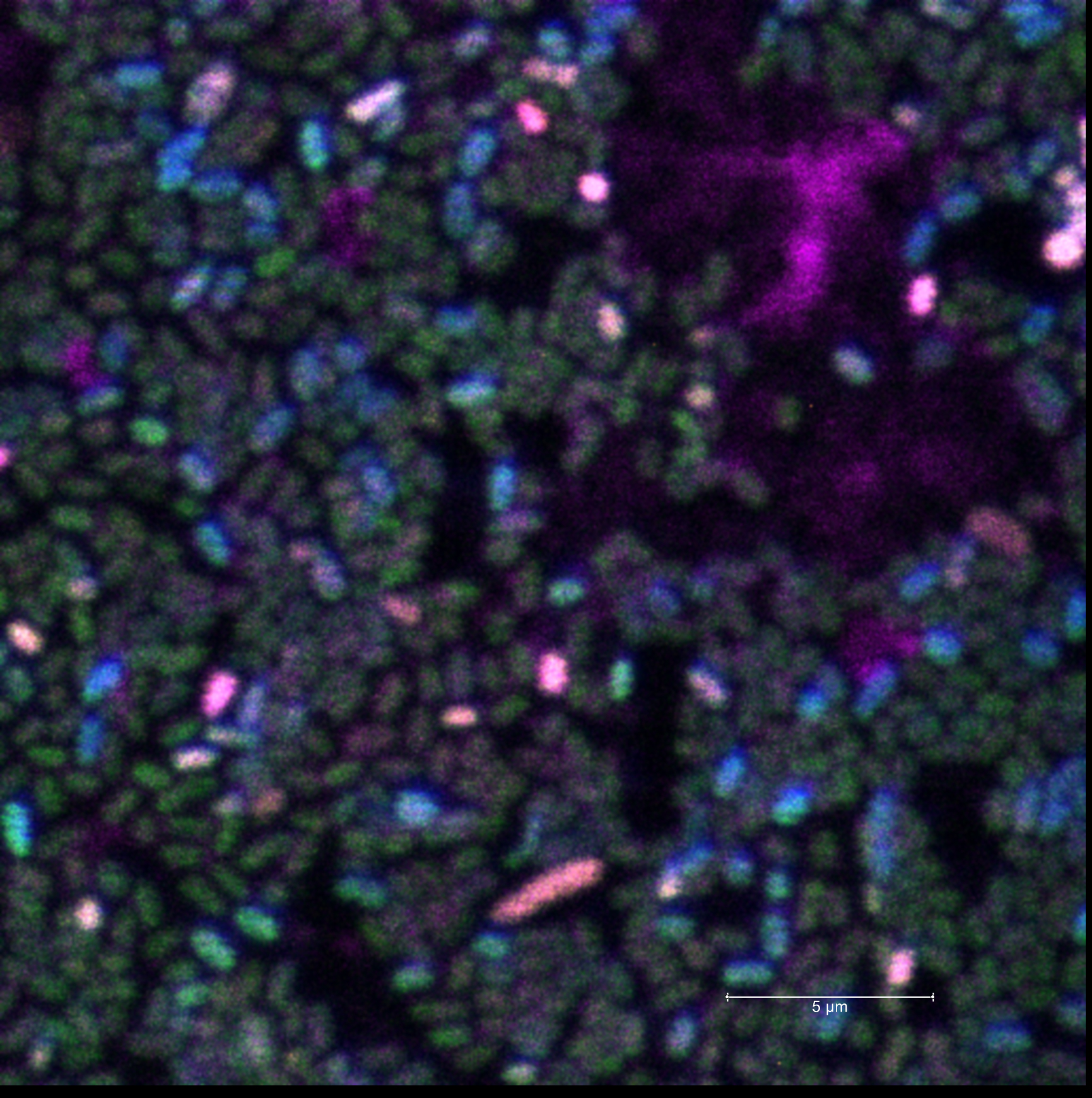
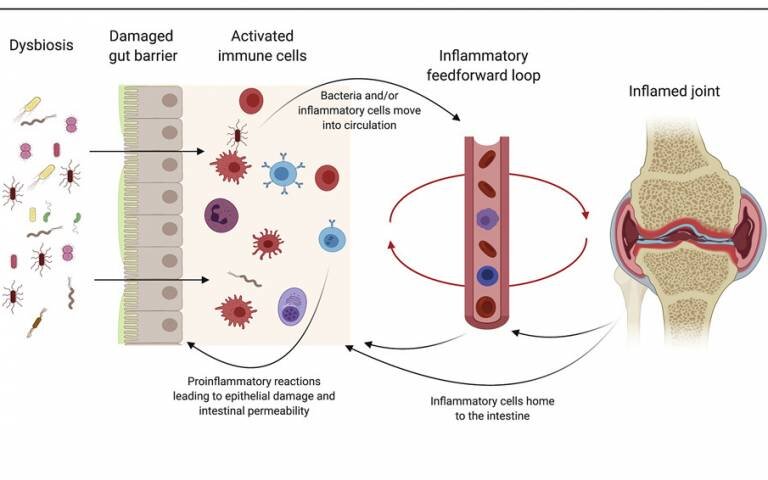
A new study published in Nature Communications demonstrates that a consortium of bacteria designed to complement missing or underrepresented functions in the imbalanced microbiome of inflammatory bowel disease (IBD) patients, prevented and treated chronic immune-mediated colitis in humanized mouse models. The study’s senior author, Balfour Sartor, MD, Midget Distinguished Professor of Medicine, Microbiology and Immunology, Co-Director of the UNC Multidisciplinary IBD Center, said the results are encouraging for future use treating Crohn’s disease and ulcerative colitis patients.

“The idea with this treatment is to restore the normal function of the protective bacteria in the gut, targeting the source of IBD, instead of treating its symptoms with traditional...

Read More