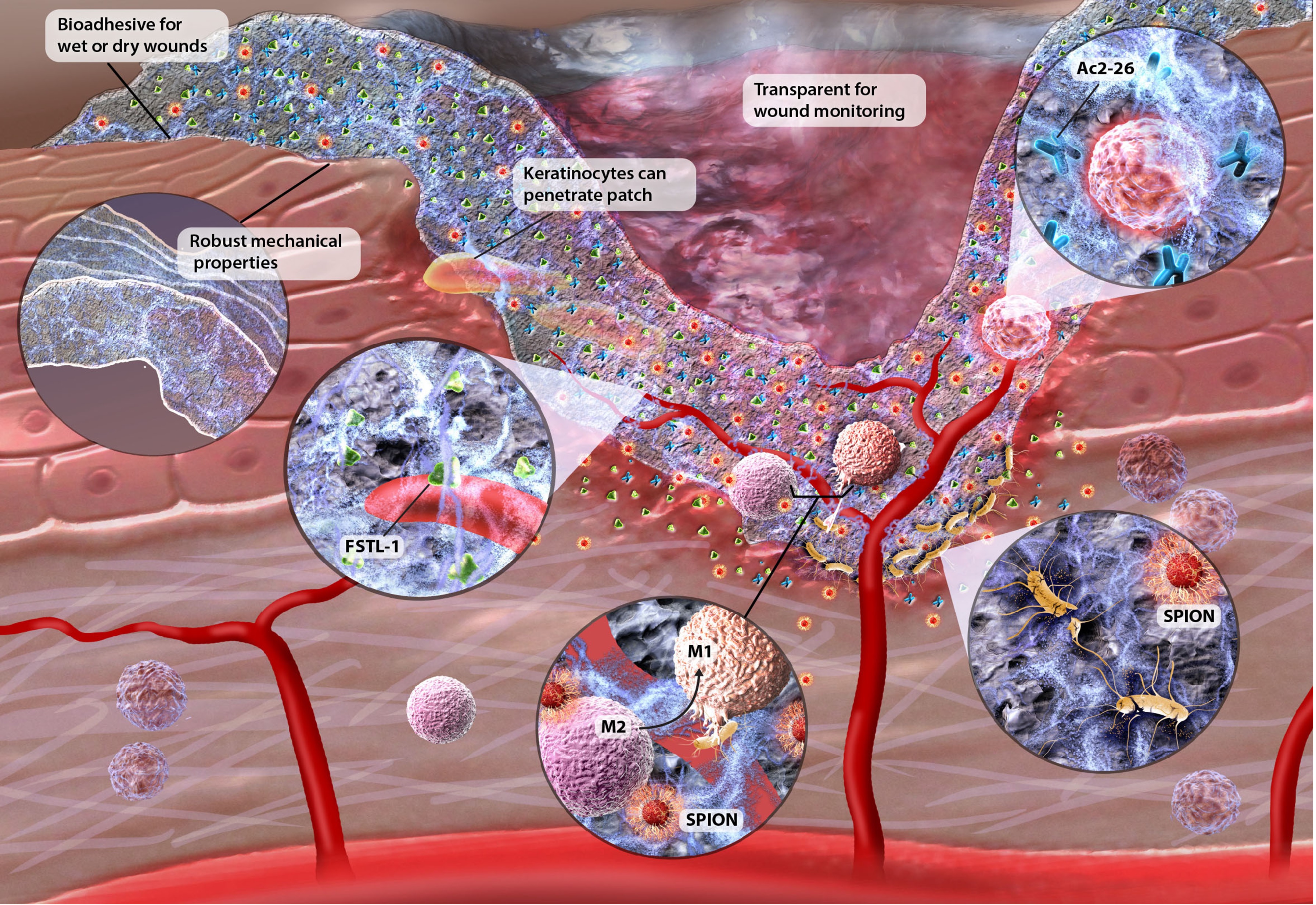
The microMESH has the shape of a micrometric polymeric net, it is made with biodegradable materials and wraps around the tumor mass. Its structure consists of two separate compartments in which different drugs can be loaded which are released towards the tumor mass in an independent, precise, and prolonged fashion. The microMESH can ‘attack’ glioblastoma by combining different therapies: chemotherapy, nanomedicine, and immunotherapy. CREDIT D. Beghetto/IIT
A micro-sized polymeric net wrapping around brain tumors, just like a fishing net around a shoal of fish: this is microMESH, a new nanomedicine device capable of conforming around the surface of tumor masses and efficiently delivering drugs...
Treating people with Type 2 diabetes with a new once-a-week injectable insulin therapy proved to be safe and as effective as daily insulin injections, according to the results of two international clinical trials published online today in Diabetes Care. The studies suggest that the once-weekly treatment could provide a convenient alternative to the burden of daily insulin shots for diabetes patients.
Starting and maintaining insulin treatment remain a challenge for millions of patients worldwide with Type 2 diabetes. Fear of injections and the inconvenience and burden of injectable therapy contribute to the barriers against insulin therapy initiation and adherence...
When the brain’s synapses are activated, they set off a signaling cascade that results in the expression of long noncoding RNA called “ADEPTR.” The RNA is quickly transported along dendrites to synapses, where it acts on proteins involved in remodeling. (Image courtesy of Jenna Wingfield and Yibo Zhao of the Puthanveettil lab at Scripps Research)
Making memories involves more than seeing friends or taking photos. The brain constantly adapts to new information and stores memories by building connections among neurons, called synapses. How neurons do this — reaching out arm-like dendrites to communicate with other neurons — requires a ballet of genes, signaling molecules, cellular scaffolding and protein-building machinery.
A new study from scientists at Scripps Research and the Max P...
The graphic shows the peptide nanofiber bearing complement protein C3dg (blue) and key components of the TNF protein, which include B-cell epitopes (green), and T-cell epitopes (purple). Credit: Chelsea Fries
Nanomaterials strategically activate the immune system to fight inflammation as effectively as current standard therapeutics
Biomedical engineers at Duke University have developed a self-assembling nanomaterial that can help limit damage caused by inflammatory diseases by activating key cells in the immune system. In mouse models of psoriasis, the nanofiber-based drug has been shown to mitigate damaging inflammation as effectively as a gold-standard therapy.
One of the hallmarks of inflammatory diseases, like rheumatoid arthritis, Crohn’s disease and psoriasis, is the overpr...
Recent Comments