Category Biology/Biotechnology

Radical Diagnostic could Save Millions of people at Risk of dying from Blood Loss

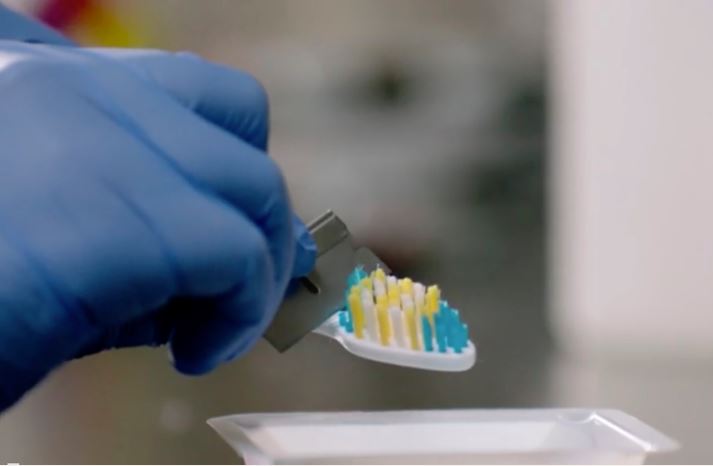
Engineers at Monash University have developed a diagnostic that can help deliver urgent treatment to people at risk of dying from rapid blood loss.

Engineers at Monash University in Australia have developed a fast, portable and cheap diagnostic that can help deliver urgent treatment to people at risk of dying from rapid blood loss.

In a world-first outcome that could save more than two million lives globally each year, researchers have developed a diagnostic using a glass slide, Teflon film and a piece of paper that can test for levels of fibrinogen concentration in blood in less than four minutes.

Fibrinogen is a protein found in blood that is needed for clotting...

Read More

How Allergens Trigger Itching: Finding points to new targets for allergy drug development

Figure thumbnail fx1
Substance P Release by Sensory Neurons Triggers Dendritic Cell Migration and Initiates the Type-2 Immune Response to AllergensImmunity, 2020; DOI: 10.1016/j.immuni.2020.10.001

A key step in the immune system’s response to allergens has been uncovered by researchers at Massachusetts General Hospital (MGH). They have shown that a neuropeptide called Substance P is released by certain neurons in the skin when they detect allergens, and that this substance is essential in the development of allergen-induced immune responses. This research could lead to the development of new and better methods to treat and prevent allergies.

How allergens are detected by the immune system had not been known...

Read More

Cancer-fighting Gene Restrains ‘Jumping Genes’

Retrotransposons are “handcuffed” by the tumor suppressor gene
This illustration depicts how retrotransposons are “handcuffed” by the tumor suppressor gene p53. But when p53 is lost, these mobile elements can erupt. Credit: Study authors Amanda Jones and Bhavana Tiwari. Artwork by Angela Diehl.

Finding sheds light on why mutations of the gene p53 are associated with cancer and could lead to new diagnostics or treatments
About half of all tumors have mutations of the gene p53, normally responsible for warding off cancer. Now, UT Southwestern scientists have discovered a new role for p53 in its fight against tumors: preventing retrotransposons, or “jumping genes,” from hopping around the human genome. In cells with missing or mutated p53, the team found, retrotransposons move and multiply more than usual...

Read More

Positive Outlook Predicts Less Memory Decline

Hittner, E. F., Stephens, J. E., Turiano, N. A., Gerstorf, D., Lachman, M. E., & Haase, C. M. (2020). Positive affect is associated with less memory decline: Evidence from a 9-year longitudinal study. Psychological Science. Advance online publication. https//doi.org/10.1177/0956797620953883

A new study published in the journal Psychological Science found that people who feel enthusiastic and cheerful — what psychologists call “positive affect” — are less likely to experience memory decline as they age. This result adds to a growing body of research on positive affect’s role in healthy aging.

A team of researchers analyzed data from 991 middle-aged and older U.S...

Read More