Category Biology/Biotechnology

Synthetic Compound could serve as Prototype for Novel Class of Drugs to Treat Neurological Damage

CPTX (orange) combines functional domains present in synaptic organizing proteins in a unique way. The compound was designed to act as a universal buridge builder for excitatory connections between nerve cells. Source: DZNE/Alexander Dityatev

Researchers from the German Center for Neurodegenerative Diseases (DZNE), UK and Japan have developed a neurologically acting protein and tested it in laboratory studies. In mice, the experimental compound ameliorated symptoms of certain neurological injuries and diseases, while on the microscopic level it was able to establish and repair connections between neurons. This proof-of-principle study suggests that biologics, which act on neuronal connectivity, could be of clinical use in the long term. The results are published in the journal Science.

Read More

How Vitamin C could help over 50s retain Muscle Mass

Foods containing vitamin C

New University of East Anglia (UEA) research shows that vitamin C could help over 50s retain muscle mass in later life. The study shows that older people who eat plenty of vitamin C – commonly found in citrus fruits, berries and vegetables – have the best skeletal muscle mass.

This is important because people tend to lose skeletal muscle mass as they get older — leading to sarcopenia (a condition characterised by loss of skeletal muscle mass and function), frailty and reduced quality of life.

Lead researcher Prof Ailsa Welch, from UEA’s Norwich Medical School said: “As people age, they lose skeletal muscle mass and strength.

“People over 50 lose up to one per cent of their skeletal muscle mass each year, and this loss is thought to affect more than 50 million people worldwide.”

“It’s a...

Read More

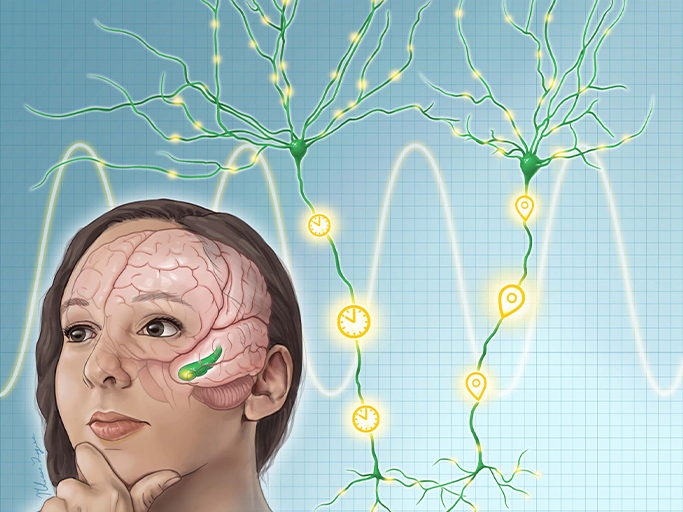
Got Fatigue? Study further Pinpoints Brain Regions that may Control it

Credit: Getty Images

Scientists at Johns Hopkins Medicine using MRI scans and computer modeling say they have further pinpointed areas of the human brain that regulate efforts to deal with fatigue.

The findings, they say, could advance the development of behavioral and other strategies that increase physical performance in healthy people, and also illuminate the neural mechanisms that contribute to fatigue in people with depression, multiple sclerosis and stroke.
Results of the research were published online Aug. 12 in Nature Communications.

“We know the physiologic processes involved in fatigue, such as lactic acid build-up in muscles, but we know far less about how feelings of fatigue are processed in the brain and how our brain decides how much and what kind of effort to make t...

Read More

Pigs grow new Liver in Lymph Nodes, study shows

Development of Ectopic Livers by Hepatocyte Transplantation into Swine Lymph Nodes. Liver Transplantation, 2020 DOI: 10.1002/lt.25872

Hepatocytes — the chief functional cells of the liver — are natural regenerators, and the lymph nodes serve as a nurturing place where they can multiply. In a new study published online and appearing in a coming issue of the journal Liver Transplantation, researchers at the University of Pittsburgh School of Medicine showed that large animals with ailing livers can grow a new organ in their lymph nodes from their own hepatocytes. A human clinical trial is next.

“It’s all about location, location, location,” said senior author Eric Lagasse, Pharm.D., Ph.D...

Read More