Category Biology/Biotechnology

Common Food Additive may Weaken Defenses Against Influenza

Credit: CC0 Public Domain

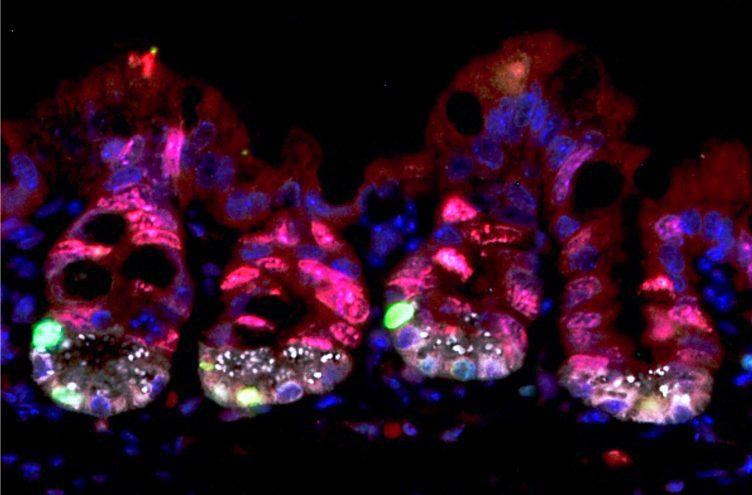
Research conducted in mice suggests the food additive tert-butylhydroquinone (tBHQ)—found in many common products from frozen meat to crackers and fried foods—suppresses the immune response the body mounts when fighting the flu. In addition to increasing the severity of flu symptoms, the study found evidence that tBHQ exposure could reduce the effectiveness of the flu vaccine through its effects on T cells, a vital component of the immune system.

Researchers say the connection may help explain why seasonal influenza continues to pose a major health threat worldwide. An estimated 290,000-650,000 people globally die from flu-related respiratory problems each year.

“Our studies showed that mice on a tBHQ diet had a weakened immune response to influenz...

Read More

Just 20 minutes of Contact with Nature will Lower Stress Hormone levels, reveals new study

A pleasant walk in the woods, a ‘nature pill,’ measurably reduces stress hormone levels.
Credit: © robsonphoto / Fotolia

Taking at least twenty minutes out of your day to stroll or sit in a place that makes you feel in contact with nature will significantly lower your stress hormone levels. That’s the finding of a study that has established for the first time the most effective dose of an urban nature experience. Healthcare practitioners can use this discovery, published in Frontiers in Psychology, to prescribe ‘nature-pills’ in the knowledge that they have a real measurable effect.

“We know that spending time in nature reduces stress, but until now it was unclear how much is enough, how often to do it, or even what kind of nature experience will benefit us,” says Dr...

Read More

Scientists Decipher 3D structure of a Promising Molecular Target for Cancer Treatment

The 3D structure of human ATP-citrate lyase, a metabolic enzyme that plays a key role in cancer cell proliferation and other processes.
Credit: Nimbus Therapeutics; Liang Tong, Columbia University, Nature

Discovery could be a major step in developing therapies for cancer, controlling cholesterol. Columbia University scientists, in collaboration with researchers from Nimbus Therapeutics, have demystified a metabolic enzyme that could be the next major molecular target in cancer treatment.

The team has successfully determined the 3D structure of human ATP-citrate lyase (ACLY) – which plays a key role in cancer cell proliferation and other cellular processes – for the first time...

Read More

‘Molecular Surgery’ Reshapes Living Tissue with Electricity but no Incisions

A new noninvasive process can alter the curve of a cornea from that seen in blue in a) to the new position seen in red in b) to fix vision problems.
Credit: Rachel Qu, Anna Stokolosa, Charlotte Cullip

Traditional surgery to reshape a nose or ear entails cutting and suturing, sometimes followed by long recovery times and scars. But now, researchers have developed a “molecular surgery” process that uses tiny needles, electric current and 3D-printed molds to quickly reshape living tissue with no incisions, scarring or recovery time. The technique even shows promise as a way to fix immobile joints or as a noninvasive alternative to laser eye surgery.

“We envision this new technique as a low-cost office procedure done under local anesthesia,” says Michael Hill, Ph.D...

Read More