Category Biology/Biotechnology

Scale of how chronic fatigue syndrome affects patients’ blood shown for first time

Scale of how myalgic encephalomyelitis/chronic fatigue syndrome affects patients' blood shown for first time
Study design and overview of results. Credit: EMBO Molecular Medicine (2025). DOI: 10.1038/s44321-025-00258-8

People with ME/CFS (myalgic encephalomyelitis/chronic fatigue syndrome) have significant differences in their blood compared with healthy individuals, a new study reveals, suggesting a path toward more reliable diagnosis of the long-term debilitating illness. The paper is published in the journal EMBO Molecular Medicine.

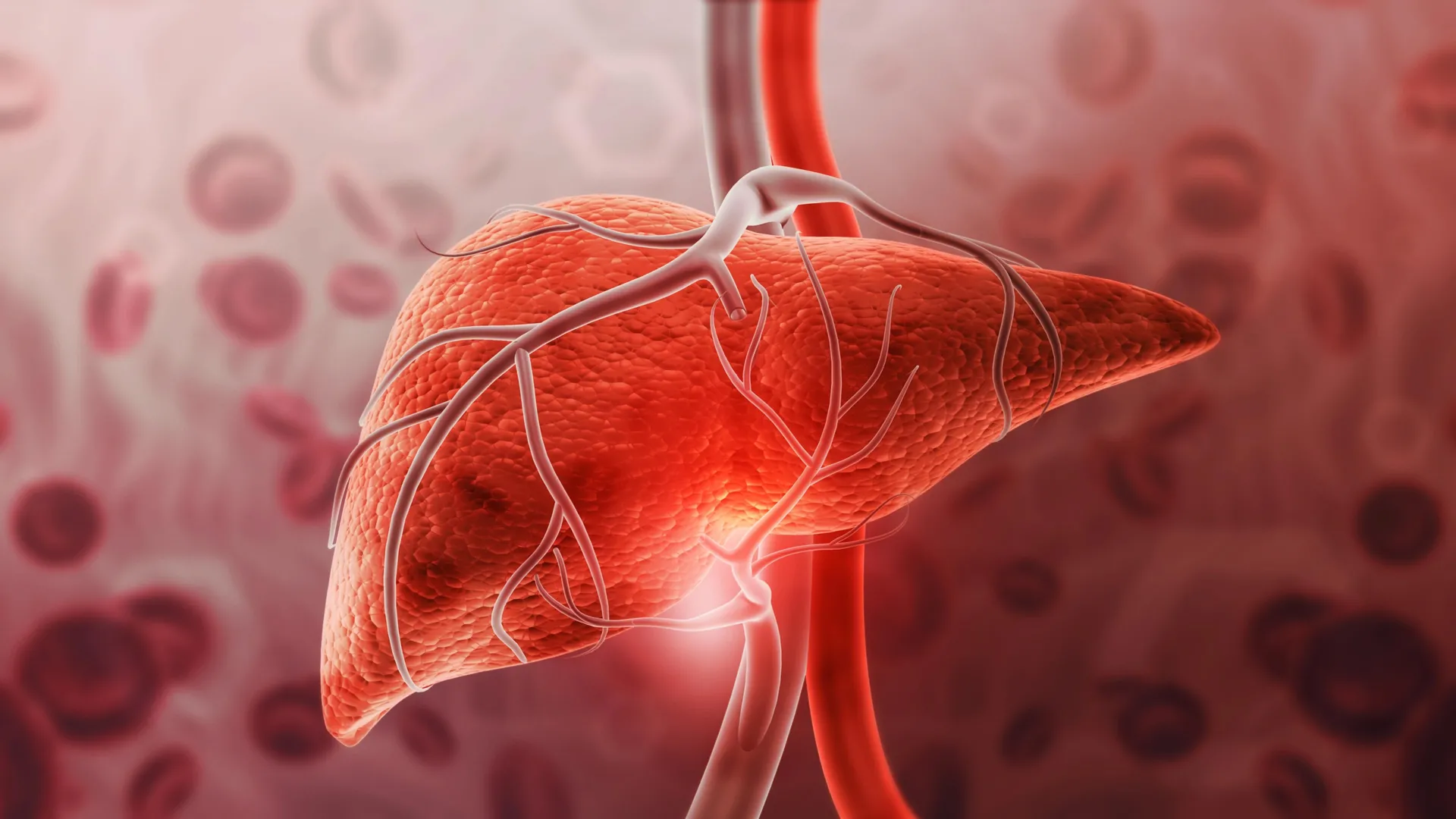
The largest ever biological study of ME/CFS has identified consistent blood differences associated with chronic inflammation, insulin resistance, and liver disease.

Significantly, the results were mostly unaffected by patients’ activity levels, as low activity levels can sometimes hide the biological signs of illness, experts say.

The volume and cons...

Read More

Simple insulin resistance test may also predict cognitive decline in Alzheimer’s patients

blood test
Credit: Artem Podrez from Pexels

Insulin resistance detected by routine triglyceride-glucose (TyG) index can flag people with early Alzheimer’s who are four times more likely to present rapid cognitive decline, according to new research presented at the European Academy of Neurology (EAN) Congress 2025.

Neurologists at the University of Brescia reviewed records of 315 non-diabetic patients with cognitive deficits, including 200 with biologically confirmed Alzheimer’s disease. All subjects underwent an assessment of insulin resistance using the TyG index and a clinical follow-up of three years.

The work is published in the journal Alzheimer’s & Dementia.

When patients were divided according to the TyG index, those in the highest third of the Mild Cognitive Impairment AD subgrou...

Read More

Modified mRNA vaccine masquerades as a virus to trick the body into stronger immunity

Co-delivery of SpyC-mi3 and Pfs25-SpyT results in assembled particles displaying Pfs25 at high density. Credit: Nature Nanotechnology (2025). DOI: 10.1038/s41565-025-01889-1

A more effective vaccine technology may be on the horizon. In a new study in mice, researchers from the University of Copenhagen demonstrate that a simple addition to mRNA vaccines can significantly enhance their effectiveness. The innovation could become a powerful tool in the next pandemic. The next step is human trials.

During the COVID-19 pandemic, it wasn’t just face masks that became part of everyday conversation—so did a new vaccine technology: the mRNA vaccine.

As the first of its kind, the COVID-19 vaccine was developed using mRNA technology, which proved both highly effective against the virus a...

Read More

Scientists discover natural cancer-fighting sugar in sea cucumbers

Photo illustration of a sea cucumber moving about the ocean floor with a molecular model superimposed above it.

UM-led study explores how sea cucumber sugars could be used in cancer therapy. Sea cucumbers are the ocean’s janitors, cleaning the seabed and recycling nutrients back into the water. But this humble marine invertebrate could also hold the key to stopping the spread of cancer.

A sugar compound found in sea cucumbers can effectively block Sulf-2, an enzyme that plays a major role in cancer growth, according to a University of Mississippi-led study published in Glycobiology.

“Marine life produces compounds with unique structures that are often rare or not found in terrestrial vertebrates,” said Marwa Farrag, a fourth-year doctoral candidate in the UM Department of BioMolecular Sciences.

“And so, the sugar compounds in sea cucumbers are unique...

Read More