Category Biology/Biotechnology

Nutritionally-speaking, Soy Milk is best Plant-based milk Closest to Cow’s milk in range of Nutrients it offers

How well do plant based alternatives fare nutritionally compared to cow’s milk? Journal of Food Science and Technology, 2017; 55 (1): 10 DOI: 10.1007/s13197-017-2915-y

How well do plant based alternatives fare nutritionally compared to cow’s milk? Journal of Food Science and Technology, 2017; 55 (1): 10 DOI: 10.1007/s13197-017-2915-y

A new study looks at the four most-commonly consumed types of milk beverages from plant sources around the world – almond milk, soy milk, rice milk and coconut milk – and compares their nutritional values with those of cow’s milk. After cow’s milk, which is still the most nutritious, soy milk comes out a clear winner. How healthy is your almond milk really? It may taste good and may not cause you any of the unpleasant reactions caused by cow’s milk...

Read More
MIND diet may slow Cognitive decline in Stroke survivors

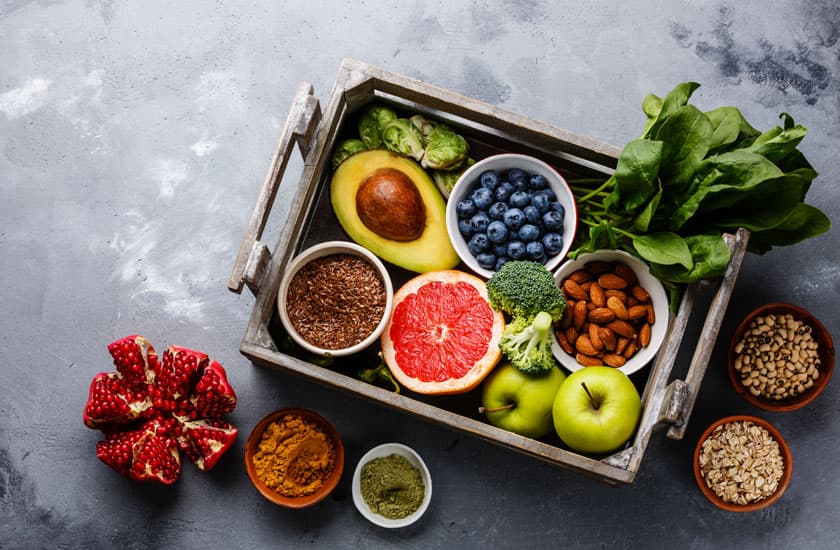
The MIND diet has 15 dietary components, including 10 “brain-healthy food groups” and five unhealthy groups — red meat, butter and stick margarine, cheese, pastries and sweets, and fried or fast food.

The MIND diet has 15 dietary components, including 10 “brain-healthy food groups” and five unhealthy groups — red meat, butter and stick margarine, cheese, pastries and sweets, and fried or fast food.

A diet created by researchers at Rush University Medical Center may help substantially slow cognitive decline in stroke survivors, according to preliminary research presented on Jan. 25 at the American Stroke Association’s International Stroke Conference 2018 in Los Angeles. The findings are significant because stroke survivors are twice as likely to develop dementia compared to the general population. The diet, known as the MIND diet, is short for Mediterranean-DASH Diet Intervention for Neurodegenerative Delay...

Read More

Surprising Discovery Links Sour Taste to the Inner Ear’s Ability to Sense Balance

Taste cells at the back of the tongue, studied by USC Dornsife researchers. The red-colored cells detect sour taste and the green-colored cells detect bitter, sweet or umami. The cell nuclei are colored blue. Credit: Yu-Hsiang Tu and Emily Liman

Taste cells at the back of the tongue, studied by USC Dornsife researchers. The red-colored cells detect sour taste and the green-colored cells detect bitter, sweet or umami. The cell nuclei are colored blue. Credit: Yu-Hsiang Tu and Emily Liman

In a quest to understand how the body detects sour taste, the researchers found a proton channel involved in the body’s ability to maintain balance. Scientists at the USC Dornsife College of Letters, Arts and Sciences have discovered an entirely new class of ion channels. These channels let protons (H+ ions) into cells, are important in the inner ear for balance, and are present in the taste cells that respond to sour flavors.

Protons control whether a solution is acidic or basic. They set pH...

Read More

What are Memories Made Of?

AKT isoforms have distinct hippocampal expression and roles in synaptic plasticity. eLife, 2018 DOI: 10.7554/eLife.30640.001

AKT isoforms have distinct hippocampal expression and roles in synaptic plasticity. eLife, 2018 DOI: 10.7554/eLife.30640.001

New study sheds light on key protein. For 5 years, the assistant professor of integrative physiology at CU Boulder has been working to better understand a protein called AKT, which is ubiquitous in brain tissue and instrumental in enabling the brain to adapt to new experiences and lay down new memories. Until now, scientists have known very little about what it does in the brain. But in a new paper funded by the National Institutes of Health, Hoeffer and his co-authors spell it out for the first time, showing that AKT comes in 3 distinct varieties residing in different kinds of brain cells and affecting brain health in very distinct ways...

Read More