Category Biology/Biotechnology

Long working hours may alter brain structure, preliminary findings suggest

Night shift
Credit: CC0 Public Domain

Long working hours may alter the structure of the brain, particularly the areas associated with emotional regulation and executive function, such as working memory and problem solving, suggest the findings of preliminary research, published online in Occupational & Environmental Medicine.

Ultimately, overwork may induce neuroadaptive changes that might affect cognitive and emotional health, say the researchers.

Long working hours have been linked to heightened risks of cardiovascular disease, metabolic disorders, and mental health issues. And the International Labor Organization (ILO) estimates that overwork kills more than 800,000 people every year, note the researchers.

While the behavioral and psychological consequences of overwork are reasonably w...

Read More

Forgotten cell clusters may hold key to diabetic neuropathy pain

Human dorsal root ganglia in a case of diabetic peripheral neuropathy show formation of Nageotte nodules (circled in pink), which appear to be a strong indicator of nerve cell death.

A phenomenon largely ignored since its discovery 100 years ago appears to be a crucial component of diabetic pain, according to new research from The University of Texas at Dallas’s Center for Advanced Pain Studies (CAPS).

Findings from a new study published in Nature Communications suggest that cell clusters called Nageotte nodules are a strong indicator of nerve cell death in human sensory ganglia. These could prove to be a target for drugs that would protect these nerves or help manage diabetic neuropathy.

“The key finding of our study is really a new view of diabetic neuropathic pain,” said Dr...

Read More

Heart rhythm disorder traced to bacterium lurking in gums

Heart rhythm disorder traced to bacterium lurking in our gums
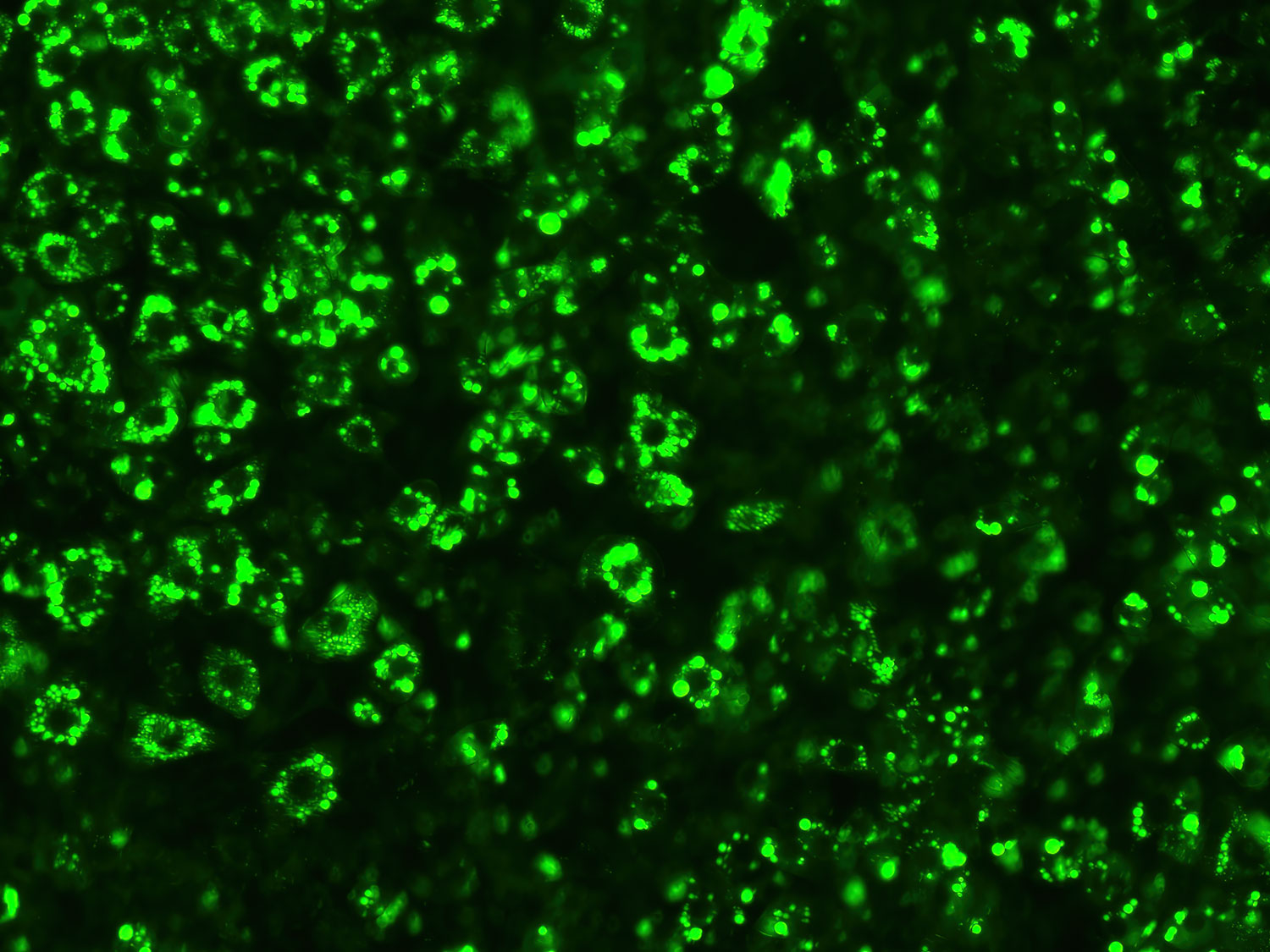
Immunohistochemical staining in mice shows Porphyromonas gingivalis (green) entering cardiac muscle through small blood vessels in the left atrium. Credit: Shunsuke Miyauchi/Hiroshima University

Tempted to skip the floss? Your heart might thank you if you don’t. A new study from Hiroshima University (HU) finds that the gum disease bacterium Porphyromonas gingivalis (P. gingivalis) can slip into the bloodstream and infiltrate the heart. There, it quietly drives scar tissue buildup—known as fibrosis—distorting the heart’s architecture, interfering with electrical signals, and raising the risk of atrial fibrillation (AFib).

Clinicians have long noticed that people with periodontitis, a common form of gum disease, seem more prone to cardiovascular problems...

Read More

Natural short sleepers have a genetic mutation, finds new study

Natural short sleepers have a genetic mutations finds a new study
A rare genetic mutation was identified in a human with natural short sleep traits. Credit: Ketut Subiyanto/Pexels

Not everyone needs 8 hours of sleep to function properly. Some people can feel well-rested and show no negative effects of sleep deprivation, even after just 4 hours of sleep, which is likely the result of a genetic mutation.

A recent study has reported that a mutation in salt-induced kinase 3 (hSIK3-N783Y)—a gene critical for regulating sleep duration and depth—may be the reason why some people are natural short sleepers (NSS).

The findings of this study are published in Proceedings of the National Academy of Sciences.

We might be physically inactive when sleeping, but our body is far from being idle...

Read More