Category Biology/Biotechnology

Zinc eaten at levels found in biofortified crops Reduces ‘Wear and Tear’ on DNA

Collage of products containing zinc. Credit: © Africa Studio / Fotolia

Collage of products containing zinc. Credit: © Africa Studio / Fotolia

Research results present a new strategy for measuring the impact of zinc on health. The study, published in the American Journal of Clinical Nutrition, was led by CHORI Senior Scientist Janet King, PhD. King and her team are the first to show that a modest increase in dietary zinc reduces oxidative stress and damage to DNA. Zinc is ubiquitous in our body and facilitates many functions that are essential for preserving life. It plays a vital role in maintaining optimal childhood growth, and in ensuring a healthy immune system. Zinc also helps limit inflammation and oxidative stress in our body, which are associated with the onset of chronic cardiovascular diseases and cancers.

Around much of the world, many households e...

Read More

Using Immune Cells to deliver Anti-Cancer Drugs

Artist’s conception of nanoparticle-carrying immune cells that target tumors and release drug-loaded nanoparticles for cancer treatment.

Credit: Jian Yang, Yixue Su Artist’s conception of nanoparticle-carrying immune cells that target tumors and release drug-loaded nanoparticles for cancer treatment.

Penn State engineers have conjugating biodegradable polymer nanoparticles encapsulated with chosen cancer-fighting drugs into immune cells to create a smart, targeted system to attack cancers of specific types. “The traditional way to deliver drugs to tumors is to put the drug inside some type of nanoparticle and inject those particles into the bloodstream,” said Jian Yang, professor of biomedical engineering, Penn State. “Because the particles are so small, if they happen to reach the tumor site they have a chance of penetrating through the blood vessel wall because the vasculature of tumors is usually leaky.”

The odds of in...

Read More

Pot May Restrict Blood Flow to Brain: study

Pot may restrict blood flow to brain: study

Marijuana appears to hamper blood flow to the brain, which theoretically could affect your memory and ability to reason, a new study suggests.

Marijuana appears to hamper blood flow to the brain, which theoretically could affect your memory and ability to reason, a new study suggests. Brain scans of nearly 1,000 past and present marijuana users revealed abnormally low blood flow throughout their brains, compared with a smaller control group of 92 people who’d never used pot. “The differences were astonishing,” said Dr. Daniel Amen, a psychiatrist and founder of the U.S.-based Amen Clinics. “Virtually every area of the brain we measured was lower in blood flow and activity in the marijuana smokers than in the healthy group.”

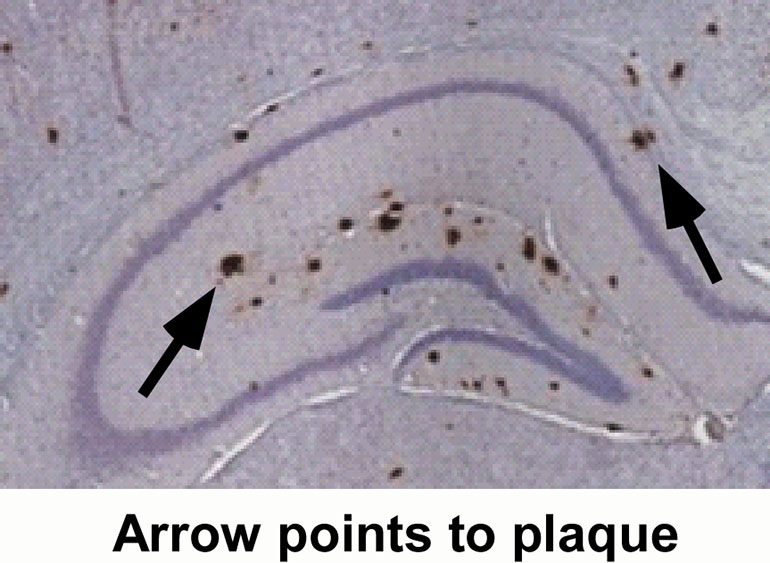
Blood flow was lowest in the hippocampus of marijuana users, which...

Read More

Worms Dine on Nanoparticles to help test Biological Force Sensor technology

Worms dine on nanoparticles to help test biological force sensor technology

In the Dionne lab at Stanford, a laser causes nanoparticles suspended in cyclohexane to emit light. The nanoparticles change color depending on the pressure around them and give real-time information about the forces they undergo. Credit: Alice Lay

Millimeter-long worms digesting a nanoparticle-laced meal of their favorite bacteria could eventually lead to a new way to see cellular forces at play within our own bodies, including processes like wound healing and cancer growth. The key is that these particular nanoparticles glow when struck by a near-infrared laser and change color depending on the pressure around them. So, they can give off real-time information about the forces they’re undergoing while they’re still inside the worm.

“Altered cellular-level forces underlie many disorders, i...

Read More