
Category Biology/Biotechnology

Big step towards Cure for HIV and other Lifelong Viral Infections

TFC cells express CXCR5 to localize to B cell follicles.

TFC cells express CXCR5 to localize to B cell follicles.

New research has taken us a step closer to finding a cure for HIV, as well as other infections including the glandular fever virus, which is associated with the development of lymphoma. Some infections, such as HIV, cannot be cured with antiviral therapy because the virus effectively hides from the immune system.

An international team of scientists have discovered that killer T cells can find these “hidden” infected cells in tissue and destroy them. “We’ve shown for the first time that there are specialised killer T cells that can migrate into a part of the lymphoid tissue and control hidden infection,” Dr Yu said.

Although treatments for HIV with antiretroviral drugs are highly effective, treatment is lifelong and there is no cure...

Read More
Why you’re stiff in the Morning: Your Body Suppresses inflammation when you Sleep at night

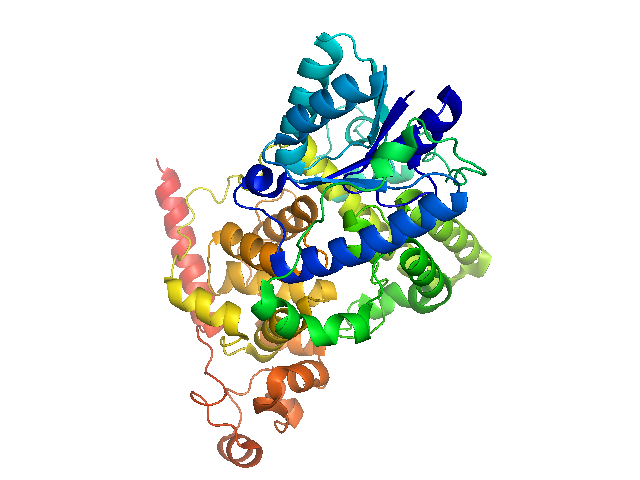
CRY1, cryptochrome circadian clock 1

CRY1, cryptochrome circadian clock 1

New research describes a protein created by the body’s “biological clock” that actively represses inflammatory pathways within the affected limbs during the night. This protein, called CRYPTOCHROME, has proven anti-inflammatory effects in cultured cells and presents new opportunities for the development of drugs that may be used to treat inflammatory diseases and conditions, such as arthritis.

“By understanding how the biological clock regulates inflammation, we can begin to develop new treatments, which might exploit this knowledge,” said Julie Gibbs, Ph.D, University of Manchester, UK. “Furthermore, by adapting the time of day at which current drug therapies are administered, we may be able to make them more effective.”

To make this discovery, Gibbs a...

Read More

New way to Inhibit Development of Lung Cancer

Protein BMI1 PDB 2ckl.png

BMI1

Researchers found that inhibiting protein BMI1 was able to impair tumour growth in lung cancer. The study was led by Professor Daniel Tenen, Director of CSI Singapore et al. Lung cancer is one of the deadliest cancers in the world, accounting for 30% of tumour-related deaths. Like many solid tumours, lung cancer is very heterogeneous (consisting of cancer cells which behave and respond differently) and hence there is currently no single efficient drug which is able to treat all patients.

Prof Tenen has worked on the differentiation factor C/ EBPa for several decades, demonstrating that it is an important tumour suppressor, first in acute myelogenous leukemia, and subsequently, in studies in collaboration with Dr Levantini, in lung cancer...

Read More

Study suggests ‘Use it or Lose it’ to defend against Memory Loss

Auriel Willette with images of brain scans

Auriel Willette used data from brain scans and memory tests to track the progression of Alzheimer’s disease. Photo by Blake Lanser

Iowa State University researchers have identified a protein essential for building memories that appears to predict the progression of memory loss and brain atrophy in Alzheimer’s patients. The findings also suggest there is a link between brain activity and the presence of the protein neuronal pentraxin-2, or NPTX2. The research, published in the journal Brain, Behavior and Immunity, found a correlation between higher levels of NPTX2 and better memory and more brain volume. Lower levels of the protein were associated with diminished memory and less volume.

“NPTX2 seems to exert a protective effect,” Swanson said...

Read More