



Synthetic biowire are making an electrical connection between two electrodes. Researchers led by microbiologist Derek Lovely at UMass Amherst say the wires, which rival the thinnest wires known to man, are produced from renewable, inexpensive feedstocks and avoid the harsh chemical processes typically used to produce nanoelectronic materials. Credit: UMass Amherst
A genetically designed strain of bacteria spins out very thin and highly conductive wires made up of solely of non-toxic, natural amino acids. Researchers led by microbiologist Derek Lovely say the wires, which rival the thinnest wires known to man, are produced from renewable, inexpensive feedstocks and avoid the harsh chemical processes typically used to produce nanoelectronic materials...
Read More
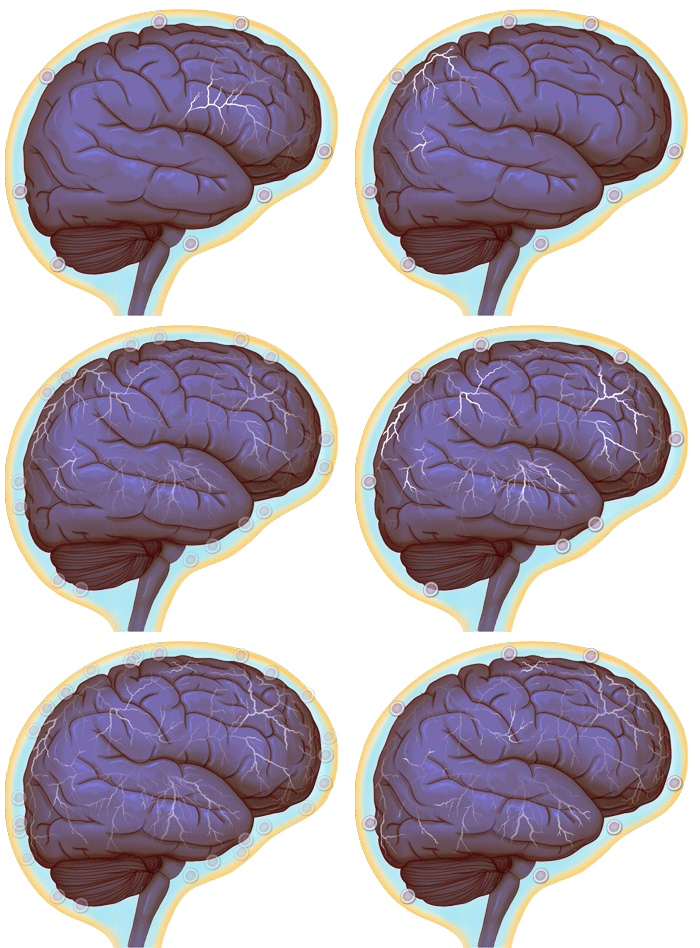
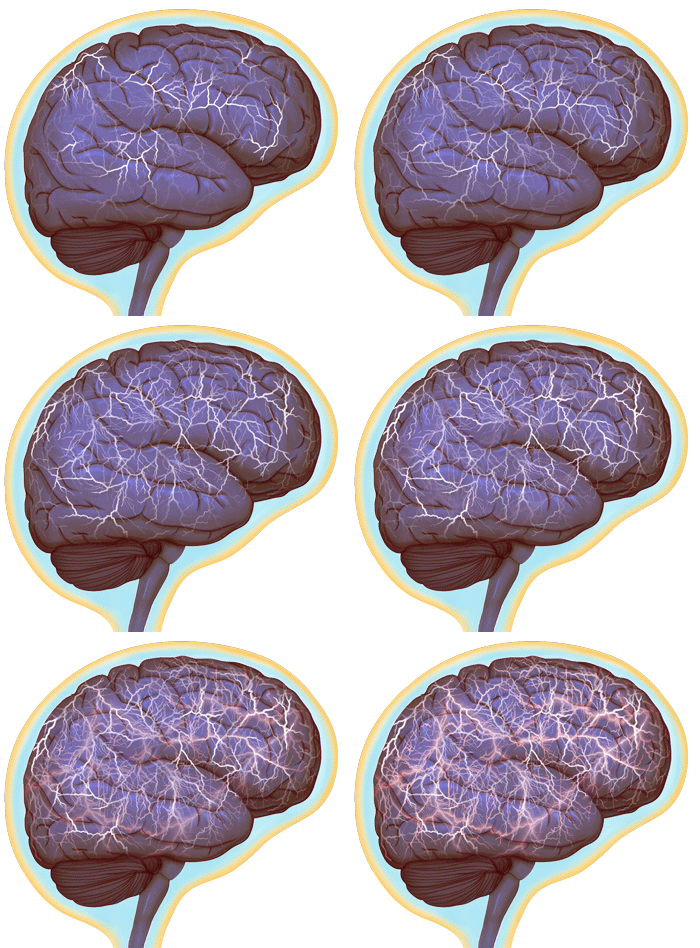 University of Virginia School of Medicine researchers have determined that the immune system directly affects and even controls, creatures’ social behavior, such as their desire to interact with others. So could immune system problems contribute to an inability to have normal social interactions? The answer appears to be yes, and could have great implications for neurological conditions eg autism-spectrum disorders and schizophrenia.


Recent Comments