
Category Biology/Biotechnology

Serotonin Deficiency implicated in Rheumatoid Arthritis

Histologic assessment of arthritic joints using hematoxylin and eosin staining revealed a higher arthritis score on Tph1−/−mice

Histologic assessment of arthritic joints using hematoxylin and eosin staining revealed a higher arthritis score on Tph1−/−mice

For the 1st time, serotonin (5-hydroxytryptamine, 5-HT) has been directly implicated in the pathophysiology of rheumatoid arthritis (RA). Although 5-HT is predominantly known as a neurotransmitter within the CNS, new evidence points to additional important functions for serotonin in the periphery. A report in The American Journal of Pathology shows that experimentally-induced RA in serotonin-deficient mice is worse than disease reported in controls and that some effects of RA can be reduced by serotonin or its agonists (compounds that activate serotonin receptors).

“Our study highlights that 5-HT has a direct immunoregulatory role in arthritis...

Read More
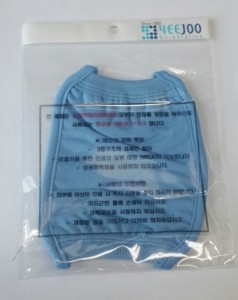
Anti-Bacterial Fabric Holds Promise for Fighting Superbug

antisuperbacteria mask

Proto-type anti-super-bacterial masks, made of antibacterial fabric.

A Korean industry-academic collaborative group has recently developed an anti-bacterial fabric that are effective against antibiotic-resistant superbugs ie Staphylococcus aureus strains. Antibiotics have proven to be a valuable weapon in the fight against infectious bacteria. But widespread use of antibiotics has resulted in antibiotic-resistant bacteria . Every year, 0.7 million patients die from a drug-resistant “superbug.” Moreover, nosocomial infections, ie hospital-acquired infections, have become a growing problem.

Consequently, as part of a local public health project, UNIST, Yeejoo Co., Ltd...

Read More

Green Tea and Iron, bad combination

egcggreen-tea

Green tea has great antioxidants, but experiments in a lab mouse model of IBD suggest that consuming green tea along with dietary iron may actually lessen green tea’s benefits. “If you drink green tea after an iron-rich meal, the main compound in the tea will bind to the iron,” said Matam Vijay-Kumar, assistant professor of nutritional sciences, Penn State. “When that occurs, the green tea loses its potential as an antioxidant. In order to get the benefits of green tea, it may be best to not consume it with iron-rich foods.” Iron-rich foods include red meat and dark leafy greens, such as kale and spinach, iron supplements.

Vijay-Kumar and colleagues found that EGCG – the main compound in green tea – potently inhibits myeloperoxidase, a pro-inflammatory enzyme released by white blood cells...

Read More

Cellular Aging Process unexpectedly Enhances Insulin Secretion

Human beta cells grown in culture (blue). Cells on right were induced to undergo senescence, causing them to secrete more insulin, stained in red. Credit: Dr. Ronny Helman

Human beta cells grown in culture (blue). Cells on right were induced to undergo senescence, causing them to secrete more insulin, stained in red. Credit: Dr. Ronny Helman

The researchers examined the activity of gene p16, which activates senescence in cells (prevents cells from dividing, and is therefore important in preventing cancer). The activity of the p16 gene increases in human and mouse pancreatic beta cells during aging and limits their potential to divide. This activity is thus seen as having a negative effect – the lack of ability of these cells to divide can contribute to diabetes, since beta cells are the cells responsible for secreting insulin when blood glucose levels are high. However, it was unknown whether senescent beta cells could continue functioning at all.

To their s...

Read More