Category Biology/Biotechnology

Gut Bioelectricity provides a Path for ‘Bad’ Bacteria to Cause Diseases

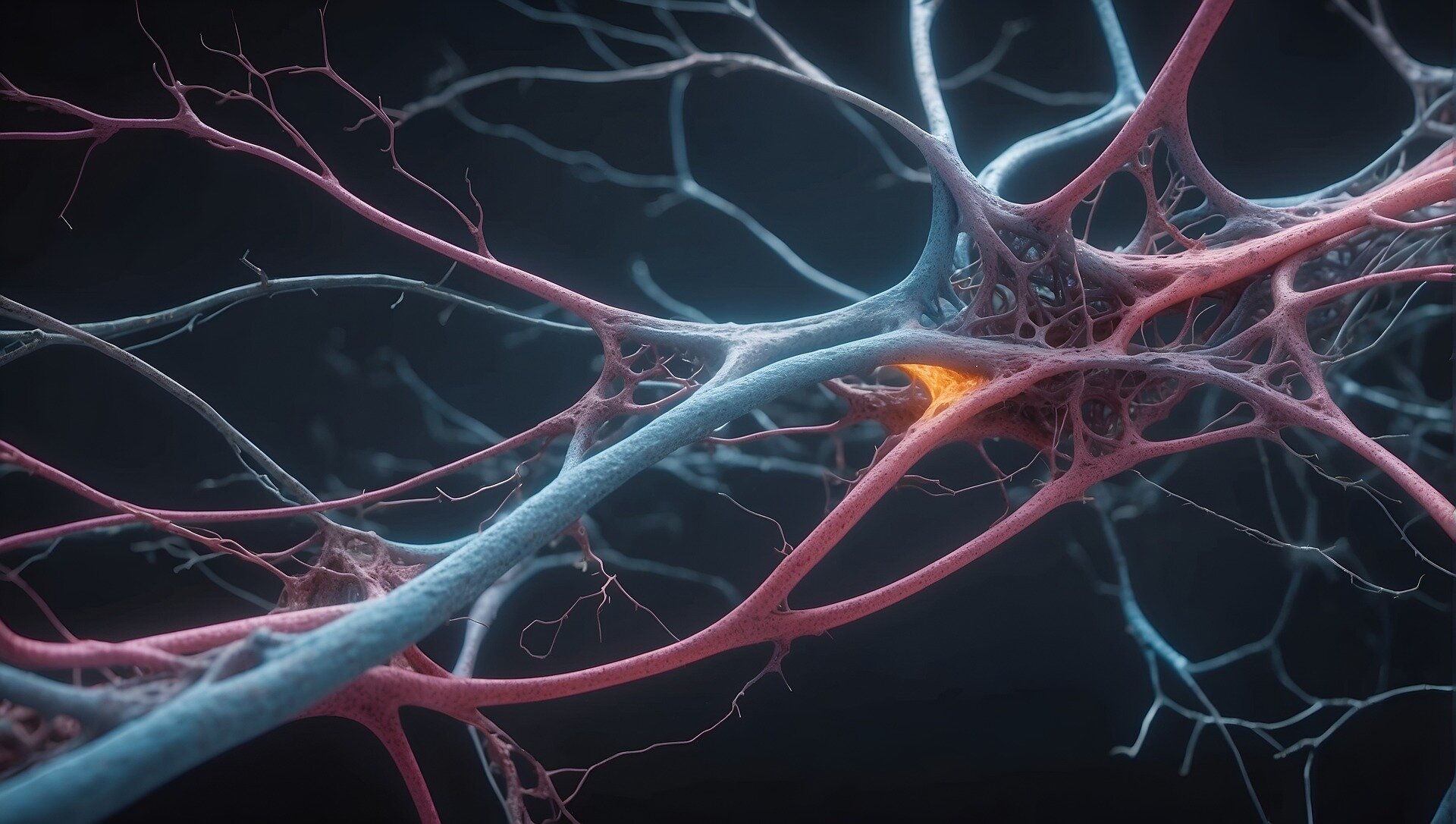
The electrical field-guided migration of S. Typhimurium as shown by immunostaining

Study discovers an electric current in the gut that attracts pathogens like Salmonella. Researchers have discovered a novel bioelectrical mechanism that pathogens like Salmonella use to find entry points in the gut lining that would allow pathogens to pass and cause infection.

How do bad bacteria find entry points in the body to cause infection?

This question is fundamental for infectious disease experts and people who study bacteria. Harmful pathogens, like Salmonella, find their way through a complex gut system where they are vastly outnumbered by good microbes and immune cells. Still, the pathogens navigate to find vulnerable entry points in the gut that would allow them to invade and infect the body.

A team of UC Davis Health researchers has discovered a novel bioelectric...

Read More

Gut Microbial Pathway identified as Target for Improved Heart Disease Treatment

...
Topological designation of the secondary structure of β2AR. The figure displays the overlap of the secondary structures of the 4 crystal structures of β2AR used in this study.

Cleveland Clinic researchers have made a significant discovery about how the gut microbiome interacts with cells to cause cardiovascular disease. The study published in Nature Communications found that phenylacetylglutamine (PAG), produced by gut bacteria as a waste product, then absorbed and formed in the liver, interacts with previously undiscovered locations on beta-2 adrenergic receptors on heart cells once it enters the circulation.

PAG was shown to interact with beta-2 adrenergic receptors to influence how forcefully the heart muscle cells contract—a process that investigators believe contributes to he...

Read More

Improving Access to Heart-Failure Screening with Saliva

Spit to save lives: 15-minute saliva test detects heart failure at home
A new saliva-based test for heart failure measures two biomarkers from a drop of saliva in about 15 minutes and can be administered at home.

Heart failure is a leading cause of death worldwide and is especially deadly for people who don’t have access to medical facilities. A team of researchers aims to bring heart failure screening from the lab to the home with a point-of-care electrochemical biosensor prototype that measures levels of two biomarkers for heart failure in as little as 15 minutes from just a drop of saliva.

Trey Pittman, a graduate student at Colorado State University, will present his team’s research at the fall meeting of the American Chemical Society (ACS).

“Our device would be ideal for people who are at high risk for heart failure but have limited access to a ...

Read More

Rare Diseases Point to Connections Between Metabolism and Immunity

Jeffrey Rathmell, PhD, left, and Andrew Patterson, PhD, have discovered a new set of metabolic genes that are important for immune cell function. (photo by Susan Urmy)

Overlap in genes suggests a potential new class of inborn errors of immunometabolism. Inherited diseases of metabolism and immunity have more in common than previously recognized, according to a new study published in the journal Science Immunology. The findings point to a new set of metabolic genes that are important for the function of immune system T cells, and they offer insights that could improve care for patients with these disorders.

The study examined genes that cause inborn errors of metabolism (disorders of the processes that cells use to convert food to energy) and inborn errors of immunity (disorders that...

Read More