
Category Biology/Biotechnology

Newly Evolved, uniquely Human Gene Variants protect Older adults from Cognitive Decline

Elders contribute to the fitness of younger individuals by caring for grandchildren and passing down important cultural knowledge. Credit: USDA

Elders contribute to the fitness of younger individuals by caring for grandchildren and passing down important cultural knowledge. Credit: USDA

Many human gene variants have evolved specifically to protect older adults against neurodegenerative and cardiovascular diseases, thus preserving their contributions to society, report researchers. “We unexpectedly discovered that humans have evolved gene variants that can help protect the elderly from dementia,” said Prof Ajit Varki, MD. “Such genes likely evolved to preserve valuable and wise grandmothers and other elders, as well as to delay or prevent the emergence of dependent individuals who could divert resources and effort away from the care of the young.”

The standard model of natural selection predicts that once the age of reproduction en...

Read More
Synapse Discovery could lead to New Treatments for Alzheimer’s disease

Neural cell adhesion molecule 2 in PDB entry 2v5t

Neural cell adhesion molecule 2 in PDB entry 2v5t

UNSW scientists have discovered how connections between brain cells are destroyed in the early stages of Alzheimer’s disease – work that opens up a new avenue for research on possible treatments for the degenerative brain condition. “One of the first signs of Alzheimer’s disease is the loss of synapses ” says Dr Vladimir Sytnyk, of the UNSW School of Biotechnology and Biomolecular Sciences. “Synapses are required for all brain functions, and particularly for learning and forming memories. In Alzheimer’s disease, this loss of synapses occurs very early on, when people still only have mild cognitive impairment, and long before the nerve cells themselves die.

The team studied a protein in the brain called neural cell adhesion molecule 2, or

Read More

Study shows White Matter Damage caused by ‘Skunk-like’ Cannabis

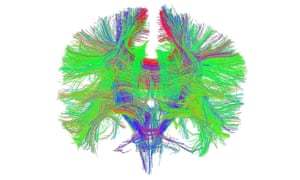
Brain white matter scan

The brain’s white matter seen from the front as obtained by diffusion tensor imaging. Photograph: Institute of Psychiatry

Smoking high potency ‘skunk-like’ cannabis can damage a crucial part of the brain responsible for communication between the two brain hemispheres, according to a new study by scientists from King’s College London and Sapienza University of Rome.

Researchers have known for some time that long-term cannabis use increases the risk of psychosis, and recent evidence suggests that alterations in brain function and structure may be responsible for this greater vulnerability. However, this new research is the first to examine the effect of cannabis potency on brain structure.

Exploring the impact of cannabis potency is particularly important since today’s high potency ‘skunk-...

Read More

Moonlighting Molecules: Finding New Use for Old Enzyme

Moonlighting molecules: Finding new uses for old enzymes

Structure of the MMP8 protein. Based on PyMOL rendering of PDB 1a85 Credit: Emw

Researchers identify a potentially significant new application for a well-known human enzyme that may help treat respiratory diseases eg asthma. Many enzymes are already well characterised and their functions fairly well understood eg. MMP8 is present in connective tissues of most mammals, where it breaks the chemical bonds found in collagen. In pre-clinical research Dr F Hollfelder (Dept of Biochemistry at Cambridge) and Dr L. Jermutus, Sr Director (R&D at MedImmune) mapped a list of proteases against potential protein drug targets.

Using automation technology at MedImmune, the team then tested each of the enzymes against each target protein in turn, allowing them to identify a significant number of so-far unk...

Read More