


- Helping others linked to younger-looking adult brains, even after accounting for health and lifestyle
- Undergraduate student may have solved puzzle regarding isolated galaxies that have stopped producing stars
- Levitating glass sphere becomes entangled with light at room temperature
- Alcohol in space: Exotic methanol discovered in planet-building zones
Category Health/Medical
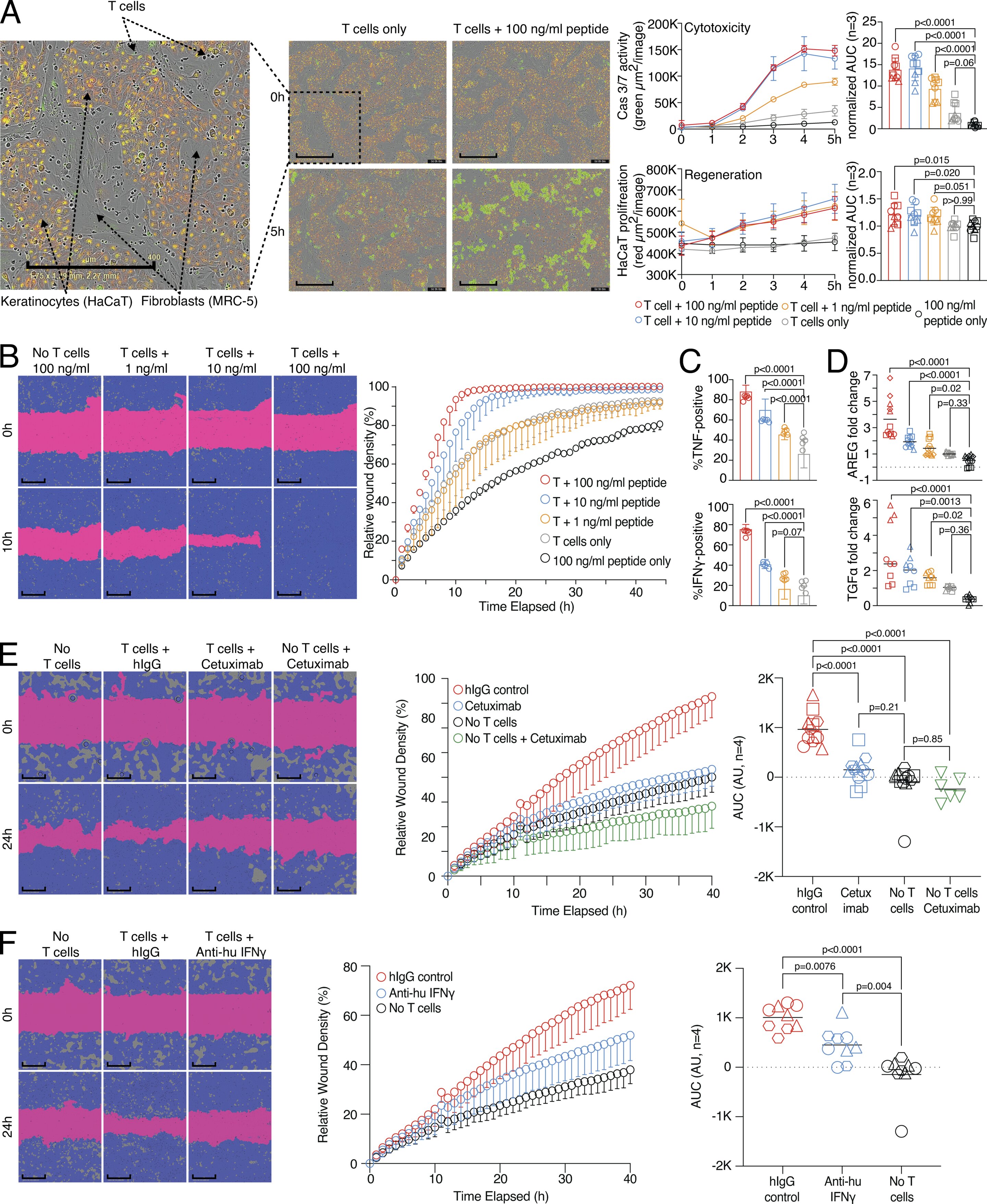
Research demonstrates that Killer T cells can support Tissue Regeneration
January 17, 2024,
 Health/Medical, Biology/Biotechnology
Novel Regulator of Immune Evasion in Cancer identified
January 16, 2024,
Health/Medical, Biology/Biotechnology
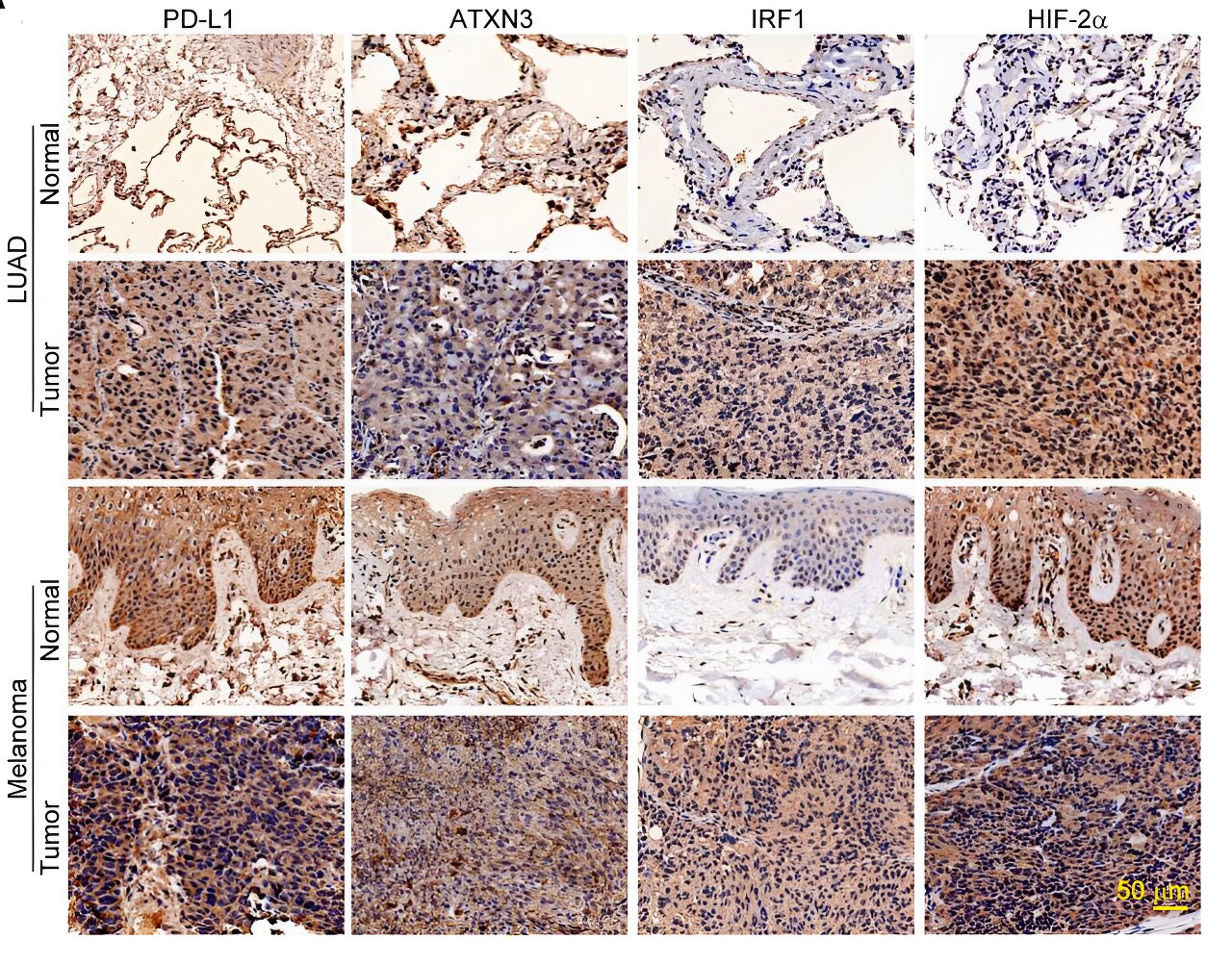
Northwestern Medicine investigators have identified a previously unknown regulator of tumor immune evasion, which may help improve the efficacy of current and future antitumor immunotherapies, according to recent findings published in the Journal of Clinical Investigation.
“The study provides a molecular insight into understanding why some cancer patients cannot be treated by the checkpoint blockade antitumor therapy, but others can,” said Deyu Fang, Ph.D...
Read MoreStudy: In patients with Long COVID, Immune cells don’t follow the rules
January 15, 2024,
Biology/Biotechnology, Health/Medical

People with long COVID have dysfunctional immune cells that show signs of chronic inflammation and faulty movement into organs, among other unusual activity, according to a new study by scientists at Gladstone Institutes and UC San Francisco (UCSF).
The team analyzed immune cells and hundreds of different immune molecules in the blood of 43 people with and without long COVID...
Read MoreScientists Identify how Dietary Restriction Slows Brain Aging and Increases Lifespan
January 14, 2024,
Health/Medical, Biology/Biotechnology
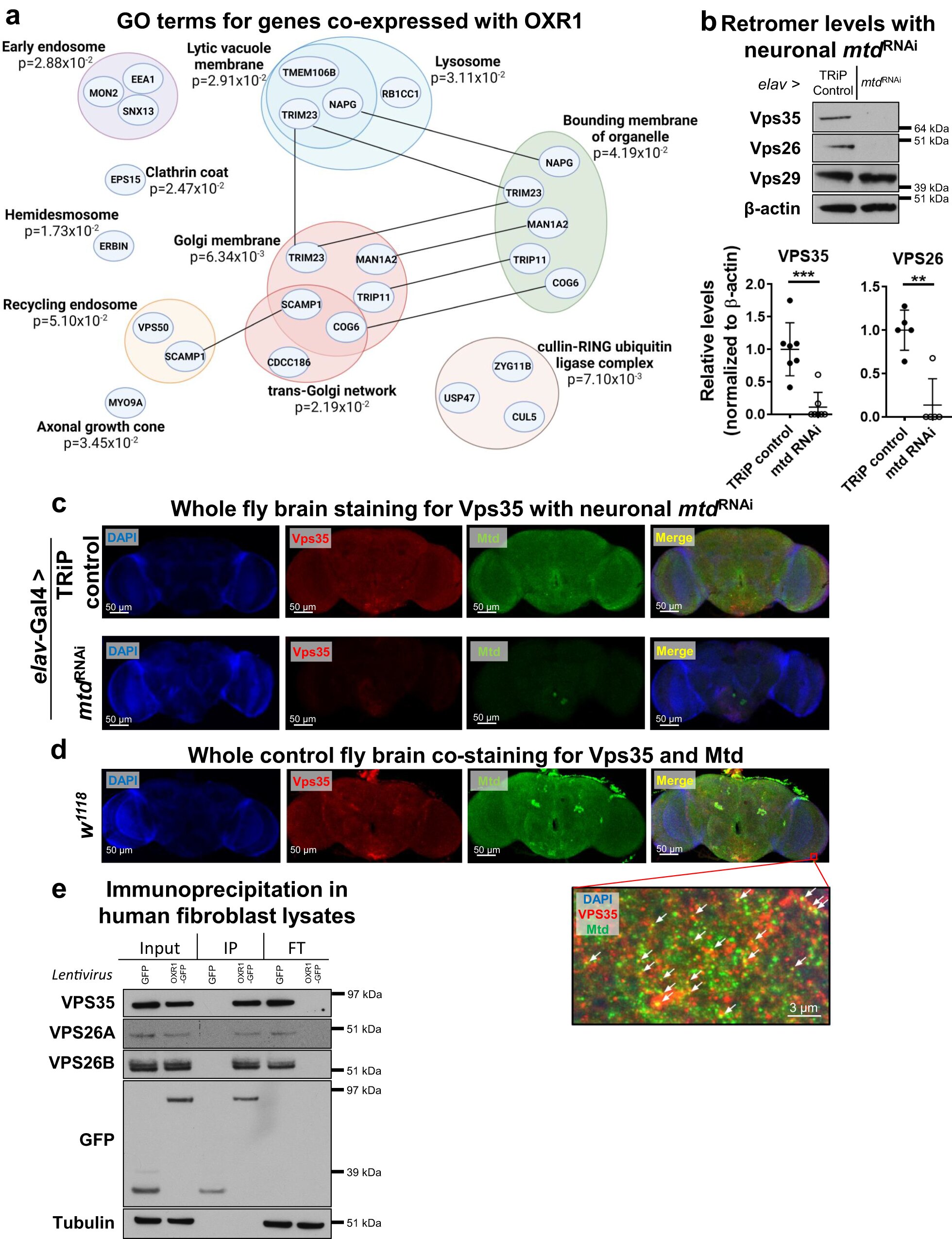
Restricting calories is known to improve health and increase lifespan, but much of how it does so remains a mystery, especially in regard to how it protects the brain. Buck Institute for Research on Aging scientists have uncovered a role for a gene called OXR1 that is necessary for the lifespan extension seen with dietary restriction and is essential for healthy brain aging.
“When people restrict the amount of food that they eat, they typically think it might affect their digestive tract or fat buildup, but not necessarily about how it affects the brain,” said Kenneth Wilson, Ph.D...
Read More
Recent Comments