Category Health/Medical

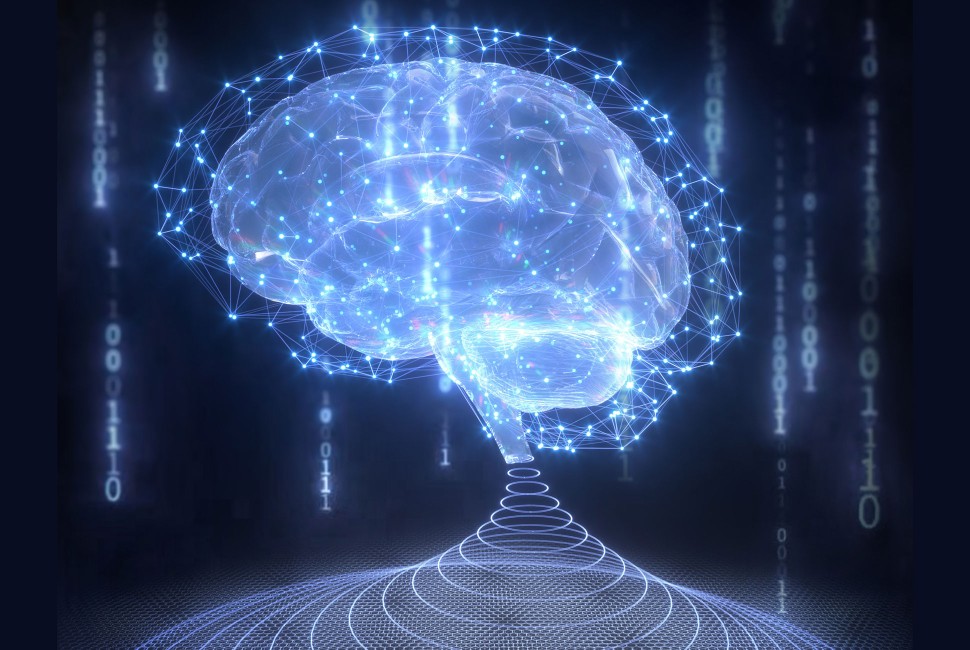
New Study Links Brain Waves directly to Memory

brain wave
Credit: Pixabay/CC0 Public Domain

Neurons produce rhythmic patterns of electrical activity in the brain. One of the unsettled questions in the field of neuroscience is what primarily drives these rhythmic signals, called oscillations. University of Arizona researchers have found that simply remembering events can trigger them, even more so than when people are experiencing the actual event.

The researchers, whose findings are published in the journal Neuron, specifically focused on what are known as theta oscillations, which emerge in the brain’s hippocampus region during activities like exploration, navigation and sleep. The hippocampus plays a crucial role in the brain’s ability to remember the past.

Prior to this study, it was believed that the external environment played a mo...

Read More

Scrambler Therapy may offer Lasting Relief for Chronic Pain, review paper suggests

Cancer
Scrambler therapy used for a patient with chemotherapy-induced peripheral neuropathy. The red bursts represent areas where the patient is experiencing pain. Credit: Photo courtesy of Thomas Smith

A new review paper co-authored by two Johns Hopkins pain experts suggests that scrambler therapy, a noninvasive pain treatment, can yield significant relief for approximately 80%-90% of patients with chronic pain, and it may be more effective than another noninvasive therapy: transcutaneous electrical nerve stimulation (TENS). The write-up was published online July 13 in The New England Journal of Medicine.

Scrambler therapy, approved by the U.S...

Read More

How an Ultrasensitive On-Off Switch helps Axolotls Regrow Limbs

It’s one of the mysteries of nature: How does the axolotl, a small salamander, boast a superhero-like ability to regrow nearly any part of its body? For years, scientists have studied the amazing regenerative properties of the axolotl to inform wound healing in humans.

Now, Stanford Medicine researchers have made a leap forward in understanding what sets the axolotl apart from other animals. Axolotls, they discovered, have an ultra-sensitive version of mTOR, a molecule that acts as an on-off switch for protein production. And, like survivalists who fill their basements with non-perishable food for hard times, axolotl cells stockpile messenger RNA molecules, which contain genetic instructions for producing proteins.

The combination of an easily activated mTOR molecule and a repos...

Read More

Lifespan of Aging Science’s Model Organism driven by Reproductive Self-destruction

C elegans worm venting

The lifespan of a small roundworm that has been used as a key model organism in ageing research is limited by how it self-sacrifices to feed its young, finds a new study led by UCL researchers.

The authors of the new Nature Communications paper say their findings raise questions about how well insights from the Caenorhabditis elegans (C. elegans) worm can be translated to human ageing advances.

C. elegans is widely used as a laboratory animal, and has been central to ageing research for 40 years thanks to discoveries of genes that can be supressed to produce up to a tenfold increase in the worm’s lifespan.

The UCL research team investigated what drives the lifespan of C...

Read More