Category Health/Medical

Dental Lozenge could provide Permanent Treatment for Tooth Sensitivity

Guided by a peptide derived from the protein used to develop teeth, the remineralization process covers sensitive tissue with new mineral microlayers. Credit: ACS Publications. 

Over 30 years of dentistry, Sami Dogan has treated just about every kind of tooth ailment. Cavities are simple to fill. Dental implants have become routine. But there’s one problem, he said, that annoys even the most experienced dentists: hypersensitivity, the painful sensation sparked by contact with hot, cold or acidic food.

“We see patients with hypersensitive teeth, but we can’t really help them,” said Dogan, a professor of restorative dentistry at the University of Washington. “We have all these repair options available in the market, but they’re all transient...

Read More

Researchers discover Neurons that Track and Regulate Blood Sugar Levels

picture of a brain neuron
Learning how certain brain neurons sense and react to variations in blood-sugar levels might lead to better diabetes treatments. Getty Images

New research has discovered neurons within the brain that detect and respond to changes in the level of sugar within the bloodstream.

Understanding how this blood sugar detection system works and how these neurocircuits operate would give researchers and doctors greater insights into how our brains regulate our blood sugar, and perhaps, how to target them therapeutically to treat metabolic diseases like diabetes and obesity, according to the study authors.

The study was published June 22 online in Diabetes.

“We’ve known for a long time that many neurons can detect sugar locally within the brain,” said Dr...

Read More

First Bioavailable Compound that specifically Inhibits Free Radical Production in Mitochondria Prevents and Treats Metabolic Syndrome in mice

A potential therapeutic for one of the major chronic diseases of aging. Mopping up free radicals with antioxidants was the rage in the 1970’s; people were taking large, sometimes massive doses of various general antioxidants, including vitamins and minerals, to try to remove harmful byproducts of energy metabolism. The method was supposed to blunt the effects of aging and stave off chronic disease. The strategy didn’t work, and in some cases, it caused harm because untargeted antioxidants also compromised beneficial cellular signaling pathways. Over time, this area of research went on the shelf as mitochondrial theories of disease and aging fell into disfavor.

But research at the Buck offers a new way to deal with free radicals: rather than mop them up, take a pill that selectively...

Read More

New research finds Deep-Sleep Brain Waves Predict Blood Sugar Control

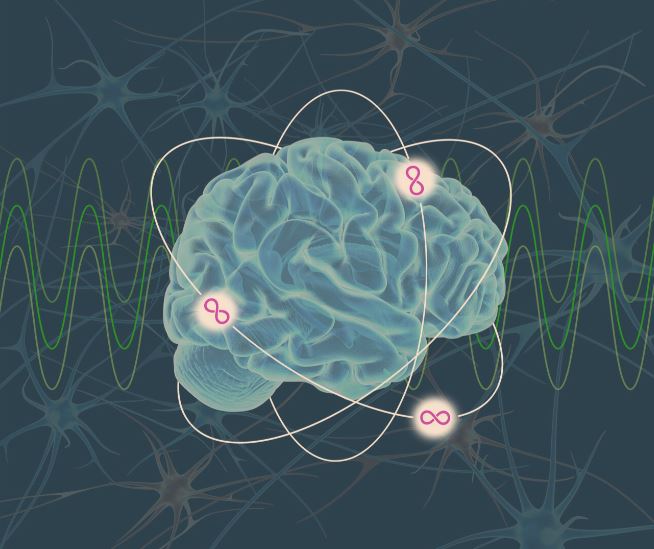
Researchers have uncovered a potential mechanism in humans that explains how and why deep-sleep brain waves at night are able to regulate the body’s sensitivity to insulin, which in turn improves blood sugar control the next day. (Illustration courtesy Matthew Walker)

Researchers have known that a lack of quality sleep can increase a person’s risk of diabetes. What has remained a mystery, however, is why.

Now, new findings from a team of sleep scientists at the University of California, Berkeley, are closer to an answer. The researchers have uncovered a potential mechanism in humans that explains how and why deep-sleep brain waves at night are able to regulate the body’s sensitivity to insulin, which in turn improves blood sugar control the next day.

“These synchronized brain w...

Read More