Category Health/Medical

Scientists develop Magnetically Controlled Soft Medical Robot inspired by the Pangolin

Pangolin the inspiration for medical robot
The pangolin-inspired untethered magnetic robot. A Conceptual illustration of the pangolin-inspired robot operating in the small intestine. Robot is actuated with a low-frequency magnetic field and heated remotely with a high-frequency magnetic field. The pangolin’s body consist of individual overlapping hard keratin scales. The robot inspired by this overlapping design is shown on the right. Images of pangolins used under Standard licence from Shutterstock. Credit: Max Planck Institute for Intelligent Systems Tübingen

Pangolins are fascinating creatures. This animal looks like a walking pine cone, as it is the only mammal completely covered with hard scales. The scales are made of keratin, just like our hair and nails...

Read More

Elimination of Type of Bacteria Suggests Treatment for Endometriosis

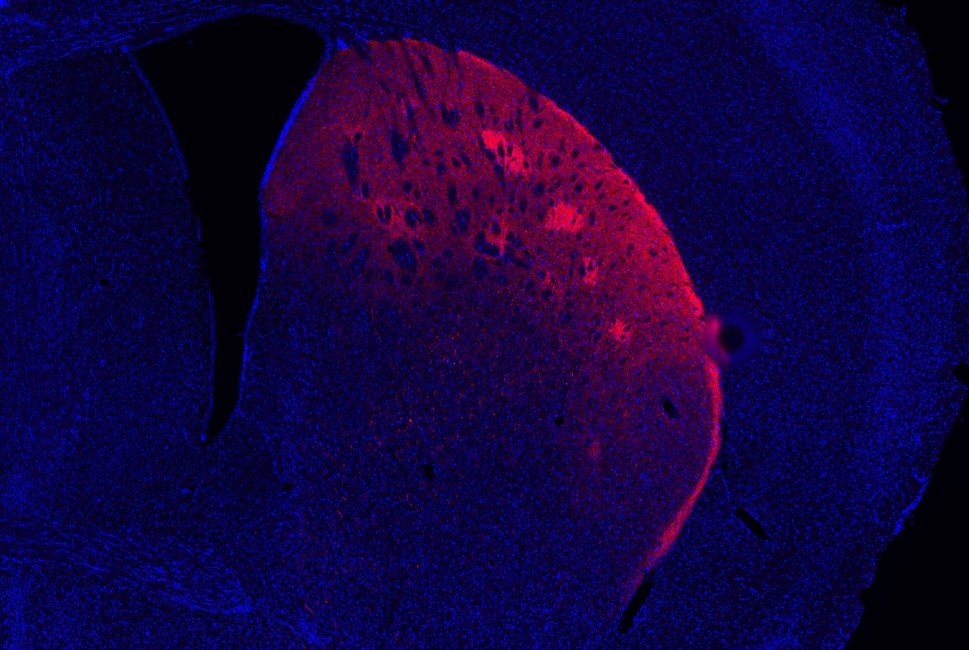
Fusobacterium (white dots) is highly expressed near the uterus (endometrium) of endometriosis patients.  (Credit: Professor Yutaka Kondo)

A research group from the Graduate School of Medicine and iGCORE at Nagoya University in Japan, has discovered that using an antibiotic to target Fusobacterium reduced the formation of lesions associated with endometriosis, a gynecological disorder characterized by endometrial tissue usually found inside the uterus being found outside it. Their findings suggest an alternative treatment for this disorder. The study was published in Science Translational Medicine.

Endometriosis affects one in ten women between the ages of 15 and 49. The disorder can cause lifelong health problems, including pelvic pain and infertility...

Read More

Serotonin Booster leads to Increased Functional Brain Connectivity

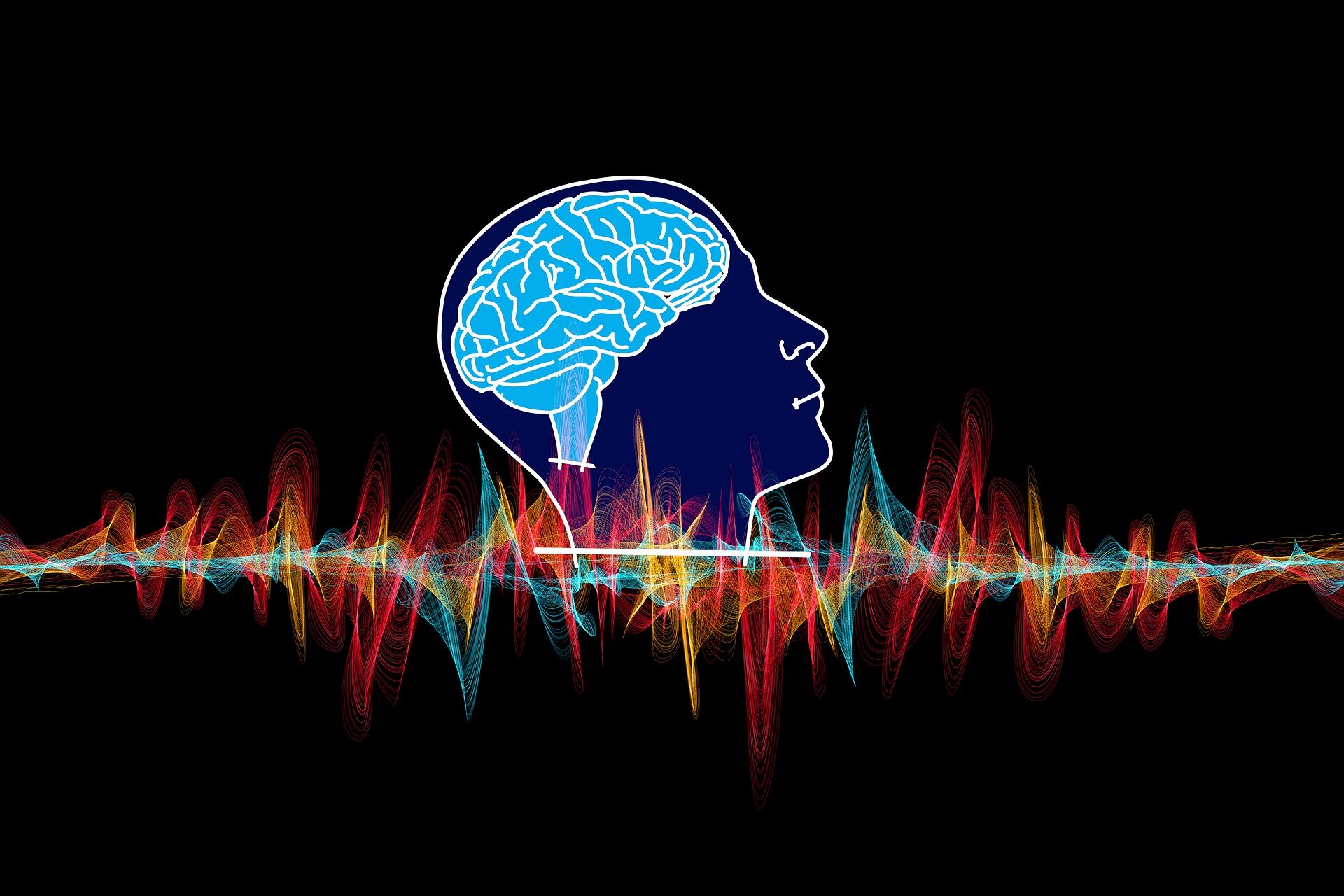
brain activity on prucalopride
This figure shows that the healthy participants who received prucalopride had greater functional connectivity between key cognitive regions (the posterior / anterior cingulate cortices) and a major cognitive network (the central executive network). That is, they appeared to be strengthening their connectivity within cognitive networks (Credit: de Cates, et al., Biological Psychiatry: Cognitive Neuroscience and Neuroimaging).

Cognitive deficits accompany mood disorders and other psychiatric conditions, often with debilitating effects. Limited treatments currently exist, but studies in animals and humans have pointed to drugs such as the laxative prucalopride that activate serotonin receptors as a potential therapeutic for the symptoms...

Read More

A Plant-based, Oral delivery of Insulin Regulates Blood Sugar Levels Similar to Natural Insulin: Study

Oral versus injectable insulin and insulin drug delivery methods. (Image: Courtesy of Henry Daniell)

Insulin production has, for the last 50 or so years, come with some risks to the patient. Even so, the medication is lifesaving for the estimated 537 million adults living with diabetes worldwide, with that number expected to grow.

Recent clinical studies show that injection via insulin pens can cause insulin to reach the bloodstream so quickly that hypoglycemia, or blood sugar levels that dip below the healthy range, may result. Automated insulin pumps can deliver precise insulin and minimize this risk but are expensive and available only to a small portion of diabetes patients around the world.

Now, a plant-based, oral delivery of proinsulin could address these drawbacks, accord...

Read More