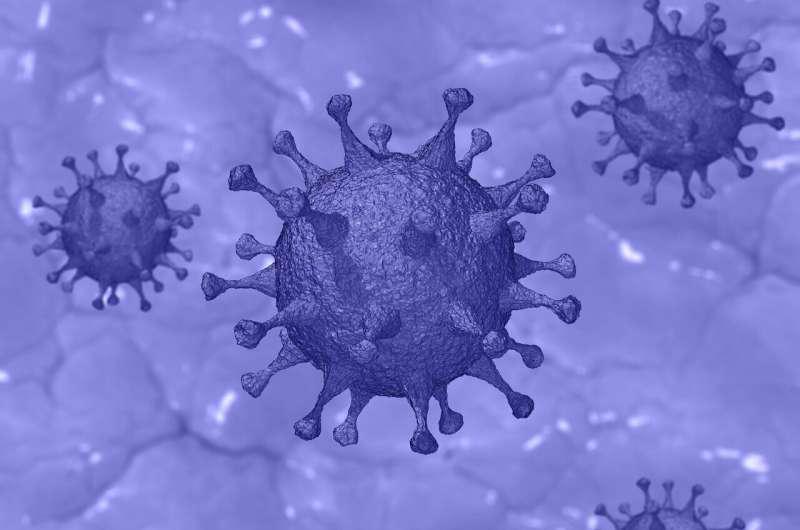
Neutralizing the bacterially derived cytotoxic bomb: the pneumococci lie in the background, an array of macrophages and dendritic cells are arranged around the central image of a T cell. Rows of TCRs interacting with the identified pneumolysin epitope bound to HLA (white) cross the length and breadth of the artwork, emphasising their centrality in the immune response. Artwork by Dr. Erica Tandori.
Typically T cells of the immune system respond to a specific feature (antigen) of a microbe, thereby generating protective immunity. As reported in the journal Immunity, an international team of scientists have discovered an exception to this rule...
Helping your mother make pancakes when you were three…riding your bike without training wheels…your first romantic kiss: How do we retain vivid memories of long-ago events? As described in a paper published in Neuron, researchers at Albert Einstein College of Medicine have found the explanation.
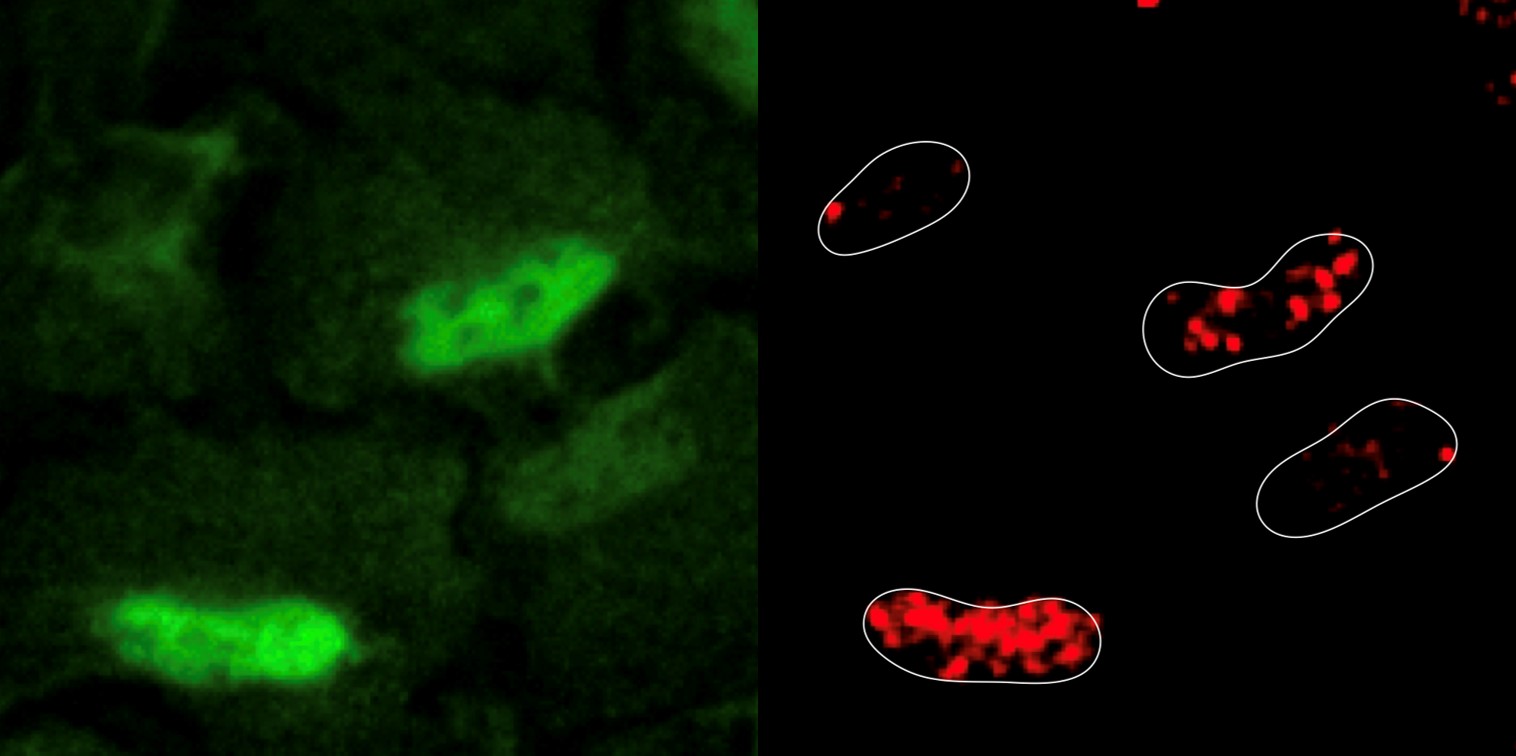
“The ability to learn new information and store it for long periods is one of the brain’s most remarkable features,” said Robert H. Singer, Ph.D., a co-corresponding author of the paper. “We’ve made a startling discovery in mice regarding the molecular basis for making those long-term memories.” Dr. Singer is professor of cell biology and in the Dominick P...
Millions of Americans use insulin injections to boost levels and treat diabetes, but too much insulin can be deadly too. Researchers have identified a key player in preventing “insulin shock” that might also prove an effective alternative to the hormone. Agamatrix
Researchers describe a key player in the defense mechanism that safeguards against excessive insulin in the body, which can be as harmful as too little. Just over a century has passed since the discovery of insulin, a time period during which the therapeutic powers of the hormone have broadened and refined. Insulin is an essential treatment for type 1 diabetes and often for type 2 diabetes, as well. Roughly 8.4 million Americans use insulin, according to the American Diabetes Association.
Wake Forest Institute for Regenerative Medicine (WFIRM) scientists have created a promising injectable cell therapy to treat osteoarthritis that both reduces inflammation and also regenerates articular cartilage.
Recently identified by the Food and Drug Administration as a public health crisis, osteoarthritis affects more than 520 million people worldwide who deal with pain and inflammation. Osteoarthritis is typically induced by mechanical or traumatic stress in the joint, leading to damaged cartilage that cannot be repaired naturally.Read More
Recent Comments