


- Largest 2D map of the universe helps scientists discover new gravitational lenses
- Helping others linked to younger-looking adult brains, even after accounting for health and lifestyle
- Undergraduate student may have solved puzzle regarding isolated galaxies that have stopped producing stars
- Levitating glass sphere becomes entangled with light at room temperature
Category Health/Medical
New Injectable Cell Therapy could Resolve Osteoarthritis
April 25, 2023,
 Health/Medical, Biology/Biotechnology
Wake Forest Institute for Regenerative Medicine (WFIRM) scientists have created a promising injectable cell therapy to treat osteoarthritis that both reduces inflammation and also regenerates articular cartilage.
Recently identified by the Food and Drug Administration as a public health crisis, osteoarthritis affects more than 520 million people worldwide who deal with pain and inflammation. Osteoarthritis is typically induced by mechanical or traumatic stress in the joint, leading to damaged cartilage that cannot be repaired naturally.Read More
Common Infections linked to Poorer Cognitive Performance in Middle-Aged and Older Adults
April 24, 2023,
Health/Medical, Biology/Biotechnology

Findings, based on an analysis of 575 study participants, support the hypothesis that infections may negatively affect brain health. A new study from a team led by researchers at the Johns Hopkins Bloomberg School of Public Health found that signs of common infections in a sample of middle-aged and older adults were associated with poorer performance on a test of global cognitive function.
The results add to a growing body of evidence suggesting that infections in mid- and late-life can worsen cognitive performance and may increase the risk of Alzheimer’s disease and other dementias.
For their analysis, the researchers examined antibody levels to five common pathogens in 575 adults, ages 41 to 97...
Read More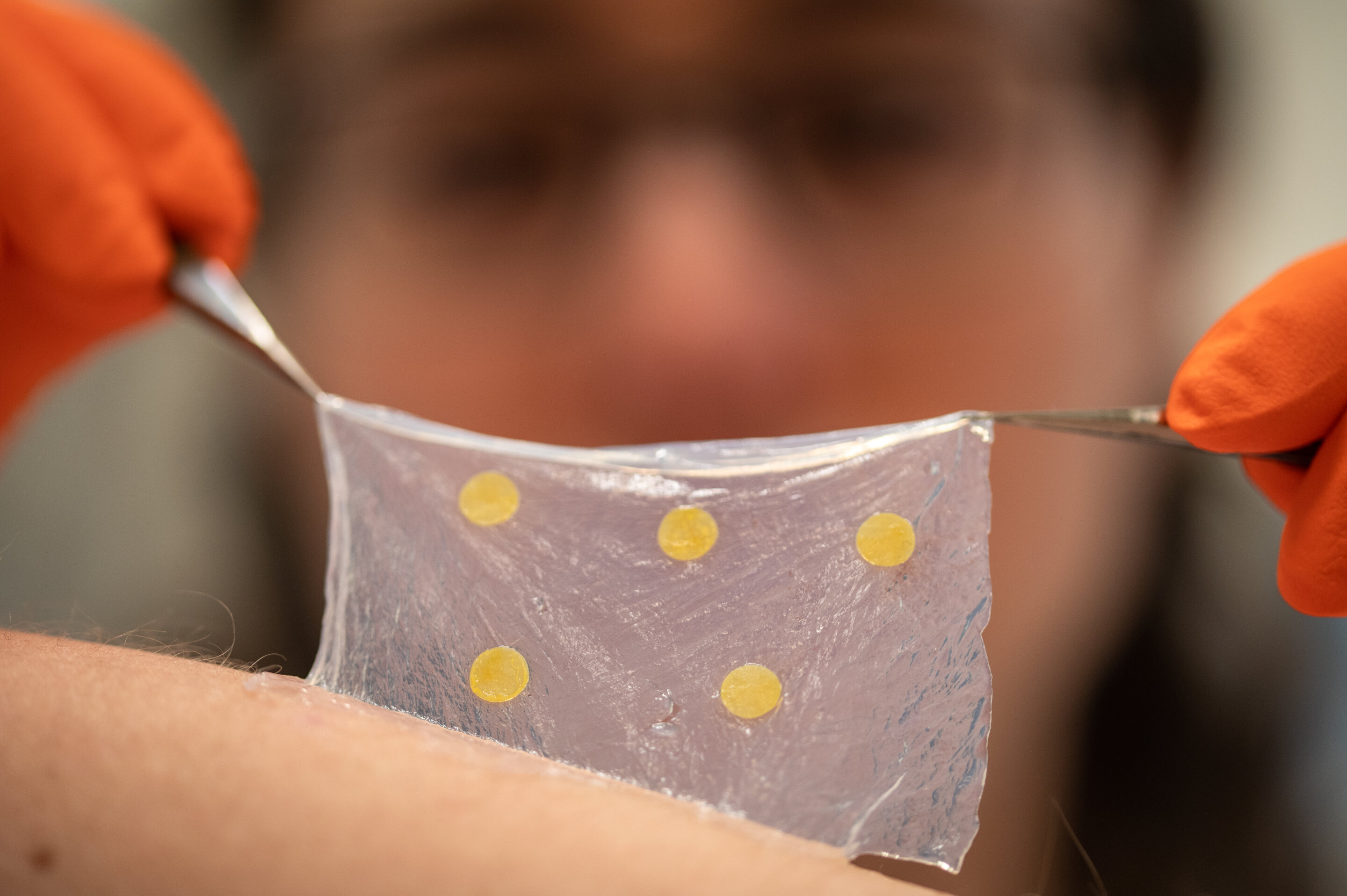
CREDIT: Olov Planthaber
A nanocellulose wound dressing that can reveal early signs of infection without interfering with the healing process has been developed by researchers at Linköping University, Sweden. Their study, published in Materials Today Bio, is one further step on the road to a new type of wound care.
The skin is the largest organ of the human body. A wound disrupts the normal function of the skin and can take a long time to heal, be very painful for the patient, and may—in a worst-case scenario—lead to death if not treated correctly. Also, hard-to-heal wounds pose a great burden on society, representing about half of all costs of out-patient care.
In traditional wo...
Read MoreGraphene ‘Tattoo’ treats Cardiac Arrhythmia with Light
April 18, 2023,
Health/Medical, Biology/Biotechnology
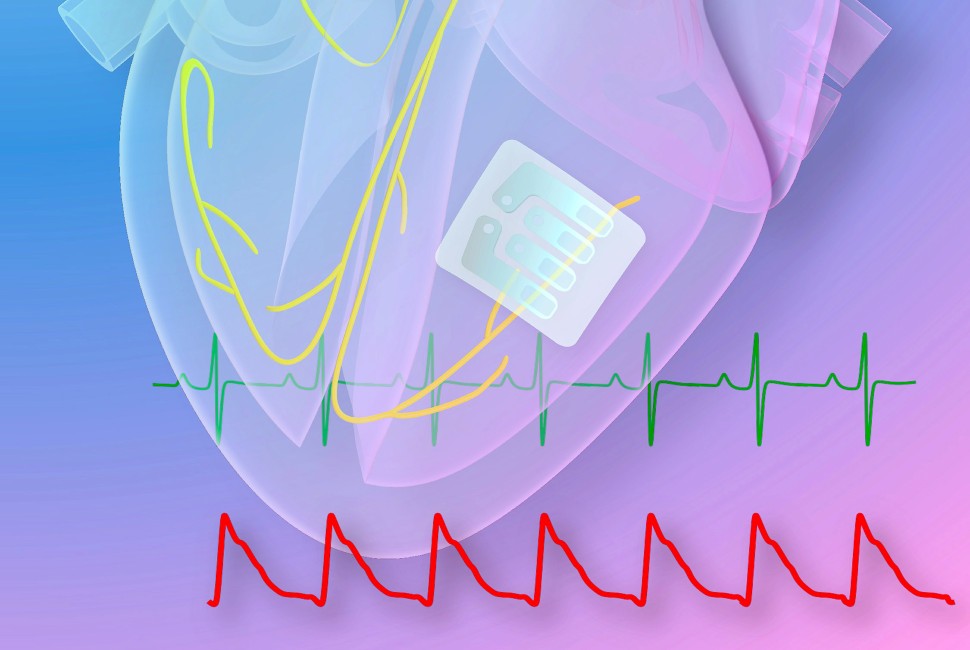
Researchers led by Northwestern University and the University of Texas at Austin (UT) have developed the first cardiac implant made from graphene, a two-dimensional super material with ultra-strong, lightweight and conductive properties.
Similar in appearance to a child’s temporary tattoo, the new graphene “tattoo” implant is thinner than a single strand of hair, yet still functions like a classical pacemaker. But unlike current pacemakers and implanted defibrillators, which require hard, rigid materials that are mechanically incompatible with the body, the new device softly merges with the heart to simultaneously sense and treat irregular heartbeats...
Read More
Recent Comments