Category Health/Medical

OHSU Scientists Identify Molecule that could help Treat Parkinson’s

Locomotion activates PKA through dopamine and adenosine in striatal neurons  | Nature
: In vivo PKA activity imaging reveals cell-type-specific modulation of PKA by dopamine.

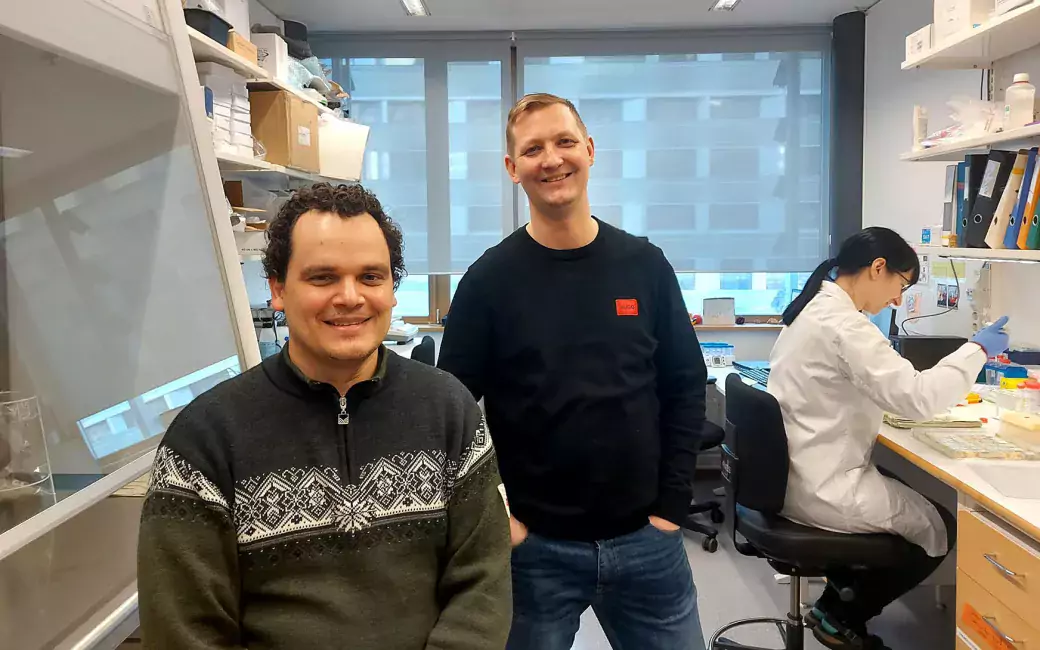
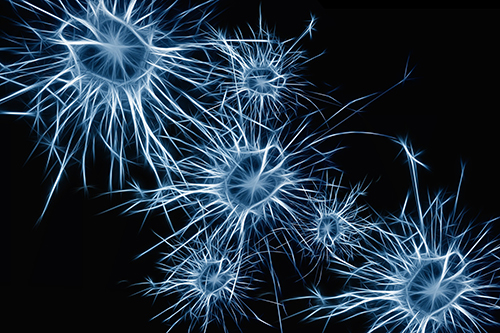
Discovery could immediately suggest new avenues for drug development. Researchers at Oregon Health & Science University have discovered that the neurotransmitter adenosine effectively acts as a brake to dopamine, another well-known neurotransmitter involved in motor control.

Scientists found that adenosine operates in a kind of push-pull dynamic with dopamine in the brain; the discovery published today in the journal Nature.

“There are two neuronal circuits: one that helps promote action and the other that inhibits action,” said senior author Haining Zhong, Ph.D., scientist with the OHSU Vollum Institute...

Read More

New Hope for Patients with Severe Bone Loss

FmocFF/hyaluronic acid (HA) composite hydrogel formation and structural characterization. (a) Molecular structure of the FmocFF peptide. (b) Molecular structure of HA. (c) Inverted vials of FmocFF (left), FmocFF/HA composite hydrogel (middle) and HA (right). (d) Transmitting electron microscopy micrograph of the FmocFF/HA composite hydrogel. (e) Scanning electron microscopy micrograph of the FmocFF/HA composite hydrogel. (f) The FmocFF/HA composite hydrogel was formed in a 9 mm diameter × 2 mm depth silicone mould. (g) The FmocFF/HA composite hydrogel is injected through a 27-gauge needle. [Colour figure can be viewed at wileyonlinelibrary.com

Researchers induced bone regeneration with a special hydrogel that mimics the bone’s natural environment...

Read More

Hormone discovery could Predict Long Term Health of Men

ISMalehormone1122JI

Researchers have discovered the vital role of a hormone, that develops in men during puberty, in providing an early prediction of whether they could develop certain diseases in later life.

Scientists from the University of Nottingham have discovered that the novel insulin-like peptide hormone, called INSL3, is consistent over long periods of time and is an important early biomarker for prediction of age-linked disease. Their latest findings have been published today in Frontiers in Endocrinology.

INSL3 is made by the same cells in the testes that make testosterone, but unlike testosterone which fluctuates throughout a man’s life, INSL3 remains consistent, with the level at puberty remaining largely the same throughout a man’s life, decreasing only slightly into old age...

Read More

Study shows that Adaptive Immune Responses can cause Cellular Loss in the Aging-Related Brain

Study shows that adaptive immune responses can cause cellular loss in the aging brain
The cell type composition of scRNA-seq was analyzed and oligodendrocytes were separated into four different sub-clusters. Two previously unknown oligodendrocyte clusters appeared in aged mice, which were enriched in the white matter. One was associated with injury responses. Because this cluster was highly enriched in the aged white matter, it was named aging-related oligodendrocytes (Fig. 1b-c, e). Also a smaller interferon-responsive oligodendrocyte subpopulation (IRO) was characterized by the expression of genes commonly associated with an interferon response. Credit: Kaya et al.

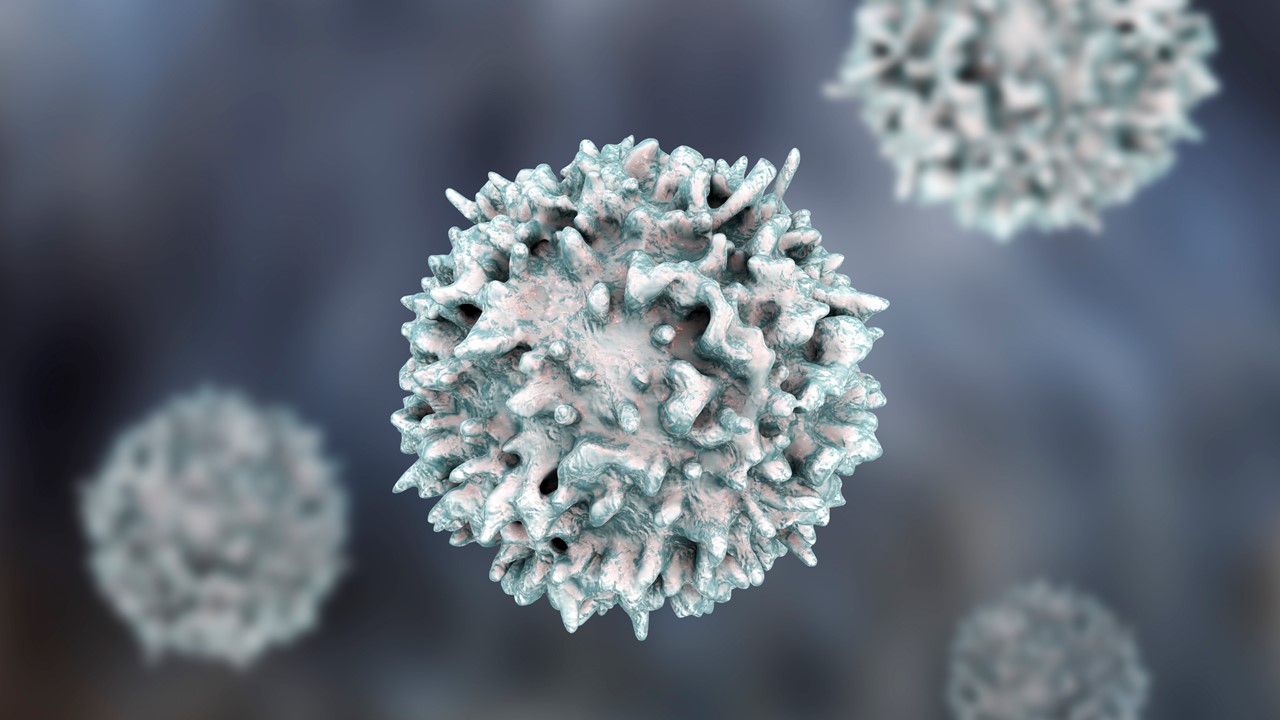
Past neuroscience studies have consistently demonstrated that the aging of the mammalian nervous system is liked with a decline in the volume and functioning of white matter, nerve fibers found in deep brai...

Read More