Category Health/Medical

Revealing Roles of Dementia Proteins in Normal Memory

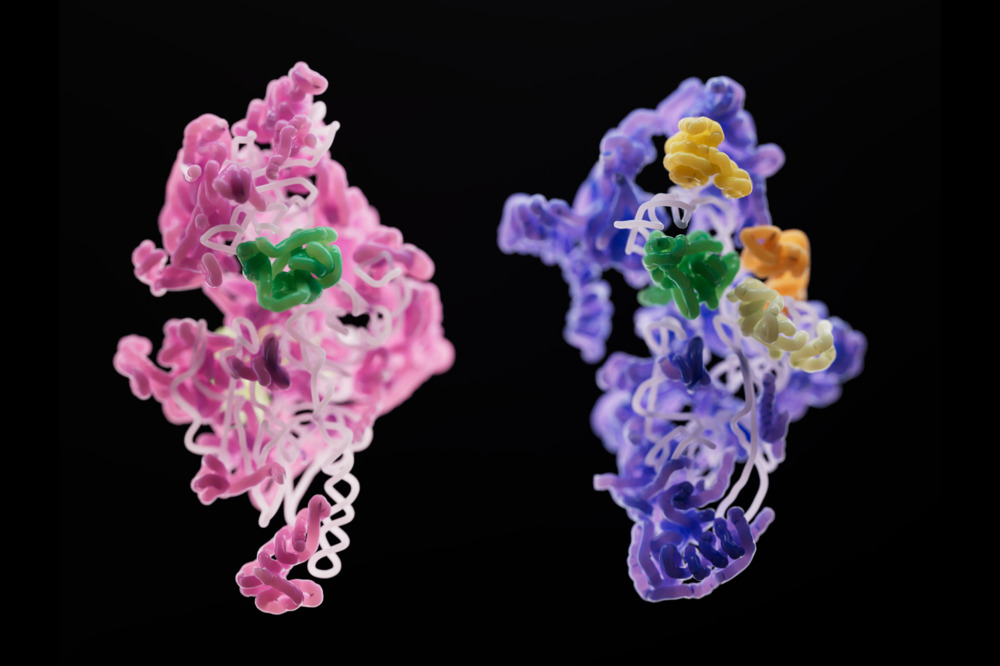
This study maps tau interactomes in mouse brain and neurons using proximity labelling. Direct interaction of tau with the vesicle and receptor trafficking factor NSF inhibits NSF ATPase activity and controls synaptic glutamate receptors underlying associative learning.

New research has revealed how the tau protein, a critical element in the formation of Alzheimer’s disease, is also involved in normal learning processes in the healthy brain — potentially providing a focal point for future drug therapies.

In the study, published in The EMBO Journal, Flinders University researchers have provided new insights into the tau protein, whose role has long been enigmatic, finding it may help molecular processes of memory formation.

Employing a sensitive method named proximity labelling, th...

Read More

Harnessing the Heart Regeneration Ability of Marsupials

diagram of mouse and opposum heart regeneration

Wataru Kimura and colleagues at the RIKEN Center for Biosystems Dynamics Research (BDR) in Japan have discovered how the hearts of newborn marsupials retain the ability to regenerate for several weeks. Using this knowledge, the team was able to repair mouse hearts that were damaged a week after birth. The findings, published in the journal Circulation, are expected to contribute to the development of regenerative heart medicines.

Heart disease is a leading cause of human death and is associated with numerous other secondary illnesses. For humans and other mammals, damaged heart muscle—such as occurs after a heart attack—cannot be naturally repaired because matured heart-muscle cells do not regenerate...

Read More

Surprising Culprit Worsens Stroke, TBI damage

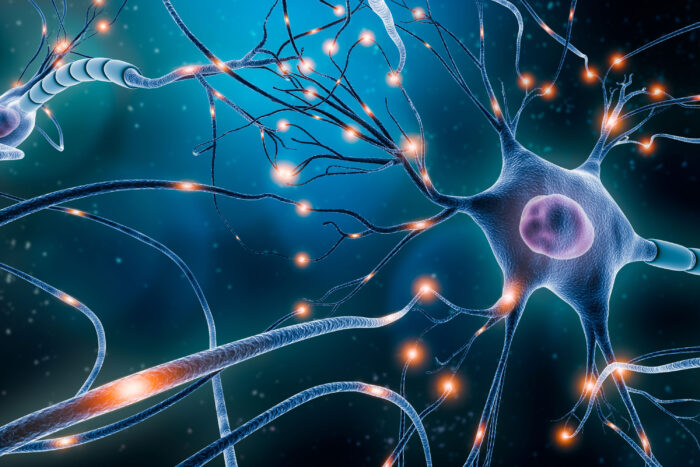
In the aftermath of a stroke or traumatic brain injury (TBI), a group of amino acids that typically support brain function contribute significantly to the brain destruction that can follow both these injuries, scientists report.

The new study provides for the first time the surprising evidence that four common nonexcitatory amino acids that usually make proteins which are essential to brain function, instead cause irreversible, destructive swelling of both the astrocytes that support neurons and the neurons themselves, says Dr. Sergei Kirov, neuroscientist in the Department of Neuroscience and Regenerative Medicine at the Medical College of Georgia.

“There are many ways to kill neurons...

Read More

People with Similar Faces likely have Similar DNA

Figure thumbnail fx1
Highlights
Facial recognition algorithms identify “look-alike” humans for multiomics studies
Intrapair look-alikes share common genetic sequences such as face trait variants
DNA methylation and microbiome profiles only contribute modestly to human likeness
The identified SNPs impact physical and behavioral phenotypes beyond facial features

A collection of photos of genetically unrelated lookalikes, along with DNA analysis, revealed that strong facial similarity is associated with shared genetic variants. The work appears August 23rd in the journal Cell Reports.

“Our study provides a rare insight into human likeness by showing that people with extreme lookalike faces share common genotypes, whereas they are discordant at the epigenome and microbiome levels,” says senior a...

Read More