

People who carry the APOE2 version of the apolipoprotein E gene are more likely to live to advanced age and are partly protected against Alzheimer’s disease, but scientists have struggled to explain why...
Read More

May 19, 2026,
 Health/Medical, Biology/Biotechnology
People who carry the APOE2 version of the apolipoprotein E gene are more likely to live to advanced age and are partly protected against Alzheimer’s disease, but scientists have struggled to explain why...
Read More
May 17, 2026,
Health/Medical, Biology/Biotechnology

A supplement widely promoted for athletic performance may interfere with some of the heart’s beneficial adaptations to exercise, according to new Dalhousie University research published in Scientific Reports.
While these supplements are often promoted to support exercise performance and cardiovascular function, researchers found the combination of sodium nitrate and running prevented several beneficial cardiac improvements normally associated with exercise in females.
Those benefits included changes linked to heart structure, ventricular function and calcium handling in heart cells, which helps regulate contraction and relaxation...
Read More
May 16, 2026,
Health/Medical, Biology/Biotechnology

A research project led by the Institute for Research in Nutrition and Food Safety (INSA) and the Faculty of Pharmacy and Food Sciences at the University of Barcelona, together with the Molecular Biology Institute of Barcelona (IBMB) of the CSIC (which stands for Consejo Superior de Investigaciones Científicas), has successfully designed and tested a gluten-degrading molecule that is a promising ally in the management of celiac disease, an autoimmune disease whose symptoms are triggered by the consumption of gluten and other prolamins found in cereals.
At present, there is a complete lack of treatment options beyond a diet free from gluten, which is difficult to maintain in Western societies where diets rely h...
Read More
May 12, 2026,
Health/Medical, Biology/Biotechnology
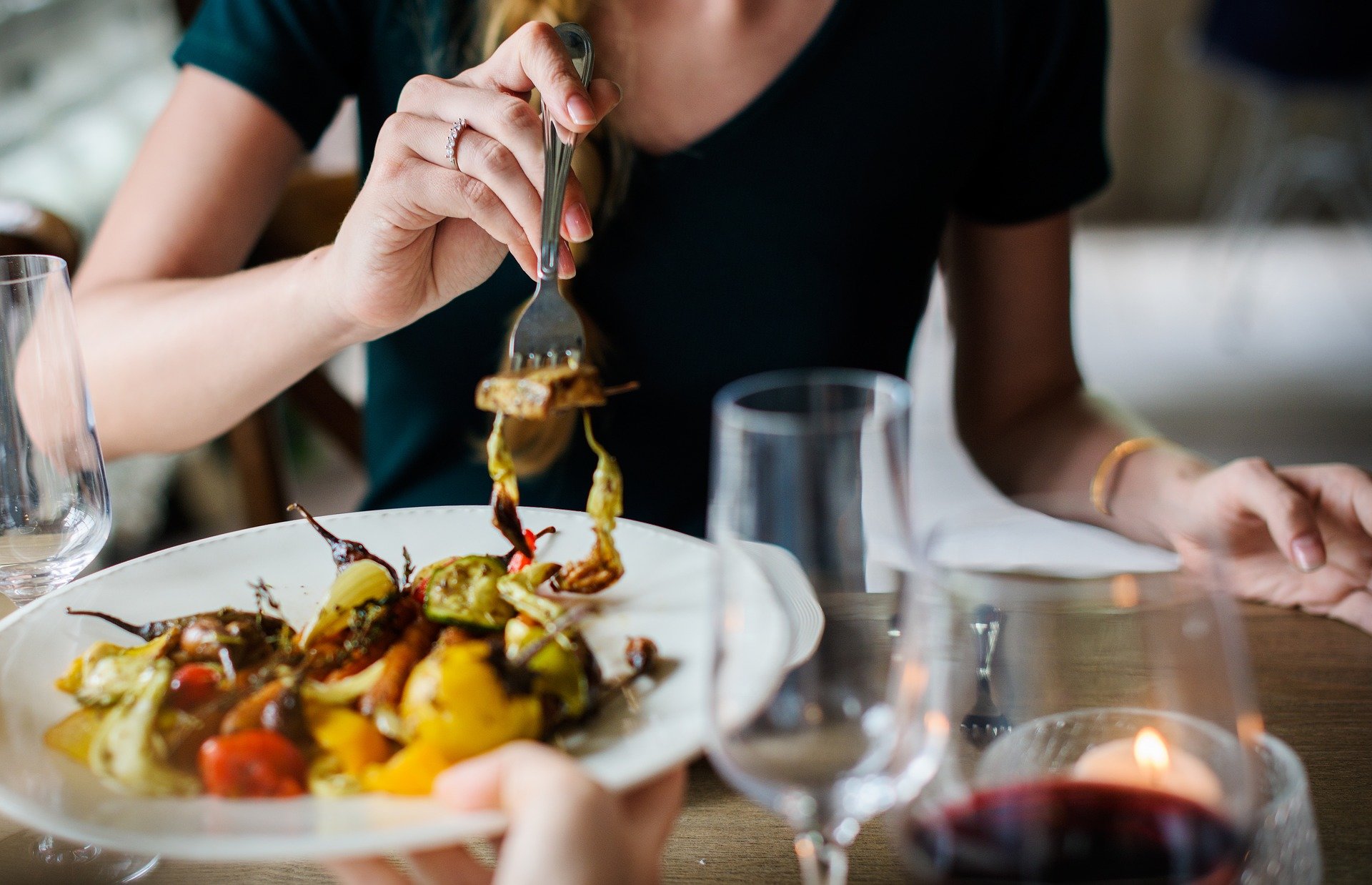
Search the web, and you’ll find any number of biohacking techniques for promoting healthy lifespan, from taking cold baths to breathing pressurized oxygen to sleeping under a red light.
There’s a simpler path to healthy aging, and science from Tufts and elsewhere has shown that it really works: Just eat a little bit less. Cutting down on calorie intake by as little as 10–15% can lower the risk of developing age-related illnesses by improving cardiovascular health, lowering blood pressure, and improving glucose tolerance, among many other benefits. For some people, reaping these benefits can be as easy as giving up one large latte per day.
The work is published in The American Journal of Clinical Nutrition.
“It doesn’t have to be some extreme measure...
Read More
Recent Comments