Category Health/Medical

Scientists Reveal New Function of Enzyme ADAR1 Linking it to Age-Related Diseases via a Role Independent of RNA-editing during Aging

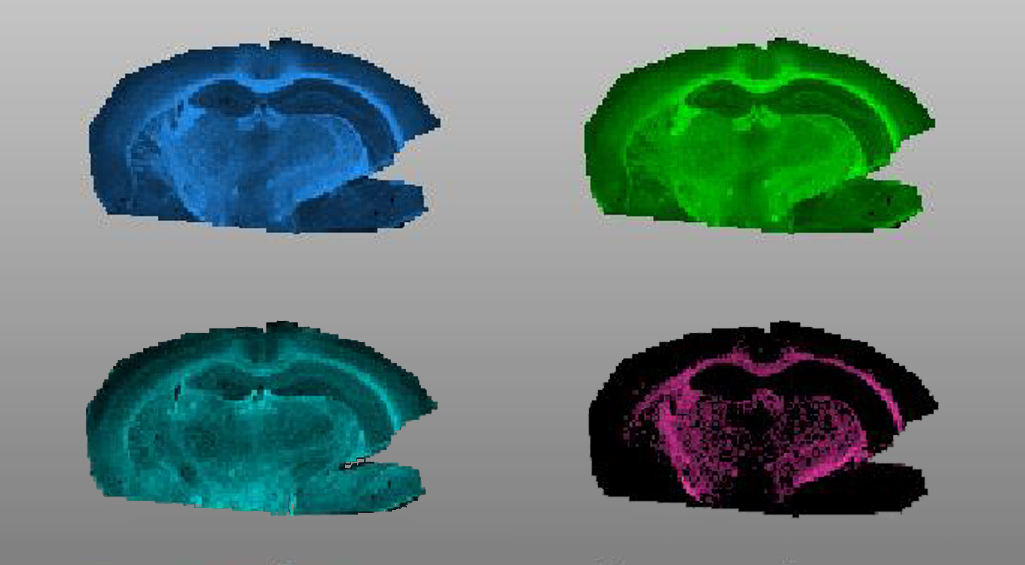
extended data figure 9
ADAR1 regulates SIRT1 expression.

Aging and age-related disorders pose a complex challenge to the biomedical research community. To better understand how senescence is regulated is of high significance to promote healthy aging and treat age-associated disorders. In a research paper published today in Nature Cell Biology, Rugang Zhang, Ph.D., deputy director of the Ellen and Ronald Caplan Cancer Center, Christopher M. Davis Endowed Professor, and program leader of the Immunology, Microenvironment & Metastasis Program, at The Wistar Institute, and his team revealed a novel ADAR1-SIRT1-p16INK4a axis in regulating cellular senescence and its potential implications in tissue aging.

“Understanding the basic mechanism underlying tissue aging is challenging and cellular senescence offers an...

Read More

How Mitochondrial Damage Ignites the ‘Auto-Inflammatory Fire’

A colorized transmission electron micrograph depicts cellular mitochondria with its characteristic internal folds called cristae.
A colorized transmission electron micrograph depicts cellular mitochondria with its characteristic internal folds called cristae. Thomas Deerinck, National Center for Microscopy and Imaging Research, UC San Diego.

Researchers describe the biochemical pathway that results in the generation of oxidized mitochondrial DNA, how it is expelled by mitochondria and how it triggers the complex and destructive inflammatory response that follows.

Mitochondria are self-contained organelles (they possess their own mini-chromosome and DNA) residing within cells and are charged with the job of generating the chemical energy needed to fuel functions essential to life and well-being.

When stressed, damaged or dysfunctional, mitochondria expel their DNA (mtDNA), oxidized and cleaved, into the cyto...

Read More

Turning White Blood Cells into Medicinal Microrobots with Light

Two images of a neutrobot moving toward a nanoparticle
A laser precisely guided a “neutrobot” toward a nanoparticle (left image), which was picked up and transported away (right image).
Credit: Adapted from ACS Central Science 2022, DOI: 10.1021/acscentsci.2c00468

Medicinal microrobots could help physicians better treat and prevent diseases. But most of these devices are made with synthetic materials that trigger immune responses in vivo. Now, for the first time, researchers reporting in ACS Central Science have used lasers to precisely control neutrophils — a type of white blood cell — as a natural, biocompatible microrobot in living fish. The “neutrobots” performed multiple tasks, showing they could someday deliver drugs to precise locations in the body.

Microrobots currently in development for medical applications would require in...

Read More

Two different White Blood Cell types play Opposing Roles in affecting Heartbeat irregularities after heart attack

Two different white blood cell types play opposing roles in affecting heartbeat irregularities after heart attack
Summary of findings. Credit: Nature Cardiovascular Research (2022). DOI: 10.1038/s44161-022-00094-w

Neutrophils promote irregularities while macrophages protect against them. Patients with heart disease are at risk of experiencing a potentially lethal “electrical storm” involving recurrent episodes of a type of irregular heartbeat called ventricular tachycardia (VT).

Electric shock therapy is used to treat VT following a heart attack, but unfortunately, options to prevent its recurrence are limited.

New research led by investigators at Massachusetts General Hospital (MGH) reveals that two different white blood cell types influence VT in the heart, suggesting that treatments that influence these cells may help reduce patients’ risk of sudden cardiac death.

The work, which is pu...

Read More