Category Health/Medical

Researchers take Important Step towards Development of Biological Dental Enamel

To this day, cavities and damage to enamel are repaired by dentists with the help of synthetic white filling materials. There is no natural alternative to this. But a new 3D model with human dental stem cells could change this in the future. The results of the research led by KU Leuven Professor Hugo Vankelecom and Professor Annelies Bronckaers from UHasselt have been published in Cellular and Molecular Life Sciences.

Our teeth are very important in everyday activities such as eating and speaking, as well as for our self-esteem and psychological well-being. There is relatively little known about human teeth. An important reason is that certain human dental stem cells, unlike those of rodents, are difficult to grow in the lab...

Read More

Stem Cell-based Biomaterial can help Regenerate Tissue associated with Low Back Pain and Spinal issues

Many people have experienced the struggles of dealing with low back pain. A common cause of this pain is degeneration of intervertebral disks (IVDs), which are located between the vertebrae and help give the spinal column its flexibility. Thus, IVD degeneration can lead to more serious conditions such as spinal deformity. In a recent article published in Biomaterials, a team led by researchers at Osaka University and Kyoto University demonstrated that using cartilage tissue derived from human stem cells could help prevent the loss of functionality from IVD degeneration.

It is believed that IVD degeneration originates in the nucleus pulposus (NP), which is composed of NP cells that produce the surrounding extracellular matrix (ECM)...

Read More

How Air Pollution Alters Lung Tissue, increasing Cancer Susceptibility

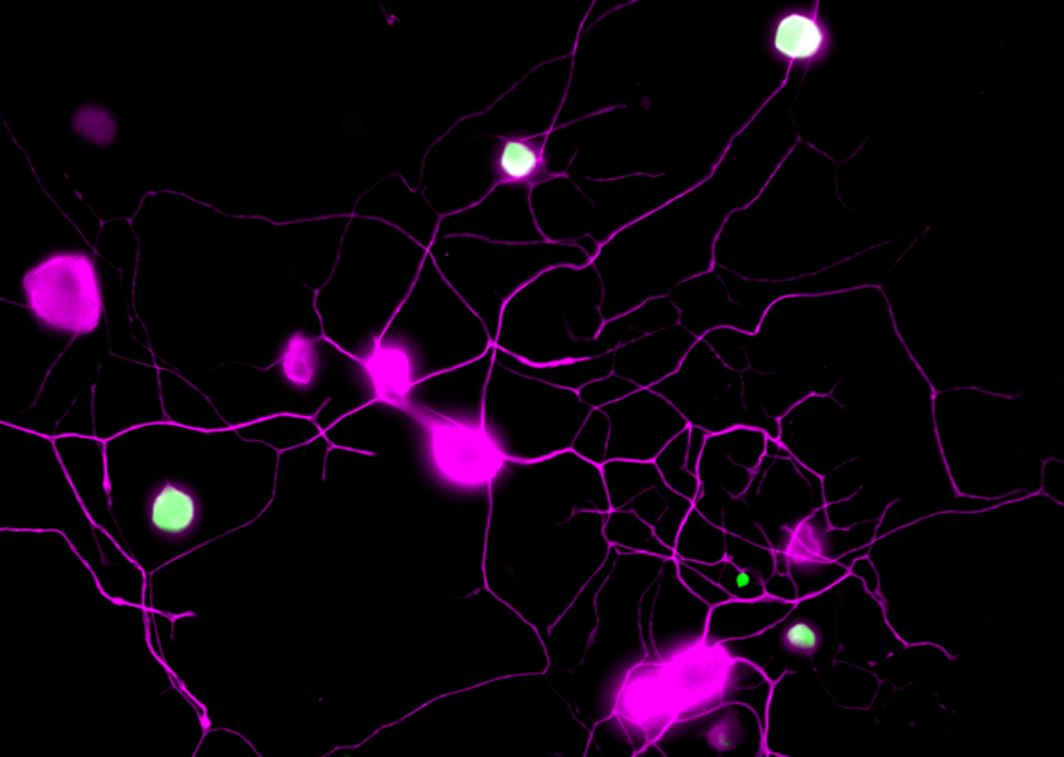
Inhaled fine particulate matter (shown here in red) pulls strings of collagen to disturb the immune defence in mice with lung cancer cells. This activity delays the movement of cytotoxic T-cells (purple) as they migrate towards the cancer cells (green) to destroy them. Image credit: Wang et al. 

Scientists have identified a mechanism that explains how fine air pollution particles might cause lung cancer, according to a study published today in eLife.

The findings could lead to new approaches for preventing or treating the initial lung changes that lead to the disease.

Tiny, inhalable fine particulate matter (FPM) found in air pollutants has been recognised as a Group 1 carcinogen and a substantial threat to global health...

Read More

New knowledge on Lymphoid Cell Maturity could lead to more Effective IBD Therapies

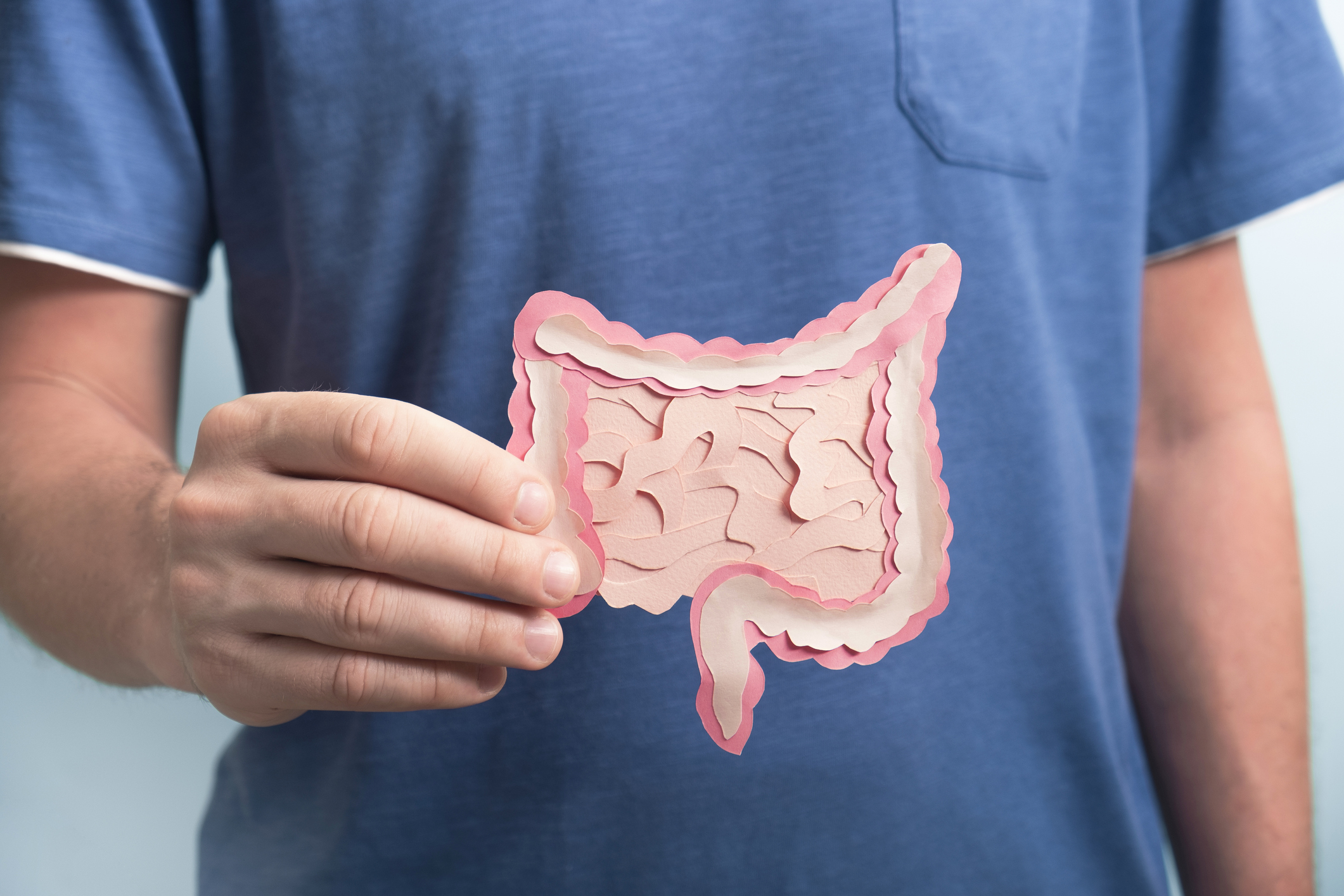
Illustration: GettyImages.

A research group at Karolinska Institutet in Sweden has analysed how certain immune cells known as innate lymphoid cells (ILCs) develop into mature cells that play a part in inflammatory bowel disease (IBD). The findings could pave the way for more effective treatments against IBD, a disease that causes considerable suffering and that is linked to an increased risk of colorectal cancer. The results are published today in the journal Science Immunology.

Inflammatory bowel disease (IBD) is characterised by a chronic inflammation of the gut mucosa that is thought to increase the risk of colon cancer. The disease often debuts before middle age with symptoms such as abdominal pain and weight loss...

Read More