Category Health/Medical

Toxin-producing Yeast Strains in Gut Fuel IBD

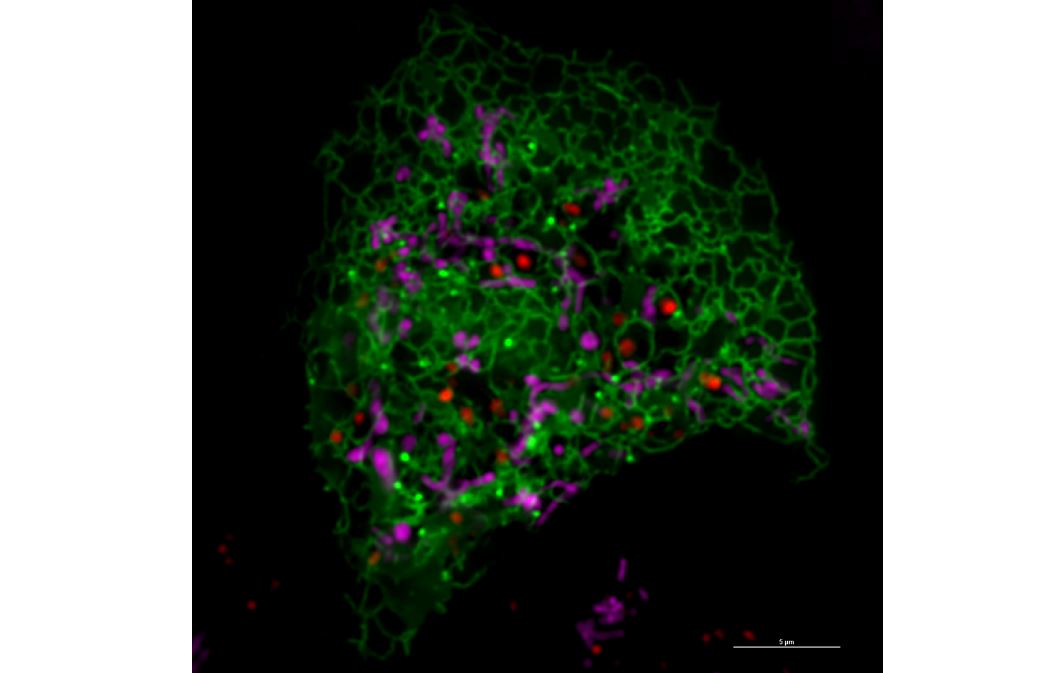
Opportunistic “high-damaging” Candida albicans strain in the colon mucosa of IBD patient secretes the toxin candidalysin (red dots) during the transition from a benign commensal to a pathogenic state and aggravates intestinal inflammation. Credit: Shutterstock

Individual Candida albicans yeast strains in the human gut are as different from each other as the humans that carry them, and some C. albicans strains may damage the gut of patients with inflammatory bowel disease (IBD), according to a new study from researchers at Weill Cornell Medicine. The findings suggest a possible way to tailor treatments to individual patients in the future.

The researchers, who report their findings March 16 in Nature, used an array of techniques to study strains, or genetic variants, of Candida f...

Read More

Spider Silk can Stabilize Cancer-Suppressing Protein

p53 is poorly expressed and conformationally unstable
A spider silk domain boosts p53 translation in vitro
The spider silk-p53 fusion protein adopts a compact state and is biologically active
Reducing N-terminal disorder in fusion proteins increases expression and stability

The p53 protein protects our cells from cancer and is an interesting target for cancer treatments. The problem is, however, that it breaks down rapidly in the cell. Researchers at Karolinska Institutet in Sweden have now found an unusual way of stabilising the protein and making it more potent. By adding a spider silk protein to p53, they show that it is possible to create a protein that is more stable and capable of killing cancer cells. The study is published in the journal Structure.

P53 plays a key r...

Read More

The Next Generation of Robots will be Shape-Shifters

Active matter: Wrapping an elastic ball (orange) in a layer of tiny robots (blue) allows researchers to program shape and behaviour. Image credit: Jack Binysh

Physicists have discovered a new way to coat soft robots in materials that allow them to move and function in a more purposeful way. The research, led by the UK’s University of Bath, is described today in Science Advances.

Authors of the study believe their breakthrough modelling on ‘active matter’ could mark a turning point in the design of robots. With further development of the concept, it may be possible to determine the shape, movement and behaviour of a soft solid not by its natural elasticity but by human-controlled activity on its surface.

The surface of an ordinary soft material always shrinks into a sphere...

Read More

Close the Blinds during Sleep to Protect your Health

Exposure to even moderate ambient lighting during nighttime sleep, compared to sleeping in a dimly lit room, harms your cardiovascular function during sleep and increases your insulin resistance the following morning, reports a new Northwestern Medicine study.

“The results from this study demonstrate that just a single night of exposure to moderate room lighting during sleep can impair glucose and cardiovascular regulation, which are risk factors for heart disease, diabetes and metabolic syndrome,” said senior study author Dr. Phyllis Zee, chief of sleep medicine at Northwestern University Feinberg School of Medicine and a Northwestern Medicine physician. “It’s important for people to avoid or minimize the amount of light exposure during sleep.”

There is already evidence that li...

Read More