Category Health/Medical

Treating Tough Tumors by exploiting their Iron ‘Addiction’

A microscopic image of KRAS-driven lung cancer (purple) in a mouse model. Researchers found that KRAS-driven tumors have higher levels of ferrous iron, which correlates with shorter survival times. Image by National Cancer Institute, National Institutes of Health

Researchers at the University of California, San Francisco, have successfully leveraged an FDA-approved drug to halt growth of tumors driven by mutations in the RAS gene, which are famously difficult to treat and account for about 1 in 4 cancer deaths.

Taking advantage of what they discovered to be the cancer cells’ appetite for a reactive form of iron, the researchers tweaked an anticancer drug to operate only in these iron-rich cells, leaving other cells to function normally...

Read More

Novel Treatment makes Pancreatic Cancer Susceptible to Immunotherapy, mouse study shows

New research from Washington University School of Medicine in St. Louis shows that blocking a major inflammatory pathway in pancreatic cancer makes the tumors sensitive to chemotherapy and a type of immunotherapy that helps the immune system’s T cells to attack cancer cells. Above, pancreatic cancer cells are shown in green. T cells are in red.

Washington University to lead national clinical trial investigating therapy. A new study – in mice – suggests that blocking a major inflammatory pathway that is activated in pancreatic cancer makes the tumors sensitive to chemotherapy and a type of immunotherapy that prompts the immune system’s T cells to attack the cancer cells. The therapy more than doubled survival in a mouse model of pancreatic cancer.

Pancreatic cancer is one of the most...

Read More

More Alcohol, Less Brain: Association begins with an average of just one drink a day

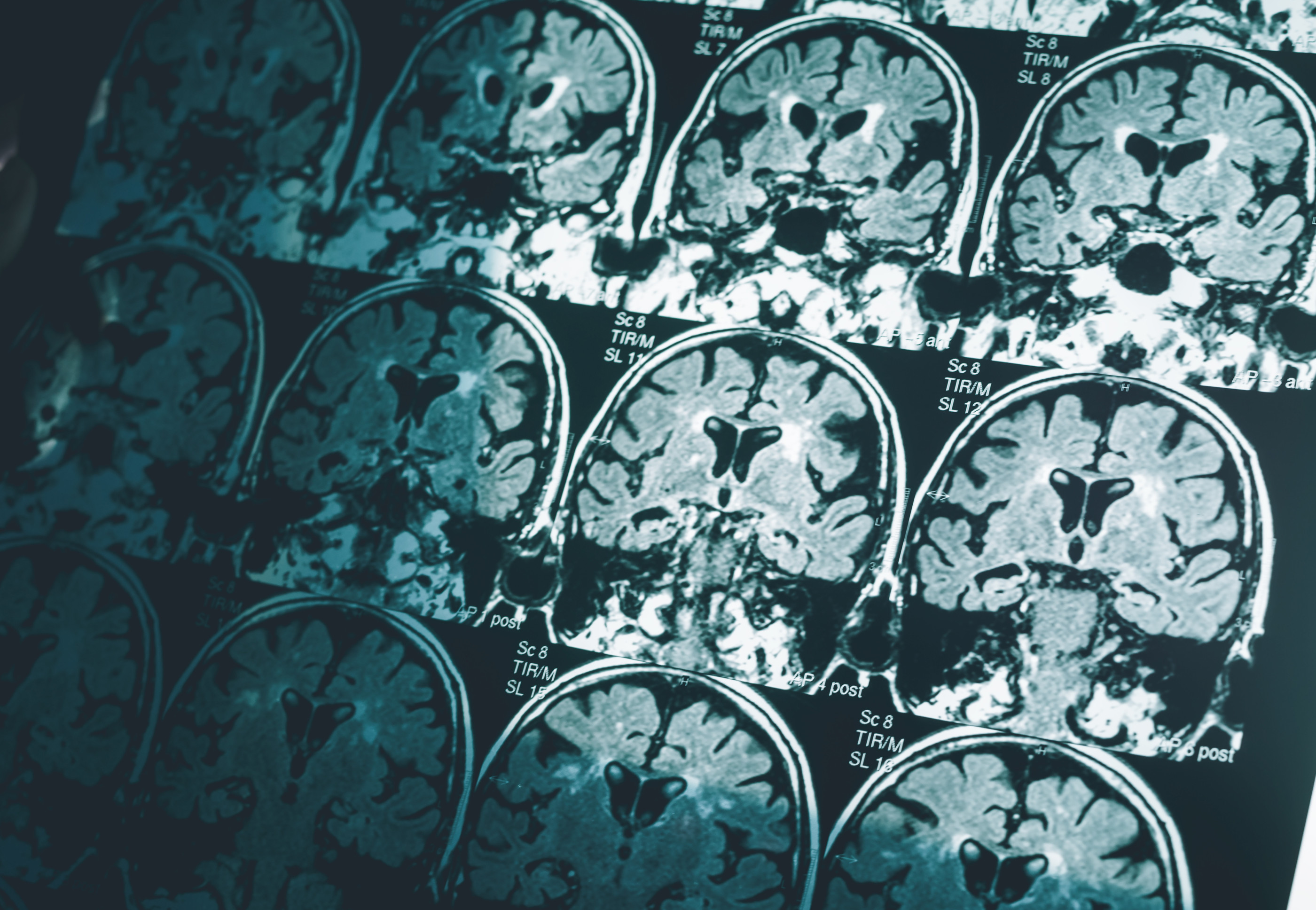
Even light-to-moderate drinking is associated with harm to the brain, according to a new study. Researchers analyzed data from more than 36,000 adults that found a link between drinking and reduced brain volume that begins at an average consumption level of less than one alcohol unit a day — the equivalent of about half a beer — and rises with each additional drink.

The research, using a dataset of more than 36,000 adults, revealed that going from one to two drinks a day was linked with changes in the brain equivalent to aging two years. Heavier drinking was associated with an even greater toll. The science on heavy drinking and the brain is clear: The two don’t have a healthy relationship...

Read More

Single Test for over 50 Genetic Diseases will cut Diagnosis from Decades to Days

Validating genetic diagnosis of neurological and neuromuscular diseases using faster, smaller, cheaper sequencing technologies. A new DNA test, developed by researchers at the Garvan Institute of Medical Research in Sydney and collaborators from Australia, UK and Israel, has been shown to identify a range of hard-to-diagnose neurological and neuromuscular genetic diseases quicker and more-accurately than existing tests.

‘We correctly diagnosed all patients with conditions that were already known, including Huntington’s disease, fragile X syndrome, hereditary cerebellar ataxias, myotonic dystrophies, myoclonic epilepsies, motor neuron disease and more,’ says Dr Ira Deveson, Head of Genomics Technologies at the Garvan Institute and senior author of the study.

The diseases covered ...

Read More