
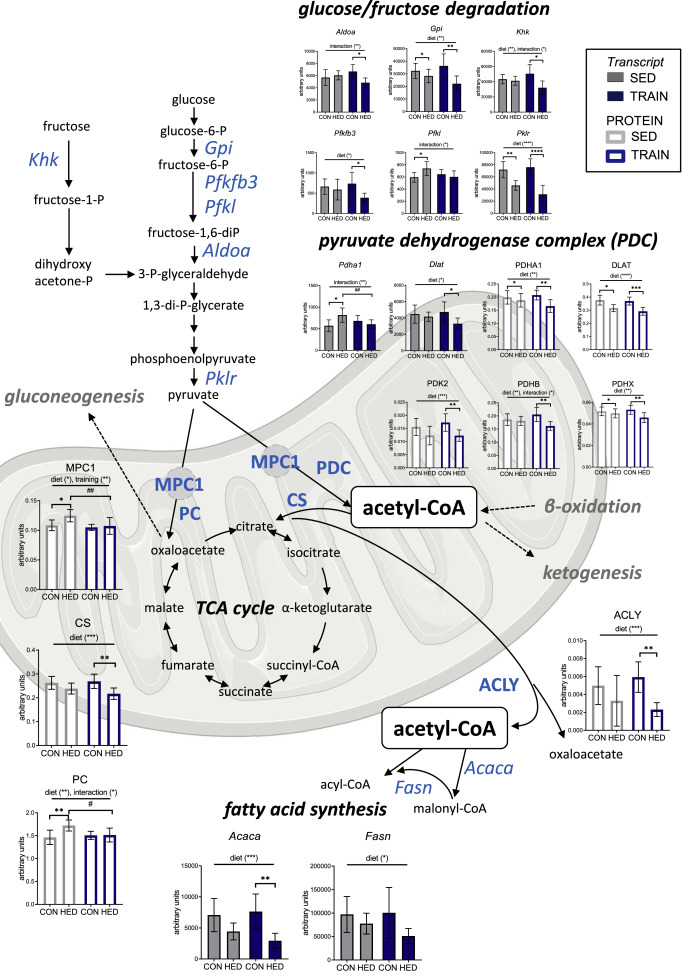
Exercise not only trains the muscles but can also prevent the develop...
Read More

December 22, 2021,
 Health/Medical, Biology/Biotechnology
Exercise not only trains the muscles but can also prevent the develop...
Read More
December 21, 2021,
Health/Medical, Biology/Biotechnology
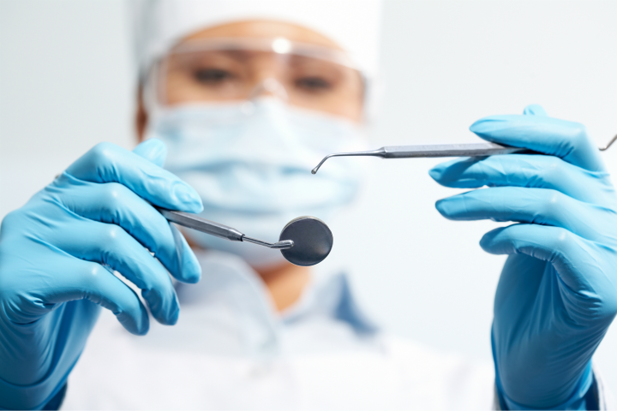
A University of Birmingham-led study shows an increased risk of patients developing illnesses including mental ill-health and heart conditions if they have a GP-inputted medical history of periodontal (gum) disease.
Experts carried out a first of its kind study of the GP records of 64,379 patients who had a GP-inputted recorded history of periodontal disease, including gingivitis and periodontitis (the condition that occurs if gum disease is left untreated and can lead to tooth loss). Of these, 60,995 had gingivitis and 3,384 had periodontitis. These patients’ records were compared to those of 251,161 patients who had no record of periodontal disease. Across the cohorts, the average age was 44 years and 43% were male, while 30% were smokers...
Read More
December 21, 2021,
Health/Medical, Biology/Biotechnology
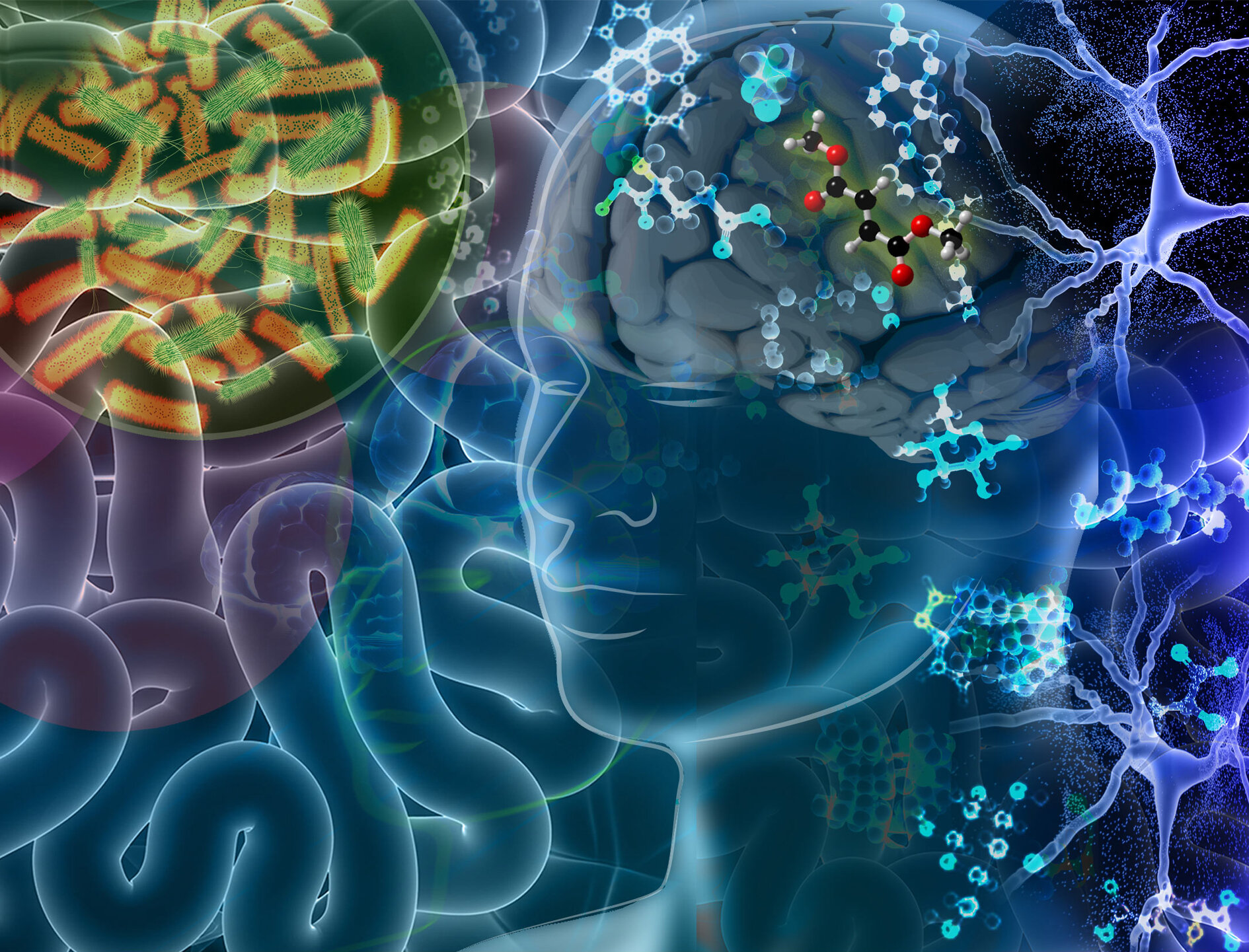
A New York-based, multi-institutional research team has found high levels of three toxic metabolites produced by gut bacteria in the cerebrospinal fluid and plasma samples of multiple sclerosis (MS) patients. The important findings, published in the journal Brain, further scientists’ understanding of how gut bacteria can impact the course of neurological diseases by producing compounds that are toxic to nerve cells.
Previously published evidence has supported the concept that an imbalance in the gut microbiota—the community of organisms that live in the human intestines—may underly a range of neurological disorders...
Read More
December 20, 2021,
Physics, Health/Medical
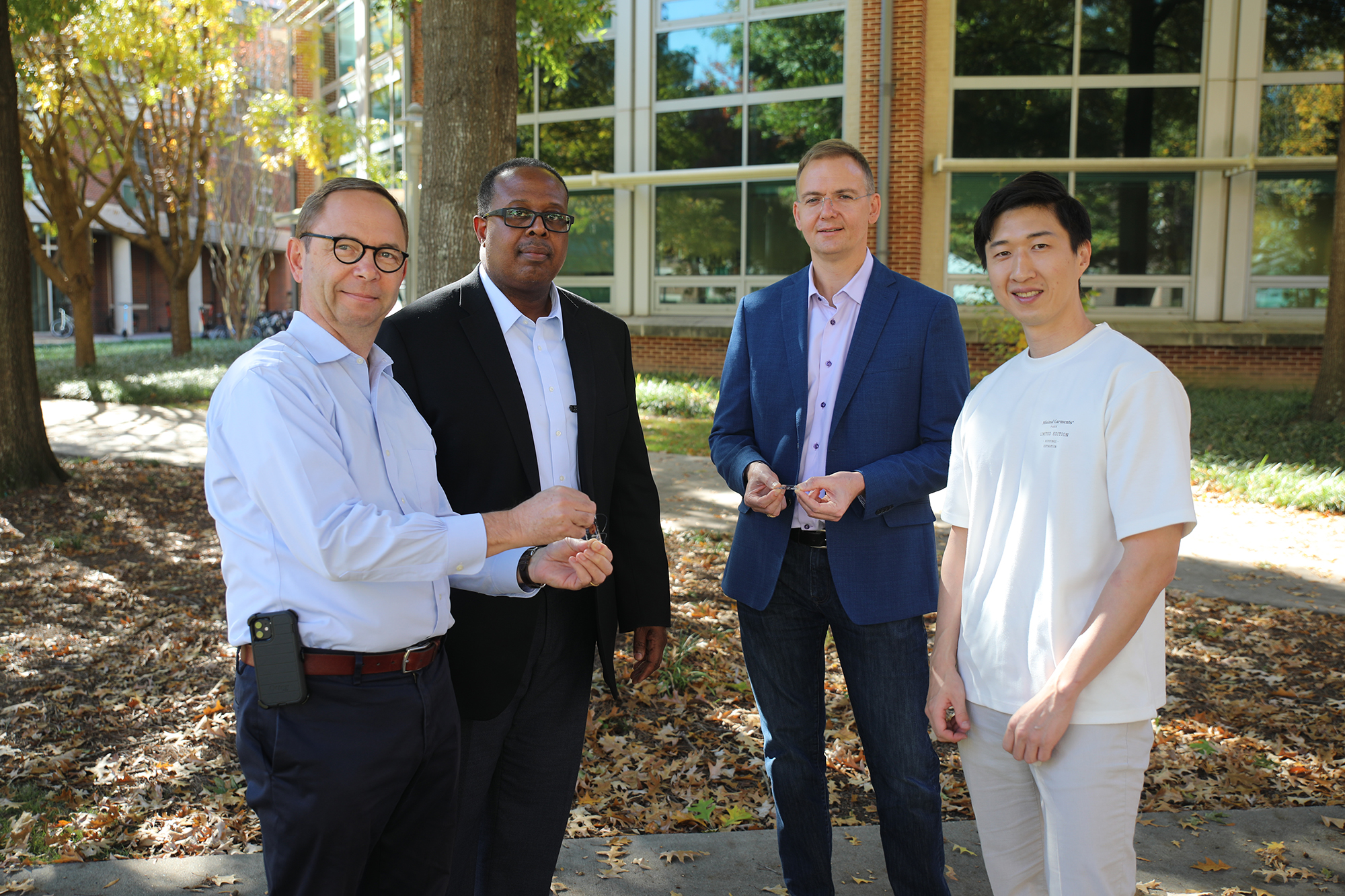
Flexible electronics breakthrough could enhance biosensor technology, from wearables to soft-robotic implantable systems. Semiconductors are moving away from rigid substrates, which are cut or formed into thin discs or wafers, to more flexible plastic material and even paper thanks to new material and fabrication discoveries. The trend toward more flexible substrates has led to fabrication of numerous devices, from light-emitting diodes to solar cells and transistors.
Georgia Tech researchers h...
Read More
Recent Comments