


Category Health/Medical
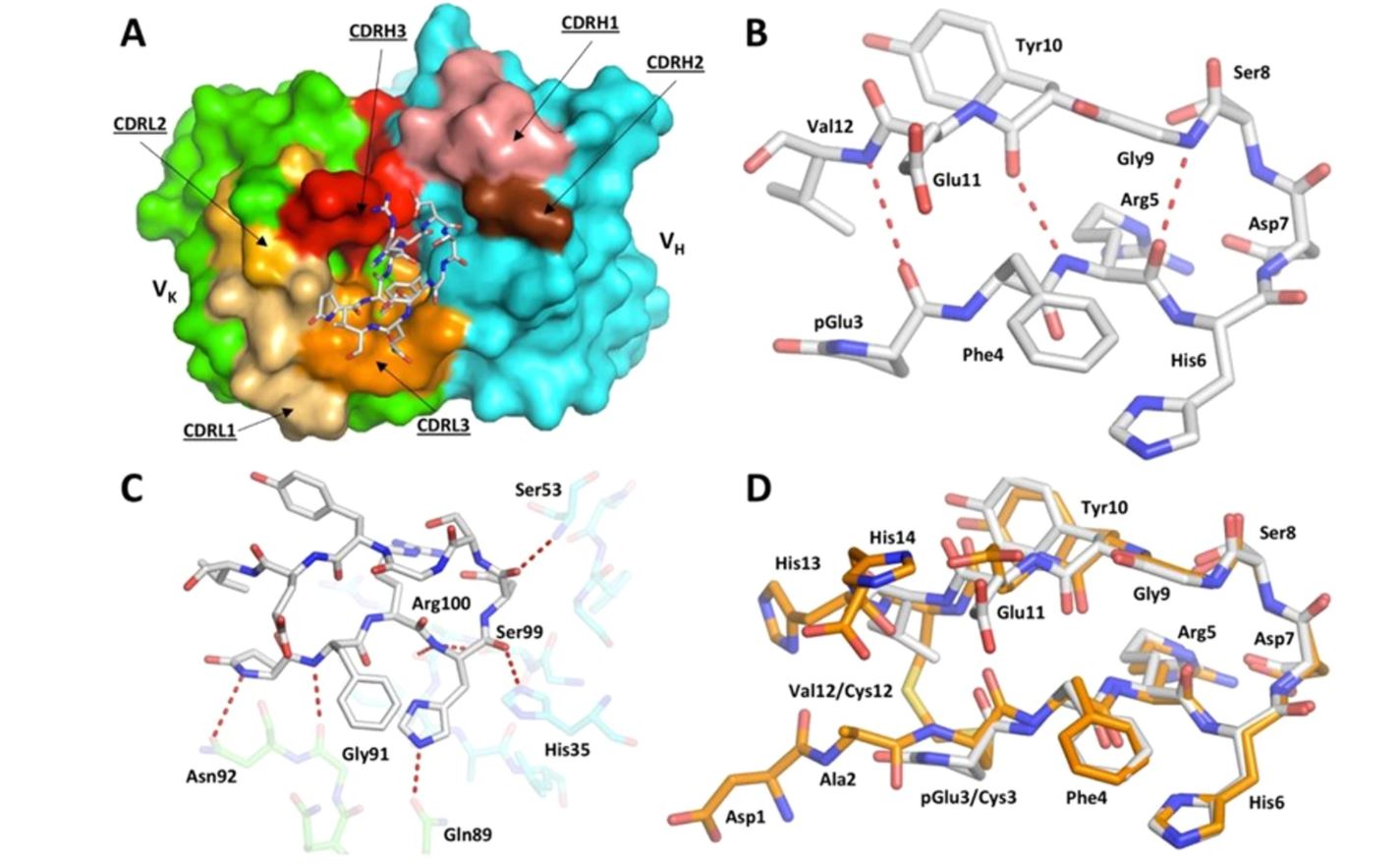
New approach provides Potential Vaccine and Treatment for Alzheimer’s
November 17, 2021,
 Health/Medical, Biology/Biotechnology
Diet Trumps Drugs for Anti-Aging and Good Metabolic Health
November 17, 2021,
Health/Medical, Biology/Biotechnology

A study comparing the impact of diet versus drugs on the inner workings of our cells has found nutrition has a much stronger impact.
The pre-clinical study by the University of Sydney’s Charles Perkins Centre suggests the makeup of our diet could be more powerful than drugs in keeping conditions like diabetes, stroke and heart disease at bay.
Conducted in mice, the research showed nutrition (including overall calories and macronutrient balance) had a greater impact on ageing and metabolic health than three drugs commonly used to treat diabetes and slow down ageing.
The findings are published in Cell Metabolism.
The research builds on the team’s pioneering work in mice and humans demonstrating the protective role of diet and specific combinations of proteins, fats and carbo...
Read MoreInnovative Fabric enables Digital Communication between Wearers, Nearby Devices
November 17, 2021,
Technology/Electronics, Health/Medical
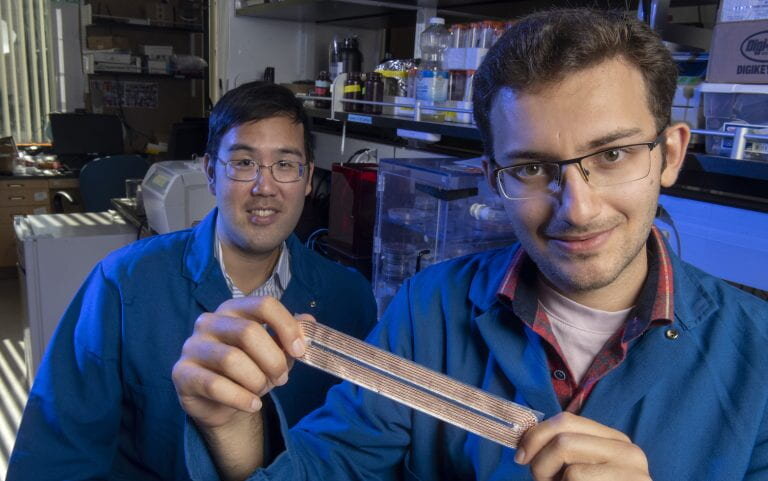
Imagine your car starting the moment you get in because it recognizes the jacket you’re wearing. Consider the value of a hospital gown that continuously measures and transmits a patient’s vital signs. These are just two applications made possible by a new “body area network”-enabling fabric invented by engineers at the University of California, Irvine.
In a paper published recently in Nature Electronics, researchers in UCI’s Henry Samueli School of Engineering detail how they integrated advanced metamaterials into flexible textiles to create a system capable of battery-free communication between articles of clothing and nearby de...
Read MoreUsing T cells to Target Malignant Brain Tumors
November 16, 2021,
Health/Medical, Biology/Biotechnology

Doctors and scientists from the German Cancer Research Center (DKFZ) and from Heidelberg University’s Medical Faculty Mannheim have successfully tested a neoantigen-specific transgenic immune cell therapy for malignant brain tumors for the first time using an experimental model in mice.
Cellular immunotherapies that specifically target malignant tumors are thought to be a promising approach in cancer medicine. However, a basic requirement for this kind of targeted immunotherapy is to identify target molecules that are found exclusively on the tumor cells and are recognized by the immune system.
Malignant gliomas are incurable brain tumors that spread in the brain and cannot be completely removed by surgery...
Read More
Recent Comments