Category Health/Medical

Reduced Heat Leakage Improves Wearable Health Device

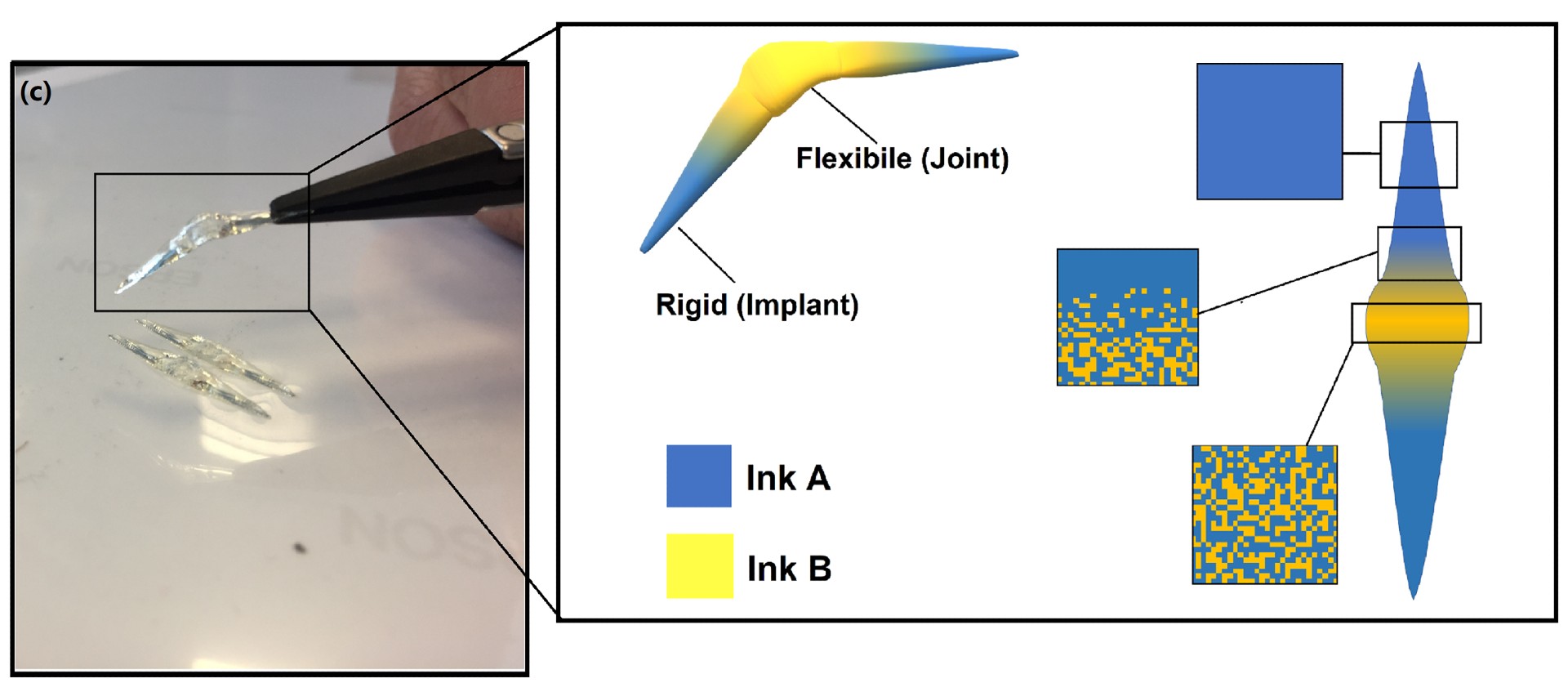
Image of flexible device.
NC State’s flexible heat harvesting device shows better efficiency at retaining heat to power the device. Photo courtesy of Mehmet Ozturk.

North Carolina State University engineers continue to improve the efficiency of a flexible device worn on the wrist that harvests heat energy from the human body to monitor health.

In a paper published in npj Flexible Electronics, the NC State researchers report significant enhancements in preventing heat leakage in the flexible body heat harvester they first reported in 2017 and updated in 2020. The harvesters use heat energy from the human body to power wearable technologies — think of smart watches that measure your heart rate, blood oxygen, glucose and other health parameters — that never need to have their batteries recharged...

Read More

New, Highly Precise ‘Clock’ can measure Biological Age

Scientists Create 'Clock' That Measures Biological Age
YinYang/iStock

Scientists have developed a method that can determine an organism’s biological age with unprecedented precision. Researchers expect new insights into how the environment, nutrition, and therapies influence the aging process.

Using the model organism Caenorhabditis elegans, researchers at the University of Cologne have developed an ‘aging clock’ that reads the biological age of an organism directly from its gene expression, the transcriptome...

Read More

The Right ‘5-a-day’ Mix is 2 Fruit and 3 Vegetable Servings for Longer Life

Studies representing nearly 2 million adults worldwide show that eating about five daily servings of fruits and vegetables, in which 2 are fruits and 3 are vegetables, is likely the optimal amount for a longer life, according to new research published today in the American Heart Association’s flagship journal Circulation.

Diets rich in fruits and vegetables help reduce risk for numerous chronic health conditions that are leading causes of death, including cardiovascular disease and cancer. Yet, only about one in 10 adults eat enough fruits or vegetables, according to the U.S. Centers for Disease Control and Prevention.

“While groups like the American Heart Association recommend four to five servings each of fruits and vegetables daily, consumers likely get inconsistent messages ...

Read More

Bitter Receptor involved in Anti-Inflammatory effect of Resveratrol?

Grapes; Public Domain, U.S. Department o Agriculture — Agricultural Research Service http://www.ars.usda.gov/SP2UserFiles/Program/304/ARS-PDPlan2006.pdf

Human gum cells as a test system for investigating interactions between resveratrol, bitter receptors and the release of inflammatory markers.

Resveratrol is a plant compound found primarily in red grapes and Japanese knotweed. Its synthetic variant has been approved as a food ingredient in the EU since 2016. At least in cell-based test systems, the substance has anti-inflammatory properties...

Read More