SMOX is a key node for breast oncogenesis mediated by multiple pathogenic microbes and pharmacological inhibition of SMOX can serve as an intervention strategy for breast cancer patients harboring microbial dysbiosis. Credits: Drs. Deeptashree Nandi and Dipali Sharma
Researchers at the Johns Hopkins Kimmel Cancer Center have discovered how certain pathogenic bacteria in gut and breast tissue can promote breast cancer development and progression by hijacking a key metabolic enzyme known as spermine oxidase (SMOX). In a study led by Dipali Sharma, Ph.D...
Altered brain connectivity across diagnoses. The meta-analysis revealed consistent alterations in white matter connectivity across psychosis-spectrum disorders, including schizophrenia and bipolar disorder. Credit: Merola et al.
For decades, schizophrenia and bipolar disorder (BD) were treated as distinct and unrelated psychiatric disorders. Schizophrenia is a psychiatric disorder characterized by altered thinking and emotional patterns, hallucinations, false or irrational beliefs (i.e., delusions), cognitive deficits, and disorganized speech. BD, on the other hand, is marked by extreme mood swings, ranging between periods of high-energy (i.e., mania or hypomania) and depressive episodes.
While the symptoms of schizophrenia and BD are markedly different, many patients diagnosed with...
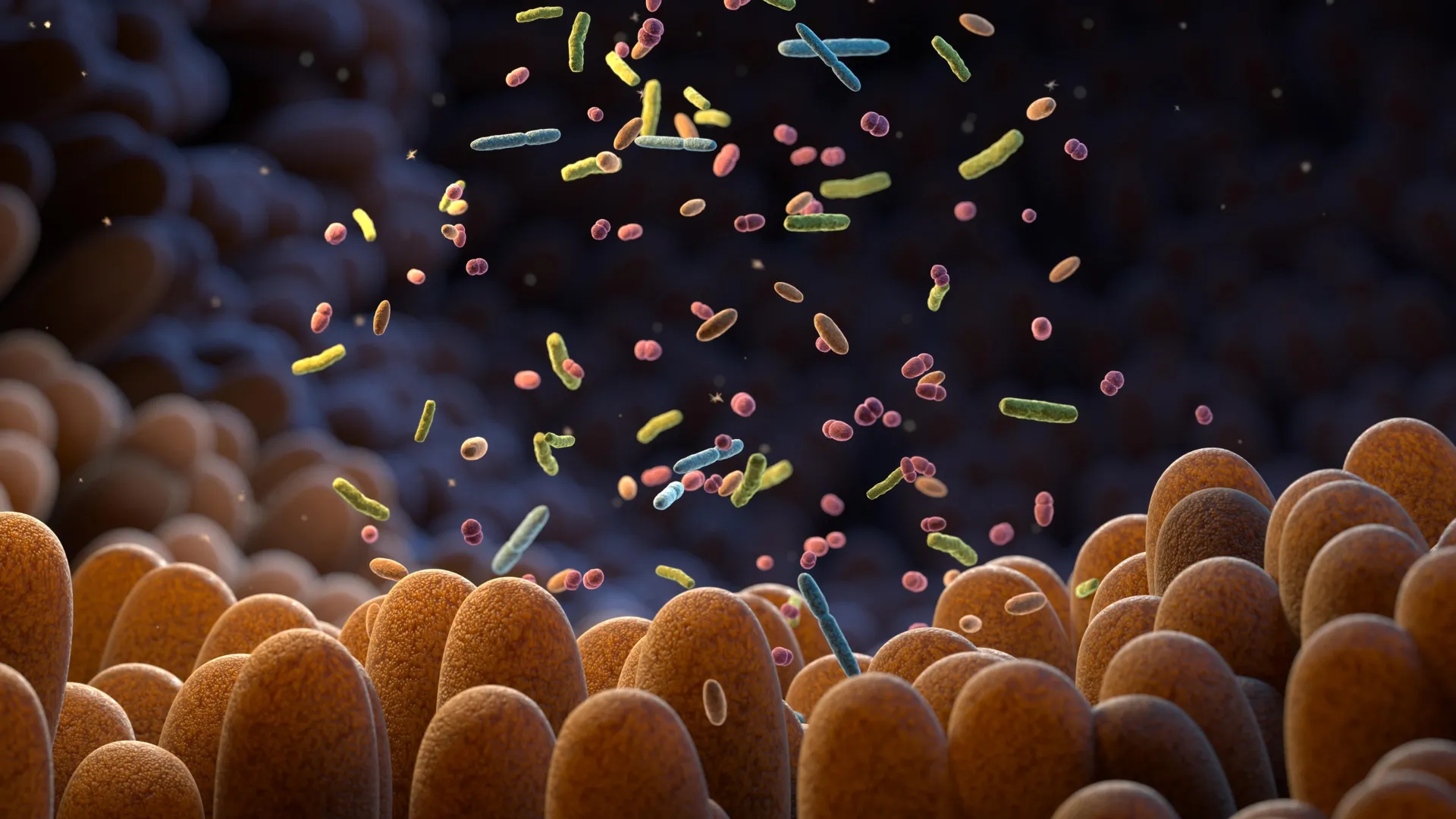
Researchers discovered that beneficial gut bacteria can sense a wide array of nutrients and chemical signals, guiding them toward the best food sources. Credit: Shutterstock
Your gut bacteria are chemical detectives—sniffing out nutrients and even feeding each other to keep your microbiome thriving. Your gut is home to trillions of bacteria that constantly “sense” their surroundings to survive and thrive. New research shows that beneficial gut microbes, especially common Clostridia bacteria, can detect a surprisingly wide range of chemical signals produced during digestion, including byproducts of fats, proteins, sugars, and even DNA. These microbes use specialized sensors to move toward valuable nutrients, with lactate and formate standing out as especially important fuel sources...
Absence of plasma FN results in osteopenia and significant loss of trabecular bone mass in male mice. Credit: Matrix Biology (2026). DOI: 10.1016/j.matbio.2025.12.001
New research suggests the liver plays a previously unrecognized role in bone health, but only in males. A McGill University-led study published in Matrix Biology found that a protein made in the liver helps regulate bone growth in male mice, but not in females. The findings may help explain why men with liver disease are more likely to experience bone loss.
The protein, known as plasma fibronectin, is naturally present in blood at higher levels in men than in women, declines when the liver is damaged and builds up in bone to modulate bone formation...






Recent Comments