Category Health/Medical

Researchers use Nanotechnology to develop new Treatment for Endometriosis

Credit: CC0 Public Domain

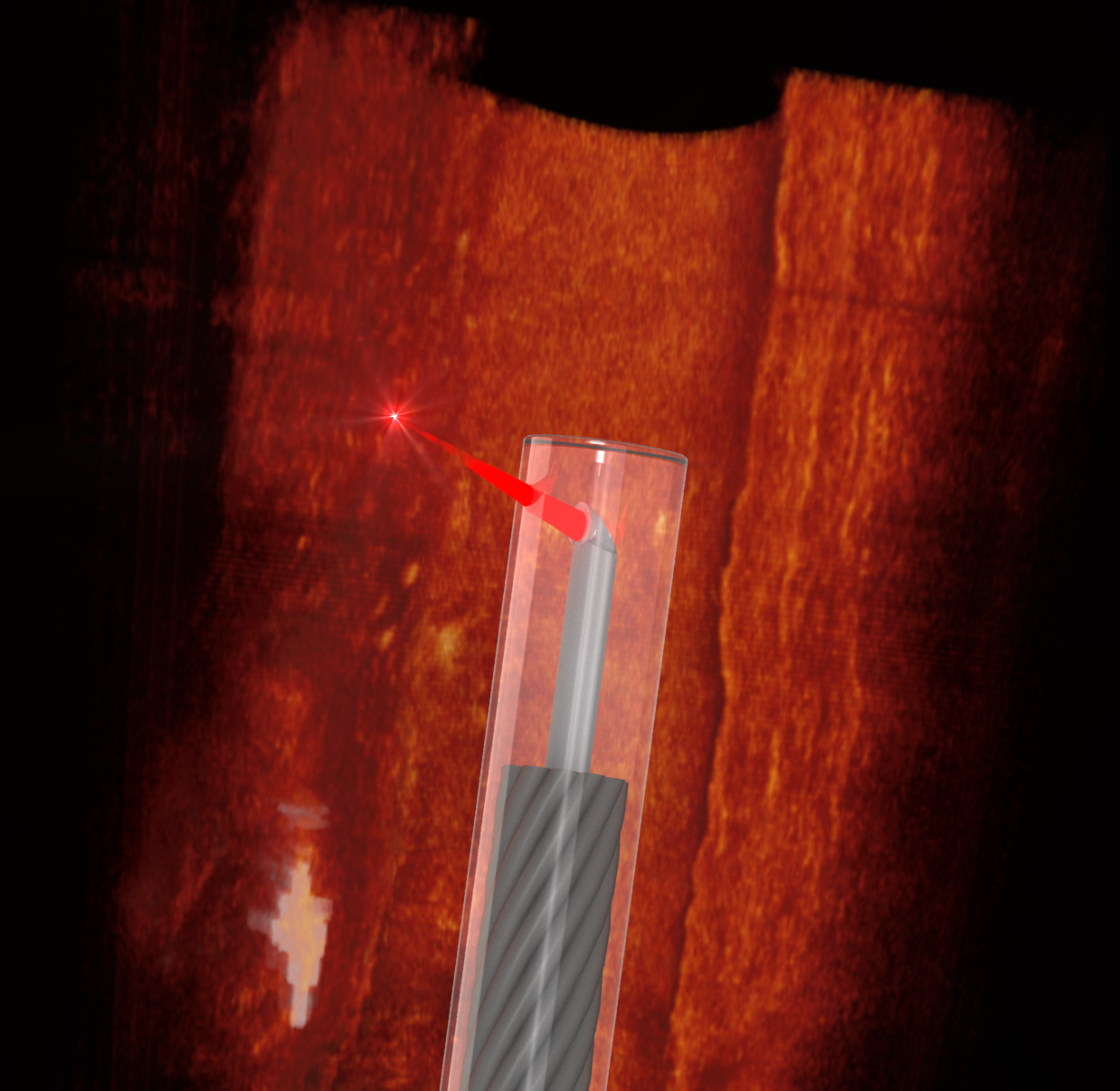
Scientists have developed a precise, nanotechnology-based treatment to alleviate the pain and fertility problems associated with endometriosis, a common gynecological condition in women of childbearing age.

Research led by Oleh Taratula of the Oregon State University College of Pharmacy and Ov Slayden of the Oregon National Primate Research Center at Oregon Health & Science University used photo-responsive nanoparticles loaded with dye to find and remove the lesions associated with the disorder.

The endometrium is the innermost layer of the uterus, and endometriosis occurs when endometrium-like tissue forms lesions outside of the uterine cavity—usually involving the ovaries, the fallopian tubes and the tissue lining the pelvis.

On rare occasions, en...

Read More

Brown Fat can Burn Energy in an unexpected way

FGF6 and FGF9 regulate UCP1 expression independent of brown adipogenesisNature Communications, 2020; 11 (1) DOI: 10.1038/s41467-020-15055-9

Researchers have discovered an unexpected biological pathway by which brown fat cells can translate energy into heat. When we are exposed to sufficient cold or exercise, small clusters of brown fat cells in our bodies begin to burn up energy. Since 2009, when researchers at Joslin Diabetes Center and other institutions discovered that this helpful form of fat can be active in adults, scientists have sought to turn up the heat from these cells to treat obesity, diabetes and other metabolic conditions.

Researchers in the lab of Joslin’s Yu-Hua Tseng, PhD, a Senior Investigator in the Section on Integrative Physiology and Metabolism, now have dis...

Read More

Vermont team invents Emergency Ventilator

A commercial ventilator can have 1500 parts supplied from more than a dozen countries. UVM engineer Carl Silver built the first prototype of an emergency ventilator in one day with parts he found in his house and UVM’s IMF Lab. He’s part of a Vermont team seeking emergency review from the FDA to make the ventilator available for hospitals overwhelmed with COVID-19 patients. They’ll be sharing the innovative design—and looking for support and manufacturing partners. Credit: Ian Thomas Jansen-Lonnquist

Over the last three weeks, a team of scientists, engineers and doctors at the University of Vermont have developed a new design—and built a working model—for a simple, inexpensive ventilator.

“We think these could be rolled out very quickly and be effective on an emergency b...

Read More

Natural Sunscreen Gene influences how we make Vitamin D

Genetic variations in the skin can create a natural sunscreen, according to University of Queensland researchers investigating the genes linked with vitamin D.

Professor John McGrath from UQ’s Queensland Brain Institute said this was one of a number of ways vitamin D affected the body in a collaborative study that looked at the genomes of more than half a million people from the United Kingdom.

“This study has implicated several new skin-related genes that impact on our vitamin D status – distinct from skin colour which affects our ability to make vitamin D depending on the concentration of the pigment melanin in the skin,” Professor McGrath said.

“Vitamin D is the sunshine hormone and we need bright sunshine on the skin to make it, but variations in our genes also influence ...

Read More