
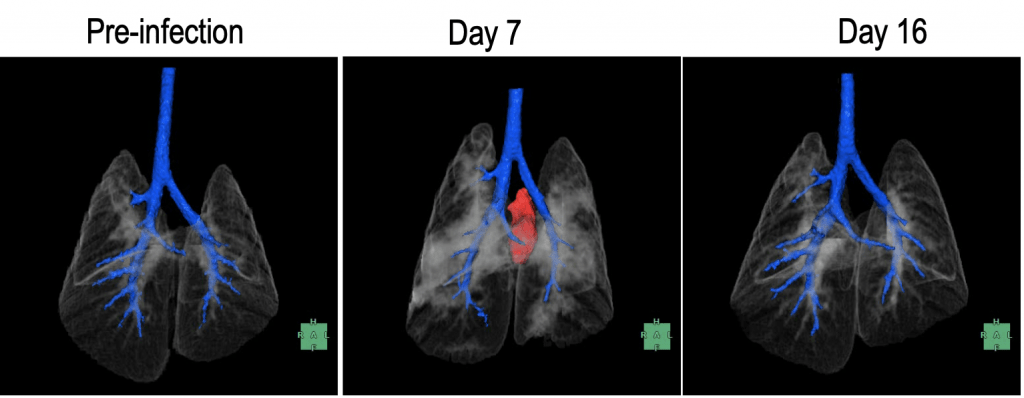
In an animal model for COVID-19 that shares important features of human disease, scientists at the University...
Read More

June 24, 2020,
 Biology/Biotechnology, Health/Medical
In an animal model for COVID-19 that shares important features of human disease, scientists at the University...
Read More
June 23, 2020,
Health/Medical, Biology/Biotechnology
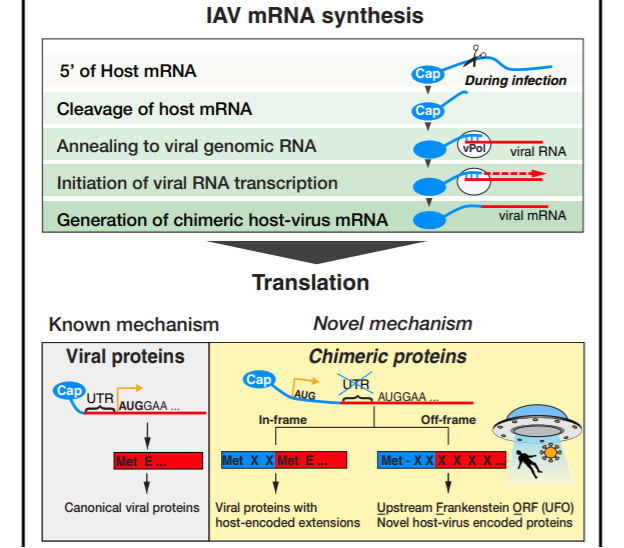
Like a scene out of “Invasion of the Body Snatchers,” a virus infects a host and converts it into a factory for making more copies of itself. Now researchers have shown that a large group of viruses, including the influenza viruses and other serious pathogens, steal genetic signals from their hosts to expand their own genomes.
This finding is presented in a study published online today and in print June 25 in Cell...
Read More
June 23, 2020,
Health/Medical, Biology/Biotechnology
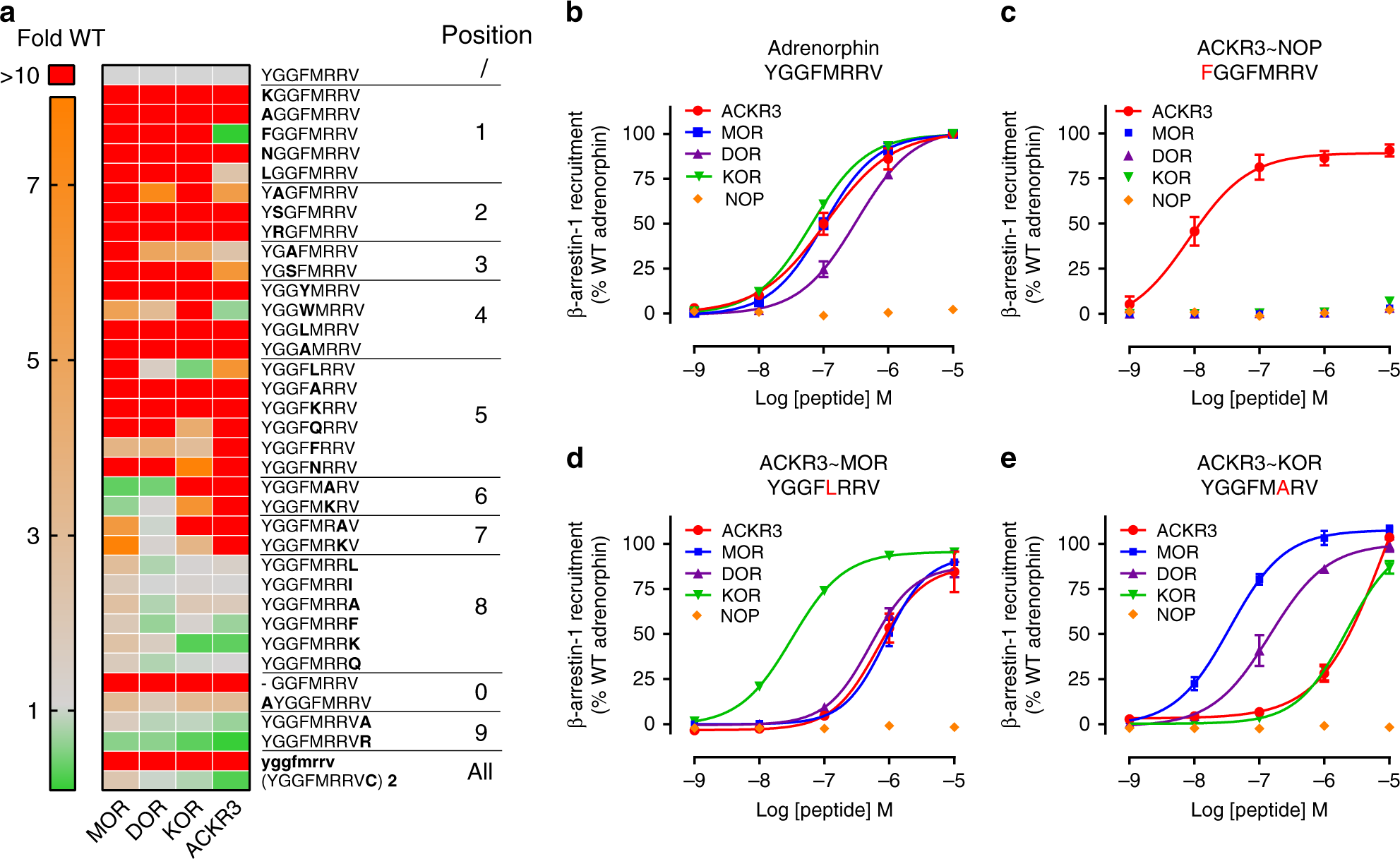
Novel molecule targets a newly discovered opioid receptor with atypical properties and holds promise for alternative therapeutic strategies.
Researchers at the Department of Infection and Immunity of the Luxembourg Institute of Health (LIH) developed LIH383, a novel molecule that binds to and blocks a previously unknown opioid receptor in the brain, thereby modulating the levels of opioid peptides produced in the central nervous system (CNS) and potentiating their natural painkilling and antidepressant properties...
Read More
June 20, 2020,
Health/Medical, Biology/Biotechnology

Replacing sitting time with 3 0 minutes of activity associated with lower risk of cancer death. In the first study to look at objective measures of sedentary behavior and cancer mortality, researchers from The University of Texas MD Anderson Cancer Center found that greater inactivity was independently associated with a higher risk of dying from cancer. The most sedentary individuals had an 82% higher risk of cancer mortality compared to the least sedentary individuals. An accelerometer was used to measure physical activity, rather than relying on participants to self-report their activity levels
“This is the first study that definitively shows a strong association between not moving and cancer death,” said Susan Gilchrist, M.D...
Read More
Recent Comments