Category Health/Medical

Gut reaction: How Immunity ramps up against Incoming Threats

Image result for VIP directly regulates IL-22 production by ILC3s.
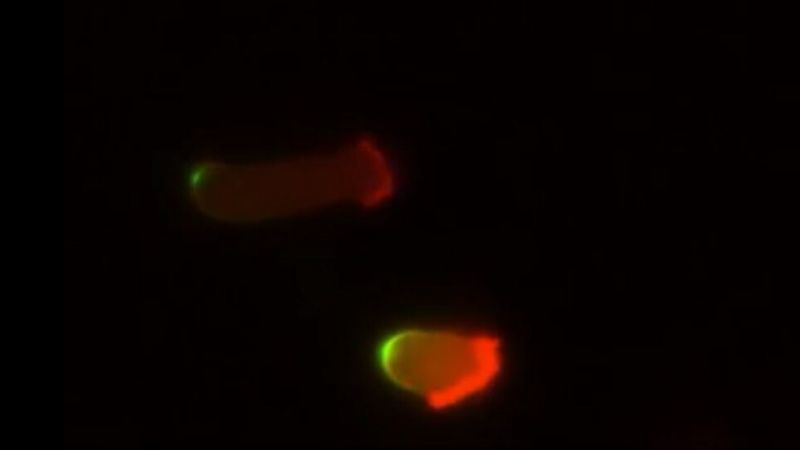
ILC2 and ILC3 activities oscillate during the active and resting phase at steady state in wild-type mice.

A new study has revealed how the gut’s protective mechanisms ramp up significantly with food intake, and at times of the day when mealtimes are anticipated based on regular eating habits.

Researchers from the Walter and Eliza Hall Institute found, in laboratory models, that eating sets off a hormonal ‘chain reaction’ in the gut.

Eating causes a hormone called VIP to kickstart the activity of immune cells in response to potentially incoming pathogens or ‘bad’ bacteria. The researchers also found that immunity increased at anticipated mealtimes indicating that maintaining regular eating patterns could be more important than previously thought.

With the rise in conditions a...

Read More

Wearable Health Tech gets Efficiency Upgrade

Photo of flexible, wearable device.
NC State’s improved theromoelectric generator demonstrates efficiency and flexibility. Photo courtesy of Mehmet Ozturk, NC State University.

North Carolina State University engineers have demonstrated a flexible device that harvests the heat energy from the human body to monitor health. The device surpasses all other flexible harvesters that use body heat as the sole energy source.

In a paper published in Applied Energy, the NC State researchers report significant enhancements to the flexible body heat harvester they first reported in 2017. The harvesters use heat energy from the human body to power wearable technologies – think of smart watches that measure your heart rate, blood oxygen, glucose and other health parameters – that never need to have their batteries recharged...

Read More

Nanoparticle Chomps away Plaques that cause Heart Attacks

The dotted line outlines the atherosclerotic artery and the green represents our nanoparticles, which are in the plaque. The red indicates macrophages, which is the cell type that the nanoparticles are stimulating to eat the debris.

Michigan State University and Stanford University scientists have invented a nanoparticle that eats away – from the inside out – portions of plaques that cause heart attacks.

Bryan Smith, associate professor of biomedical engineering at MSU, and a team of scientists created a “Trojan Horse” nanoparticle that can be directed to eat debris, reducing and stabilizing plaque. The discovery could be a potential treatment for atherosclerosis, a leading cause of death in the United States.

The results, published in the current issue of Nature Nanotechno...

Read More

Parkinson’s Disease may start Before Birth

Clive Svendsen, PhD, director of the Cedars-Sinai Board of Governors Regenerative Medicine Institute, right, and Nur Yucer, PhD, a project scientist, discuss a microscope image of dopamine neurons. Photo by Cedars-Sinai.

Stem cell study finds malfunctioning brain cells in patients who were diagnosed before age 50; researchers test potential new treatment. People who develop Parkinson’s disease before age 50 may have been born with disordered brain cells that went undetected for decades, according to new Cedars-Sinai research. The research points to a drug that potentially might help correct these disease processes.

Parkinson’s occurs when brain neurons that make dopamine, a substance that helps coordinate muscle movement, become impaired or die...

Read More