Category Health/Medical

A Wearable Device so Thin and Soft you Won’t Even Notice It

Yu wearable HMI
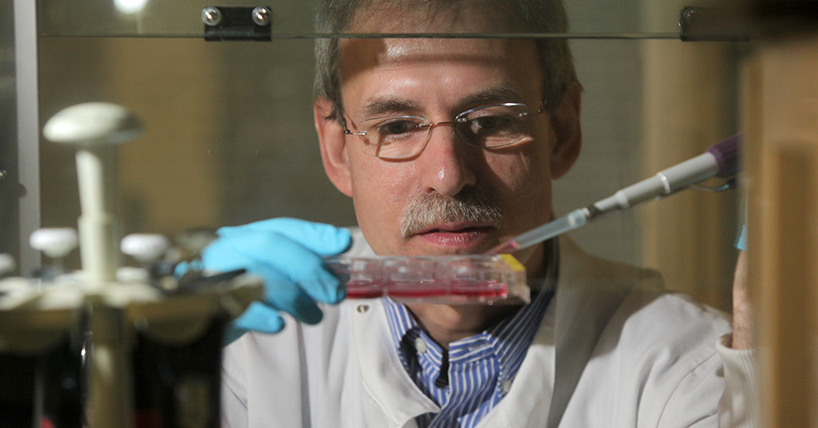
Cunjiang Yu, Bill D. Cook Associate Professor of Mechanical Engineering at UH, led a project to develop a multifunctional, ultra-thin wearable human-machine interface.

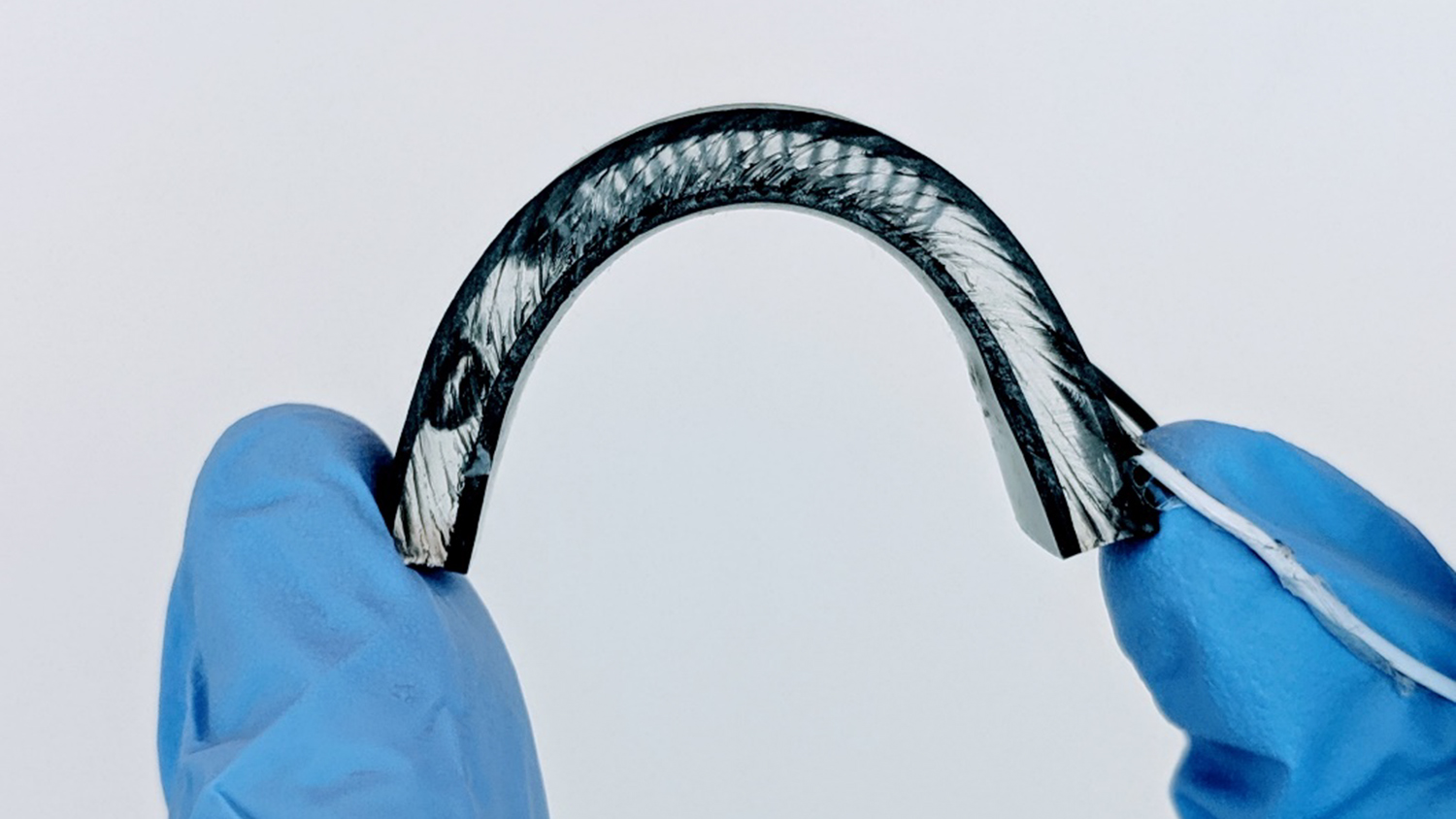
Device also can serve as robotic skin, relaying information back to the user. Wearable human-machine interfaces – devices that can collect and store important health information about the wearer, among other uses – have benefited from advances in electronics, materials and mechanical designs. But current models still can be bulky and uncomfortable, and they can’t always handle multiple functions at one time.

Researchers reported Friday, Aug. 2, the discovery of a multifunctional ultra-thin wearable electronic device that is imperceptible to the wearer.

The device allows the wearer to move naturally and is less no...

Read More

Targeting a Blood Stem Cell subset shows lasting, Therapeutically Relevant Gene Editing

Microscopy image of blood stem cells that will go through CRISPR/Cas9 gene editing in a lab dish. Credit: Kiem lab / Fred Hutchinson Cancer Research Center

Researchers at Fred Hutchinson Cancer Research Center used CRISPR-Cas9 to edit long-lived blood stem cells to reverse the clinical symptoms observed with several blood disorders, including sickle cell disease and beta-thalassemia. It’s the first time that scientists have specifically edited the genetic makeup of a specialized subset of adult blood stem cells that are the source of all cells in the blood and immune system.

The proof-of-principle study suggests that efficient modification of targeted stem cells could reduce the costs of gene-editing treatments for blood disorders and other diseases while decreasing the risks of u...

Read More

Antioxidant compound from Soybeans may prevent Marijuana-induced Blood Vessel Damage

Image result for Antioxidant compound from Soybeans may prevent Marijuana-induced Blood Vessel Damage
soybeans Antioxidant compound from Soybeans may prevent Marijuana-induced Blood Vessel Damage

In laboratory tests, a compound found in soybeans blocked damage to the lining of blood vessels in the heart and circulatory system and may someday provide a way to prevent the cardiovascular side effects of recreational and medical marijuana use, according to preliminary research presented at the American Heart Association’s Basic Cardiovascular Sciences 2019 Scientific Sessions.

Marijuana is the most widely used illicit drug worldwide and is increasingly being made legal for recreational and medicinal purposes. However, there have been studies that link marijuana smoking to an increased risk of heart attack and stroke...

Read More

Laboratory study paves way for New Approach to Treating Hair Loss in Humans

 Schematic of the preparation of hair beads (HBs) and hair follicle germs (HFGs).(A) Manual and automatic approaches to fabricate 2-μl collagen microgels containing mesenchymal cells. DP, dermal papilla cells. (B) Formation of HBs through the spontaneous constriction of collagen microgels by cell attraction forces, and the evaluation of their trichogenous activity using the patch assay. (C) Formation of an HFG composed of an HB and epithelial cell aggregate in a U-shaped microwell, and evaluation of trichogenous activity using hair generation assays.

Japanese scientists have developed an efficient method of successfully generating hair growth in nude mice...

Read More