Category Health/Medical

New study explains the Molecular Mechanism for the Therapeutic Effects of Cilantro

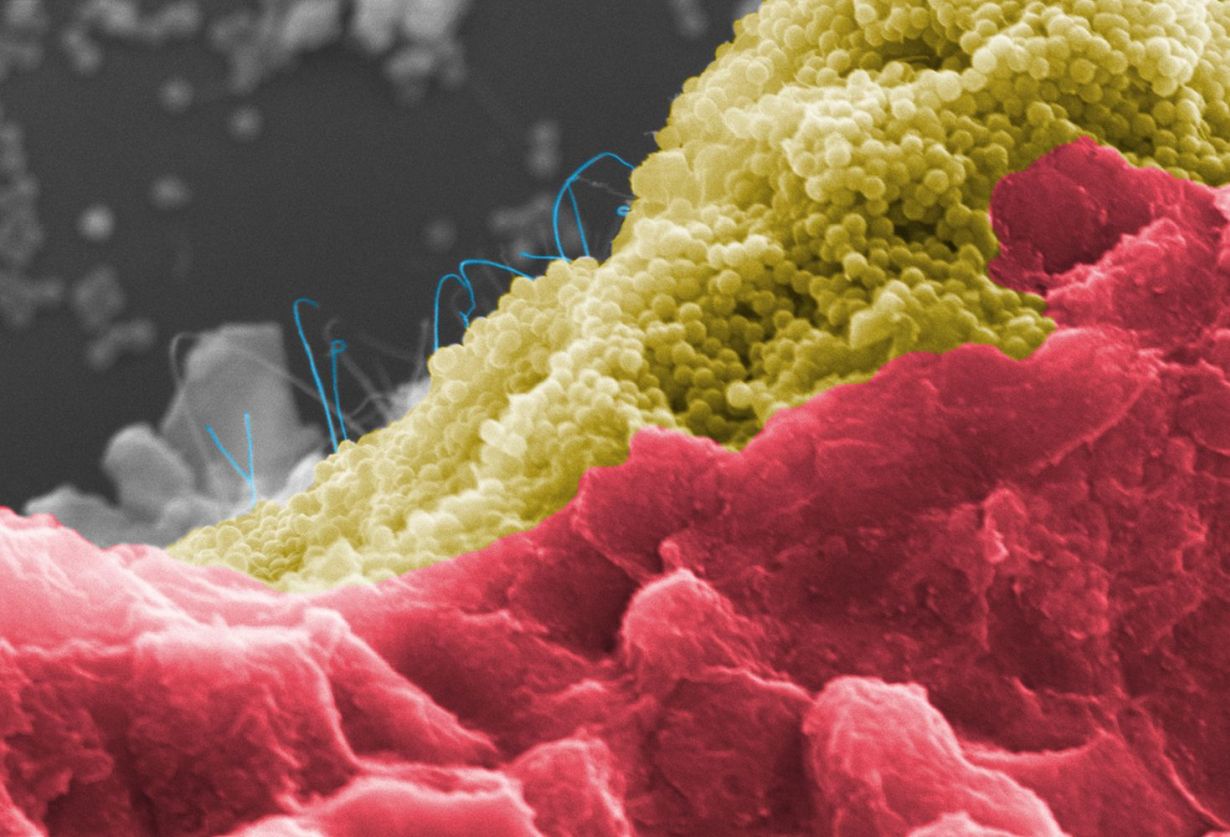
Shown is a computer simulation of E-2-dodecenal (orange) docking in its predicted binding site on the neuronal KCNQ potassium channel.

Herbs, including cilantro, have long been used as folk remedies. Herbs, including cilantro, have a long history of use as folk medicine anticonvulsants. Until now, many of the underlying mechanisms of how the herbs worked remained unknown. In a new study, researchers uncovered the molecular action that enables cilantro to effectively delay certain seizures common in epilepsy and other diseases.

The study, published in FASEB Journal, explains the molecular action of cilantro (Coriandrum sativum) as a highly potent KCNQ channel activator. This new understanding may lead to improvements in therapeutics and the development of more efficacious drugs.

...Read More

Widespread Aspirin use despite Few Benefits, High Risks

Related image
Prevalence of Aspirin Use for Primary Prevention of Cardiovascular Disease in the United States: Results From the 2017 National Health Interview SurveyAnnals of Internal Medicine, 2019; DOI: 10.7326/M19-0953

Medical consensus once supported daily use of low dose aspirin to prevent heart attack and stroke in people at increased risk for cardiovascular disease (CVD). But in 2018, three major clinical trials cast doubt on that conventional wisdom, finding few benefits and consistent bleeding risks associated with daily aspirin use...

Read More

Neuroscientists discover Neuron type that acts as Brain’s Metronome

Metronome (stock image).
Credit: © kkolosov / Adobe Stock

By keeping the brain in sync, these long-hypothesized but never-found neurons help rodents to detect subtle sensations. By measuring the fast electrical spikes of individual neurons in the touch region of the brain, Brown University neuroscientists have discovered a new type of cell that keeps time so regularly that it may serve as the brain’s long-hypothesized clock or metronome.

This type of neuron spikes rhythmically, and in a synchronized manner, independent of external sensations, said Chris Moore, a professor of neuroscience at Brown and the associate director of the Carney Institute for Brain Science...

Read More

Researchers Wirelessly Hack ‘Boss’ Gene, a step toward Reprogramming the human Genome

Two microscope images showing the FGFR1 in its normal state and when it's activated by laser light.
The left image above shows the gene FGFR1 in its natural state. The right image shows the gene when exposed to laser light, which causes the gene to activiate and deactivate. Credit: University at Buffalo.

Advance, made possible by tiny photonic implants, could lead to new treatments for cancer, mental disorders. A new University at Buffalo-led study describes how researchers wirelessly controlled FGFR1 – a gene that plays a key role in how humans grow from embryos to adults – in lab-grown brain tissue.

The ability to manipulate the gene, the study’s authors say, could lead to new cancer treatments, and ways to prevent and treat mental disorders such as schizophrenia. The work – spearheaded by UB researchers Josep M. Jornet, Michal K. Stachowiak, Yongho Bae and Ewa K...

Read More