Category Health/Medical

GIST Research reveals a promising new target to thwart Alzheimer’s decades before symptoms start

A person will have Alzheimer’s years before ever knowing it. The disorienting erasure of memories, language, thoughts—in essence, all that makes up one’s unique sense of self—is the final act of this enigmatic disease that spends decades disrupting vital processes and dismantling the brain’s delicate structure.

Once symptoms surface and doctors make a diagnosis, though, it can often be too late. Damage is widespread, impossible to reverse. No cure exists.

Attempts to develop drugs that clear away toxic accumulations of amyloid-beta and tau proteins—hallmarks of the disease that cause neurons to die—have ended in hundreds of failed clinical trials. Today, some scientists are skeptical over whether removing amyloid plaques is even enough...

Read More

Rapamycin linked to DNA damage resilience in aging human immune cells

DNA
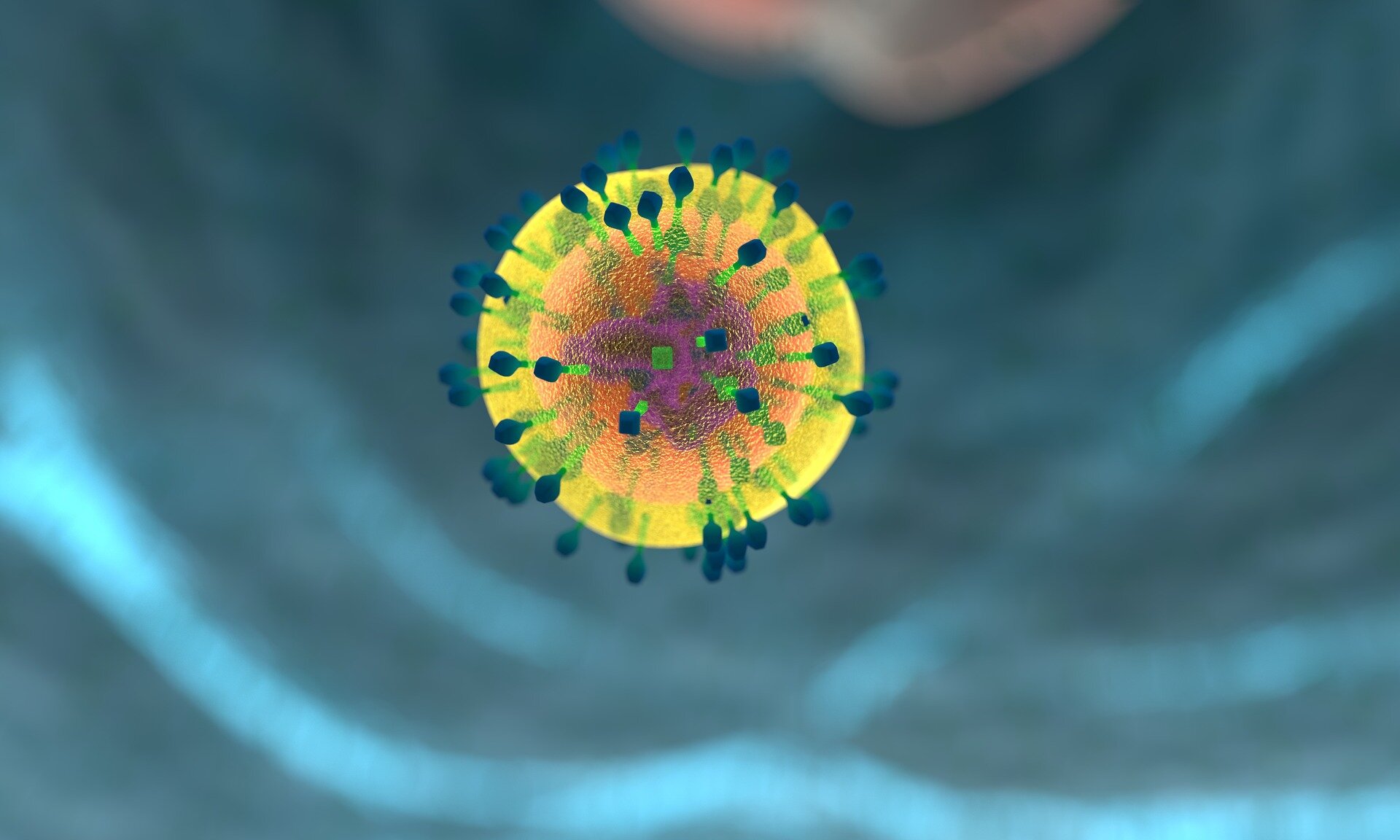
DNA, which has a double-helix structure, can have many genetic mutations and variations. Credit: NIH

University of Oxford-led research finds low-dose rapamycin functions as a genomic protector in aging human immune cells, lowering DNA damage.

The mechanistic target of rapamycin (mTOR) is a central signaling pathway that regulates and coordinates cell growth, metabolism, and survival in response to environmental cues. It helps cells integrate signals from growth factors, nutrients, and stress to control whether they are in an anabolic (building up) or catabolic (breaking down) state.

Aging immune systems accumulate DNA damage linked to immunosenescence. Rapamycin is a drug that inhibits the mTOR pathway...

Read More

Human brains explore more to avoid losses than to seek gains

Human brains explore more to avoid losses than to seek gains
Paradigm and learning behavior in loss versus gain conditions. Credit: Nature (2025). DOI: 10.1038/s41586-025-09466-1

Researchers at the Weizmann Institute of Science traced a neural mechanism that explains why humans explore more aggressively when avoiding losses than when pursuing gains. Their work reveals how neuronal firing and noise in the amygdala shape exploratory decision-making.

Human survival has its origins in a delicate balance of exploration versus exploitation. There is safety in exploiting what is known, the local hunting grounds, the favorite foraging location, the go-to deli with the familiar menu...

Read More

Depression linked to presence of immune cells in the brain’s protective layer

Depression linked to presence of immune cells in the brain's protective layer
CSD stress leads to increased numbers of LysM+ myeloid cells in vascular channels connecting skull BM to meninges. Credit: Nature Communications (2025). DOI: 10.1038/s41467-025-62840-5

Immune cells released from bone marrow in the skull in response to chronic stress and adversity could play a key role in symptoms of depression and anxiety, say researchers.

The discovery—found in a study in mice—sheds light on the role that inflammation can play in mood disorders and could help in the search for new treatments, in particular for those individuals for whom current treatments are ineffective.

Around 1 billion people will be diagnosed with a mood disorder such as depression or anxiety at some point in their life...

Read More