

ESO’s Very Large Telescope (VLT has caught a glimpse of an ethereal nebula hidden away in the darkest corners of the constellation of Orion (The Hunter) – NGC 1788, nicknamed the Cosmic Bat...
Read More

March 16, 2019,
 Health/Medical, Biology/Biotechnology
ESO’s Very Large Telescope (VLT has caught a glimpse of an ethereal nebula hidden away in the darkest corners of the constellation of Orion (The Hunter) – NGC 1788, nicknamed the Cosmic Bat...
Read More
Follow-up study in people underway. Green tea cut obesity and a number of inflammatory biomarkers linked with poor health in a new study. Mice fed a diet of 2% green tea extract fared far better than those that ate a diet without it, a finding that has prompted an upcoming study of green tea’s potential benefits in people at high risk of diabetes and heart disease.
The benefits seen in the new study, published in the Journal of Nutritional Biochemistry, appear to stem from improved gut health, including more beneficial microbes in the intestines of the mice and less permeability in the intestinal wall – a condition typically called “leaky gut” in people.
“This study provides evidence that green tea encourages the growth of good gut bacter...
Read More
March 14, 2019,
Health/Medical, Biology/Biotechnology

Direct link between low-B12 diet, increased risk of infection...
Read More
March 12, 2019,
Health/Medical, Biology/Biotechnology
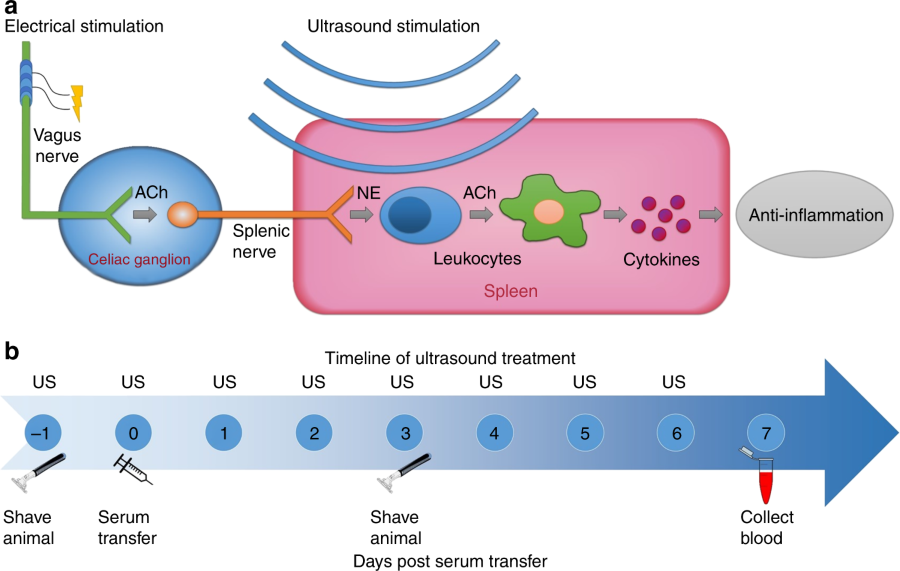
GE Research and Feinstein Institute for Medical Research bioelectronic medicine teams have demonstrated potentially breakthrough non-invasive methods to regulate dysfunction in the body’s metabolic or inflammatory control systems ...
Read More
Recent Comments