Category Health/Medical

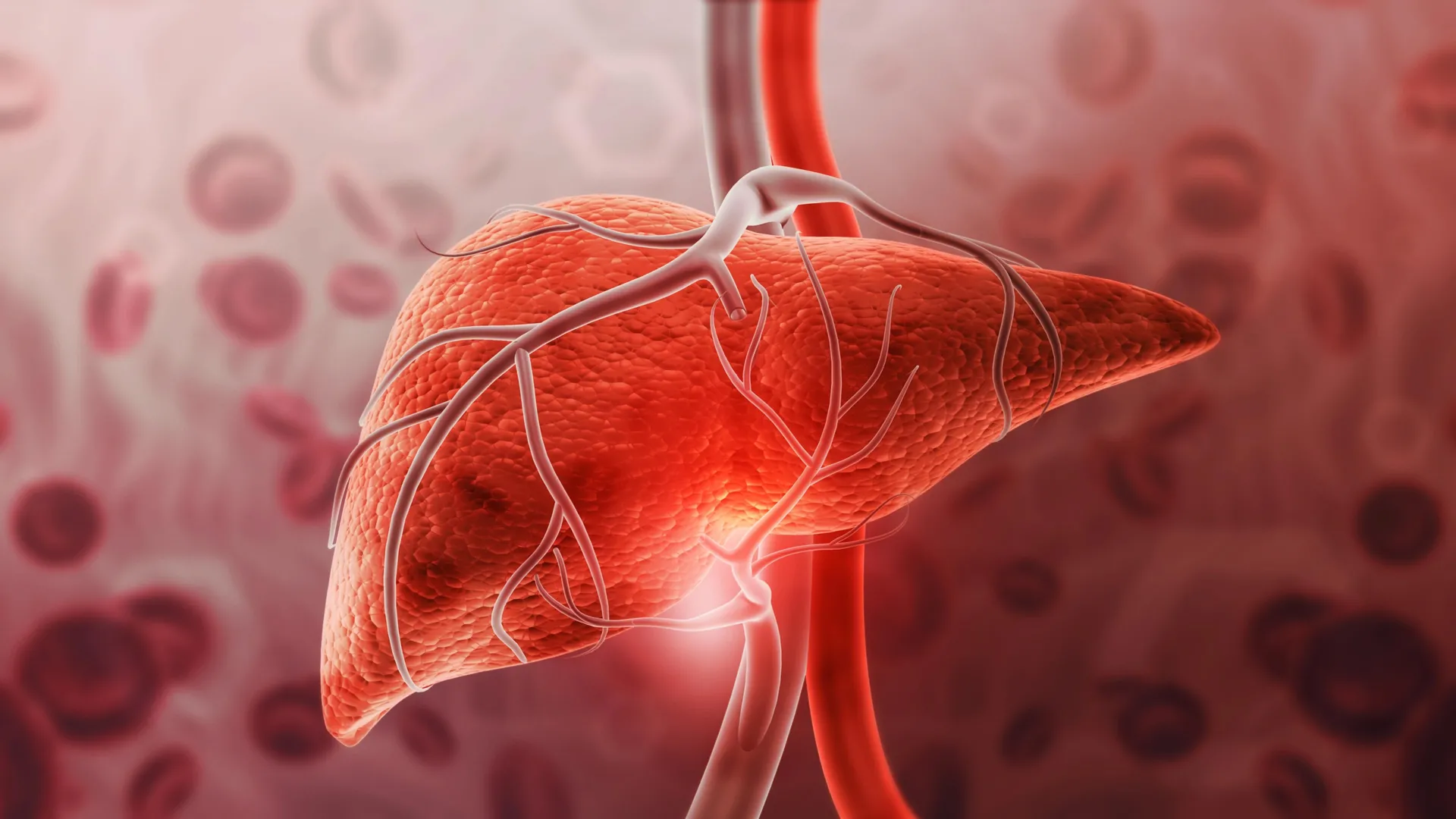
COVID infection ages blood vessels, especially in women, research reveals

blood vessel
Credit: Unsplash/CC0 Public Domain

A COVID infection, particularly in women, may lead to blood vessels aging around five years, according to research published in the European Heart Journal.

Blood vessels gradually become stiffer with age, but the new study suggests that COVID could accelerate this process. Researchers say this is important since people with stiffer blood vessels face a higher risk of cardiovascular disease, including stroke and heart attack.

The study was led by Professor Rosa Maria Bruno from Université Paris Cité, France. She said, “Since the pandemic, we have learned that many people who have had COVID are left with symptoms that can last for months or even years. However, we are still learning what’s happening in the body to create these symptoms.

“We k...

Read More

Gut neurons help body fight inflammation with immune-regulating molecule

cells stained red and green
Neurons (red) in the enteric nervous system contain ADM2 (green) along their nerve fibers. Image credit: Victoria Ribeiro de Godoy, Drs. Jazib Uddin and David Artis.

Neurons in the gut produce a molecule that plays a pivotal role in shaping the gut’s immune response during and after inflammation, according to a new study by Weill Cornell Medicine investigators. The findings suggest that targeting these neurons and the molecules they produce could open the door to new treatments for inflammatory bowel disease and other disorders driven by gut inflammation.

Hundreds of millions of neurons make up the enteric nervous system, the “second brain” of the body, where they orchestrate essential functions of the gut such as moving food through the intestines, nutrient absorption and blood flo...

Read More

Low-power ‘microwave brain’ on a chip computes on both ultrafast data and wireless signals

neural network
Credit: Pixabay/CC0 Public Domain

Cornell University researchers have developed a low-power microchip they call a “microwave brain,” the first processor to compute on both ultrafast data signals and wireless communication signals by harnessing the physics of microwaves.

Detailed in the journal Nature Electronics, the processor is the first true microwave neural network and is fully integrated on a silicon microchip. It performs real-time frequency domain computation for tasks like radio signal decoding, radar target tracking and digital data processing, all while consuming less than 200 milliwatts of power.

“Because it’s able to distort in a programmable way across a wide band of frequencies instantaneously, it can be repurposed for several computing tasks,” said lead author Bal ...

Read More

Novel protein therapy shows promise as first-ever antidote for carbon monoxide poisoning

New protein therapy shows promise as first-ever antidote for carbon monoxide poisoning
The natural protein RcoM. Credit: University of Maryland School of Medicine

University of Maryland School of Medicine (UMSOM) researchers, along with their colleagues, engineered a new molecule that appears promising as an effective antidote for carbon monoxide poisoning with fewer side effects than other molecules currently being tested, according to a new study published in the journal PNAS.

Carbon monoxide poisoning accounts for 50,000 emergency room visits in the U.S. each year and causes about 1,500 deaths. These deaths may occur when carbon monoxide released from combustion builds up in an enclosed space, which can result from ventilation failures in indoor natural gas burning equipment, or running gasoline generators or automobiles indoors or in a closed garage...

Read More