Category Health/Medical

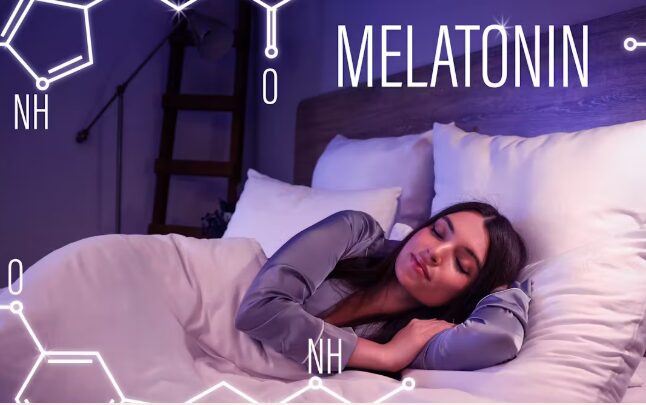
Can melatonin supplements really ‘reverse’ DNA damage caused by lack of sleep?

Sleep isn’t just a luxury, it’s a vital process that helps our bodies repair and rejuvenate. Researchers have started to uncover how the quality and timing of sleep can affect more than just how rested we feel—it might also affect the very blueprint of our cells: our DNA.

A new study from Canada found that melatonin, a hormone known for its role in regulating sleep, might help reverse some of the DNA damage caused by years of poor sleep.

Melatonin is produced by the pineal gland in our brains when darkness falls. It signals to our bodies that it’s time to wind down and prepare for sleep. Beyond its sleep-inducing properties, melatonin is also a powerful antioxidant.

Antioxidants help protect our cells from oxidative stress—a condition in which an imbalance between free radi...

Read More

Scientists discover how aspirin could prevent some cancers from spreading

Scientists have uncovered the mechanism behind how aspirin could reduce the metastasis of some cancers by stimulating the immune system, in a new study primarily funded by the Medical Research Council.

In the study, published in Nature, the scientists say that discovering the mechanism will support ongoing clinical trials, and could lead to the targeted use of aspirin to prevent the spread of susceptible types of cancer, and to the development of more effective drugs to prevent cancer metastasis.

The scientists caution that, in some people, aspirin can have serious side-effects and clinical trials are underway to determine how to use it safely and effectively to prevent cancer spread, so people should consult their doctor before starting to take it.

Studies of people with can...

Read More

Scientists observe that smartphone restriction for three days can alter brain activity

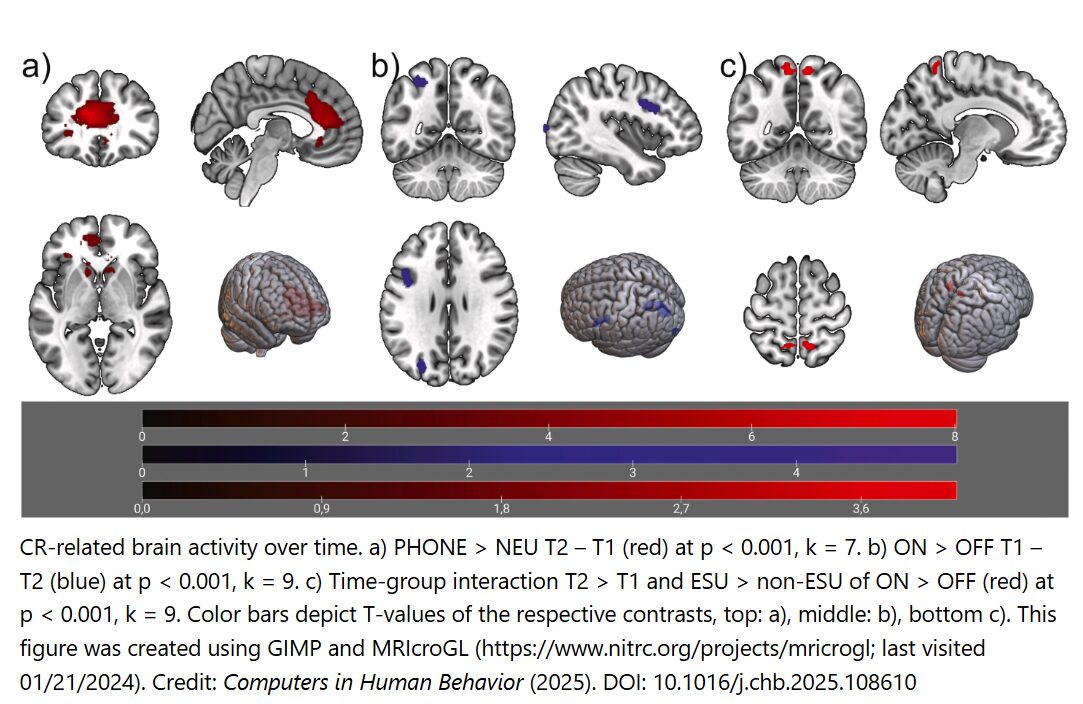
A smartphone’s glow is often the first and last thing we see as we wake up in the morning and go to sleep at the end of the day. It is increasingly becoming an extension of our body that we struggle to part with. In a recent study in Computers in Human Behavior, scientists observed that staying away from smartphones can even change one’s brain chemistry.

The researchers recruited young adults for a 72-hour smartphone restriction diet where they were asked to limit smartphone use to essential tasks such as work, daily activities, and communication with their family or significant others.

During these three days, the researchers conducted psychological tests and did brain scans using functional magnetic resonance imaging (fMRI) to examine the effects of restricting phone usage...

Read More

How cancer hijacks the immune system by draining T cells’ energy

elderly
Credit: CC0 Public Domain

Research into immunotherapy against cancer typically focuses on better recognition of cancer cells by the body’s own immune system. Researchers at Amsterdam UMC and Moffitt Cancer Center have taken a different approach.

They investigated how cancer affects the energy management of a patient’s T cells and showed for the first time that contact with chronic lymphocytic leukemia (CLL) cells leads to a serious energy crisis in these cells.

These findings are published in Cellular & Molecular Immunology, building on a publication in the Blood Journal.

CLL is the most common type of leukemia in the Western world and mainly affects the elderly. Despite new therapies, the disease remains incurable, and treatments are becoming increasingly expensive.

Some c...

Read More