Category Health/Medical

High Dietary Red Meat intake linked to Diverticulitis

Diverticulitis and it's complications

Diverticulitis and it’s complications

Replacing 1 daily portion with poultry or fish may lower risk, findings suggest. A high dietary intake of red meat, particularly of the unprocessed variety, is linked to a heightened risk of developing the common inflammatory bowel condition, diverticulitis, reveals research published online in the journal Gut. Diverticulitis occurs when the small pockets or bulges lining the intestine (diverticula) become inflamed. It is relatively common, accounting for >200,000 hospital admissions every year in the US at an annual cost of $US 2 billion.

New cases of the condition are on the rise, particularly among younger people...

Read More

New Genes Identified that Regulate the Spread of Cancers

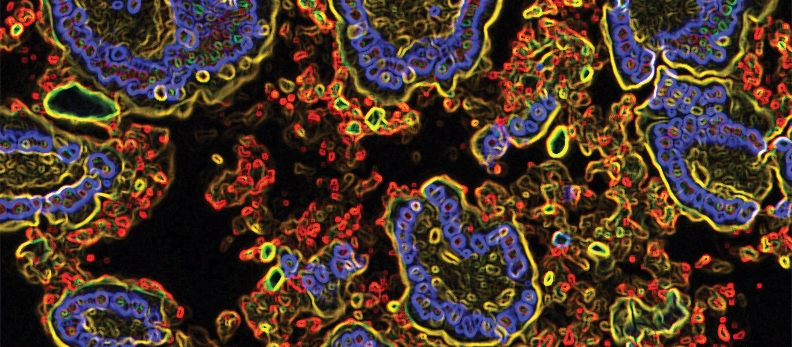
Targeting just one of the genes – known as Spns2 – led to a three-quarters reduction in the spread of skin cancer tumours, pictured under the microscope,, the experts found

Targeting just one of the genes – known as Spns2 – led to a three-quarters reduction in the spread of skin cancer tumours, pictured under the microscope,, the experts found

A new biological target for drugs to reduce the spread of tumours in cancer patients has been found by Wellcome Trust Sanger Institute. Published in Nature today, the study with genetically modified mice found 23 genes out of 810 unique genes that either increased or decreased the spread of skin tumour cells to the lungs. Many of these genes also caused an alteration in the immune system, such as changing the bodies’ ability to fight infection. The researchers showed that targeting one of these genes – Spns2 – led to a 3/4 reduction in tumour metastasis.

Removal of the Spns2 gene caused the largest change, reducing ...

Read More

Glia, Not Neurons, are most affected by Brain Aging

This graphic depicts the numbers and function of glia and neurons in the aging human brain.

This graphic depicts the numbers and function of glia and neurons in the aging human brain. NeuroscienceNews.com image is credited to Lilach Soreq.

The difference between an old brain and a young brain isn’t so much the number of neurons but the presence and function of supporting cells, glia. Researchers who examined postmortem brain samples from 480 individuals ranging in age from 16 to 106 found that the state of someone’s glia is so consistent through the years that it can be used to predict someone’s age. The work lays the foundation to better understand glia’s role in late-in-life brain disease.

“We extensively characterized aging-altered gene expression changes across 10 human brain regions and found that, in fact, glial cells experience bigger changes than neurons,” says Jernej Ule...

Read More

‘Housekeepers’ of the Brain Renew themselves more quickly than first thought

Microglia cells (green spider shapes). Credit: Image courtesy of University of Southampton

Microglia cells (green spider shapes). Credit: Image courtesy of University of Southampton

Cells in the brain responsible for detecting and fixing minor damage renew themselves more quickly than previously thought, new research has shown. A study, led by the University of Southampton shows that the turnover of Microglia, is 10X faster, allowing the whole population of Microglia cells to be renewed several times during a lifetime.

“Microglia are constantly scanning the brain to find and fix issues — you could call them the housekeepers of the brain,” said Dr Diego Gomez-Nicola, of the University of Southampton, who supervised the study. “We previously thought that microglia would renew themselves so slowly that a whole lifetime would not suffice to renew the whole population...

Read More