

As artificial intelligence and smart devices continue to evolve, machine vision is taking an increasingly pivotal role as a key enabler of modern technologies...
Read More

June 5, 2025,
 Biology/Biotechnology, Health/Medical
As artificial intelligence and smart devices continue to evolve, machine vision is taking an increasingly pivotal role as a key enabler of modern technologies...
Read More
June 2, 2025,
Health/Medical, Biology/Biotechnology
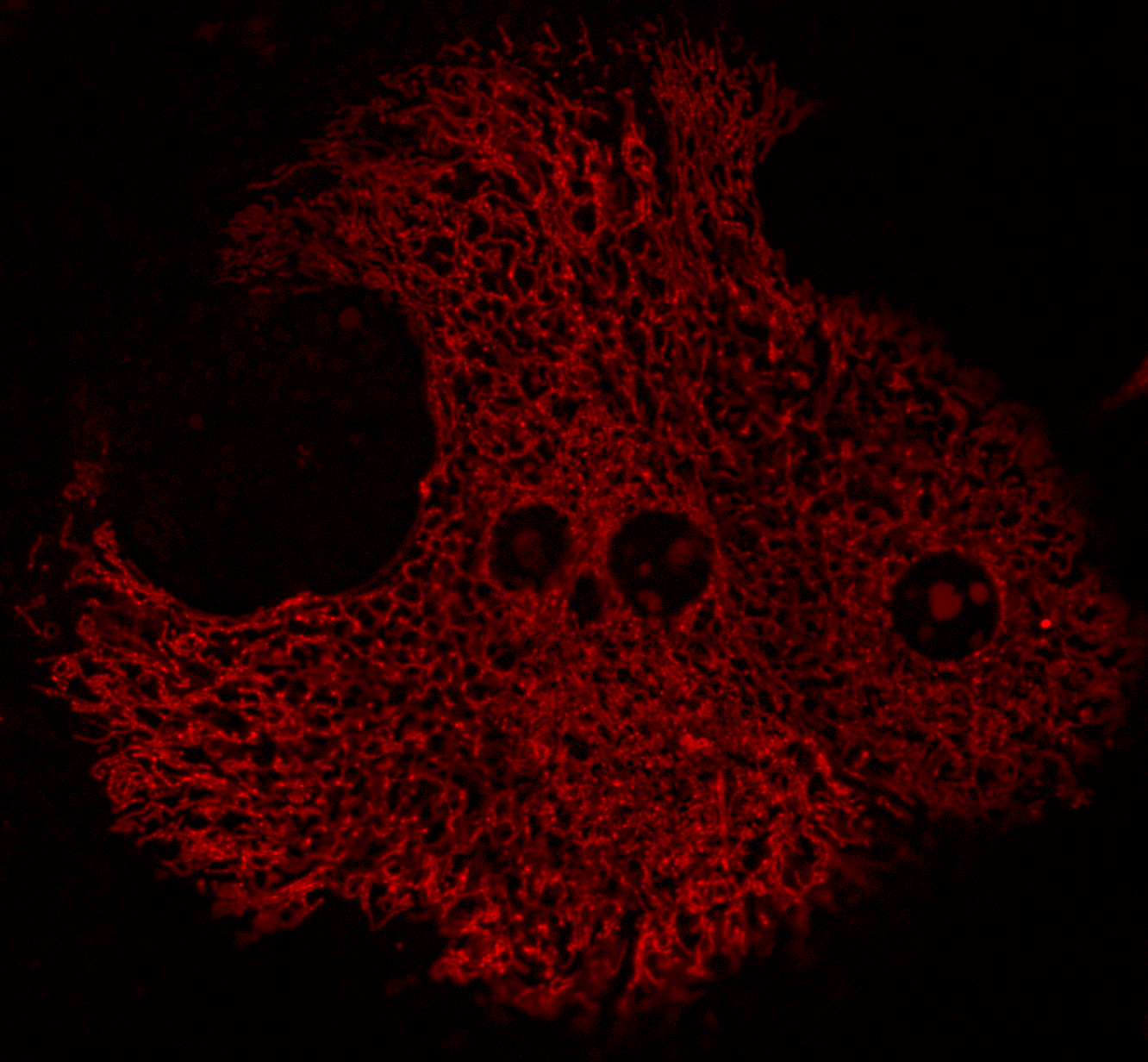
A newly discovered mechanism that leads to liver dysfunction may be a key factor in type 2 diabetes and other metabolic disorders in individuals with obesity, according to a new study led by Harvard T.H. Chan School of Public Health.
The dysfunction identified—dysregulated hepatic coenzyme Q metabolism—leads to excessive reactive oxygen species (ROS) produced by mitochondria at a single specific site in an enzyme called complex I. The researchers say the discovery offers a potential path for new, precise treatments for metabolic diseases.
“Our findings provide the first step toward solving a complex problem in the field of metabolic disease research that has stood for three decades,” said corresponding author Gökhan S...
Read More
June 2, 2025,
Health/Medical, Biology/Biotechnology
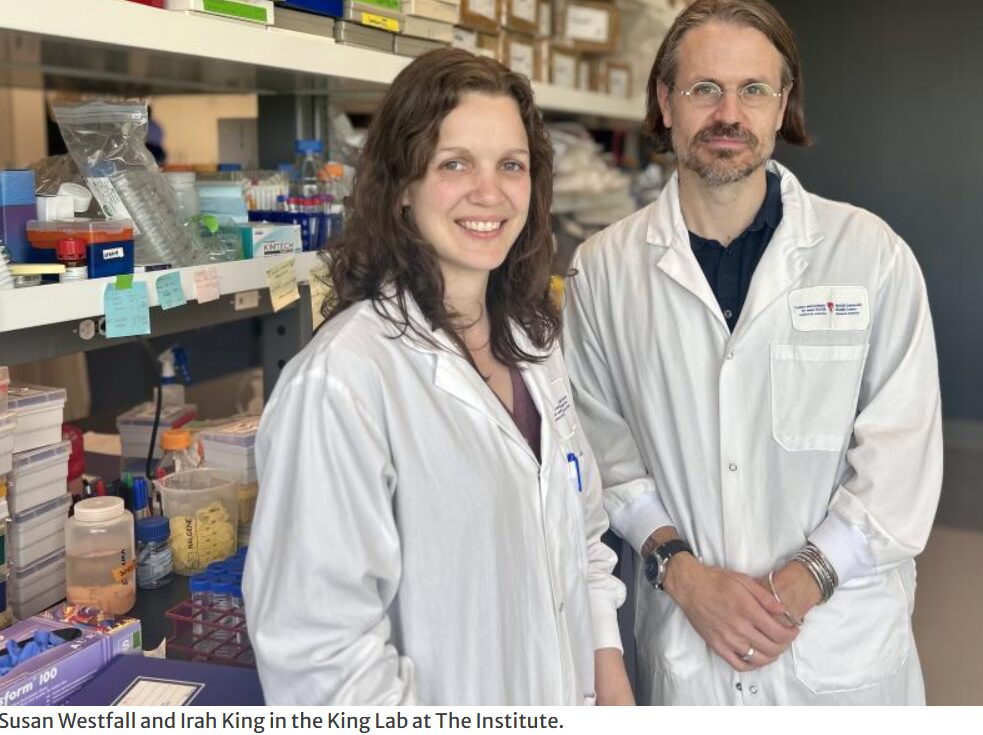
A team of scientists at the Research Institute of the McGill University Health Center (The Institute) has made a landmark discovery that sheds light on how the immune system protects the gut during infection. By studying intestinal worms—also known as helminths—the team, led by Professor Irah King, uncovered a previously unknown immune mechanism that preserves intestinal function in the presence of persistent infection.
Their finding, published in the journal Cell, could pave the way for new treatments for helminth infections, which affect over two billion people worldwide at some point in their lives, as well as for other intestinal diseases.
The results could also help revisit older therapeutic strategies that were previously dismissed due to an incomplete understanding of...
Read More
Caffeine is not only found in coffee, but also in tea, chocolate, energy drinks and many soft drinks, making it one of the most widely consumed psychoactive substances in the world.
In a study published in Communications Biology, a team of researchers from Université de Montréal shed new light on how caffeine can modify sleep and influence the brain’s recovery—both physical and cognitive—overnight.
The research was led by Philipp Thölke, a research trainee at UdeM’s Cognitive and Computational Neuroscience Laboratory (CoCo Lab), a...
Read More
Recent Comments