Category Health/Medical

Potential ‘Fountain of Youth’ Gene found

This is an atherosclerotic lesion. Such lesions can rupture and cause heart attacks and strokes. Credit: UVA School of Medicine

This is an atherosclerotic lesion. Such lesions can rupture and cause heart attacks and strokes. Credit: UVA School of Medicine

Gene helps prevent heart attack, stroke; may offer way to block effects of aging. A gene that scientific dogma insists is inactive in adults actually plays a vital role in preventing the underlying cause of most heart attacks and strokes, researchers at the Uni of Virginia School of Medicine have determined. “Finding a way to augment the expression of this gene in adult cells may have profound implications for promoting health and possibly reversing some of the detrimental effects with aging,” said Gary K. Owens, PhD, director of UVA’s Robert M. Berne Cardiovascular Research Center.

The gene, Oct4, plays a key role in the development of all living organisms, but s...

Read More

Converting Cells to Burn Fat, not Store it

Beige fat created from white fat by cold activation

Beige fat created from white fat by cold activation

Discovery could help fight obesity, metabolic disorders. Researchers have uncovered a new molecular pathway for stimulating the body to burn fat – a discovery that could help fight obesity, diabetes and cardiovascular disease. A McGill University team focused on a protein, folliculin and its role in regulating the activity of fat cells. By knocking out the gene that produces folliculin in fat cells in mice, the researchers triggered a series of biomolecular signals that switched the cells from storing fat to burning it.

This process is known as the ‘browning’ of fat cells. Brown fat gets its colour from iron-rich mitochondria, an abundance of which is a sign that a cell is in metabolic overdrive...

Read More

E coli ‘Anchors’ provide novel way to Hijack Superbugs

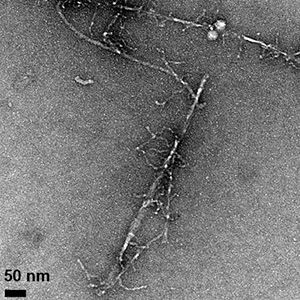
type 1 and P fimbriae of uropathogenic Escherichia coli, the major causative agent of urinary tract infections in humans.

type 1 and P fimbriae of uropathogenic Escherichia coli, the major causative agent of urinary tract infections in humans.

A way has been found to stop deadly bacteria from infecting patients. The discovery could lead to a whole new way of treating antibiotic-resistant ‘superbugs’. The Austalian researchers have uncovered what may be an Achilles heel on the bacteria cell membrane that could act as a potential novel drug target. Almost every second woman suffers from a urinary tract infection, UTI during her lifetime, mostly caused by E. coli. It travels along the urethra to the bladder where it triggers painful infections.

In order to infect the bladder (which is constantly being flushed out with urine), the bacteria have developed nanofilaments which effectively anchor the bacteria to the ...

Read More

Brain Cells that Aid Appetite Control Identified

Pharmacological and genetic ablation of NG2-glia, but not microglia, leads to obesity •NG2-glial ablation causes LepR processes in the median eminence to degenerate •Arcuate nucleus LepR neurons lose responsiveness to leptin after NG2-glia ablation •X-irradiation aimed at the median eminence is sufficient for weight gain induction

Pharmacological and genetic ablation of NG2-glia, but not microglia, leads to obesity •NG2-glial ablation causes LepR processes in the median eminence to degenerate •Arcuate nucleus LepR neurons lose responsiveness to leptin after NG2-glia ablation •X-irradiation aimed at the median eminence is sufficient for weight gain induction

Discovery opens door to development of new drugs to control weight gain and obesity. 4 years ago, Kokoeva and her team set out to explore which brain cells might play a role in the process of leptin sensing and weight gain. The answer, it turns out, lies in the median eminence, a brain structure at the base of the hypothalamus.

The McGill team has now discovered that without NG2-glia cells in place in the median eminence, the leptin receptors in the brain n...

Read More